Events
-
-
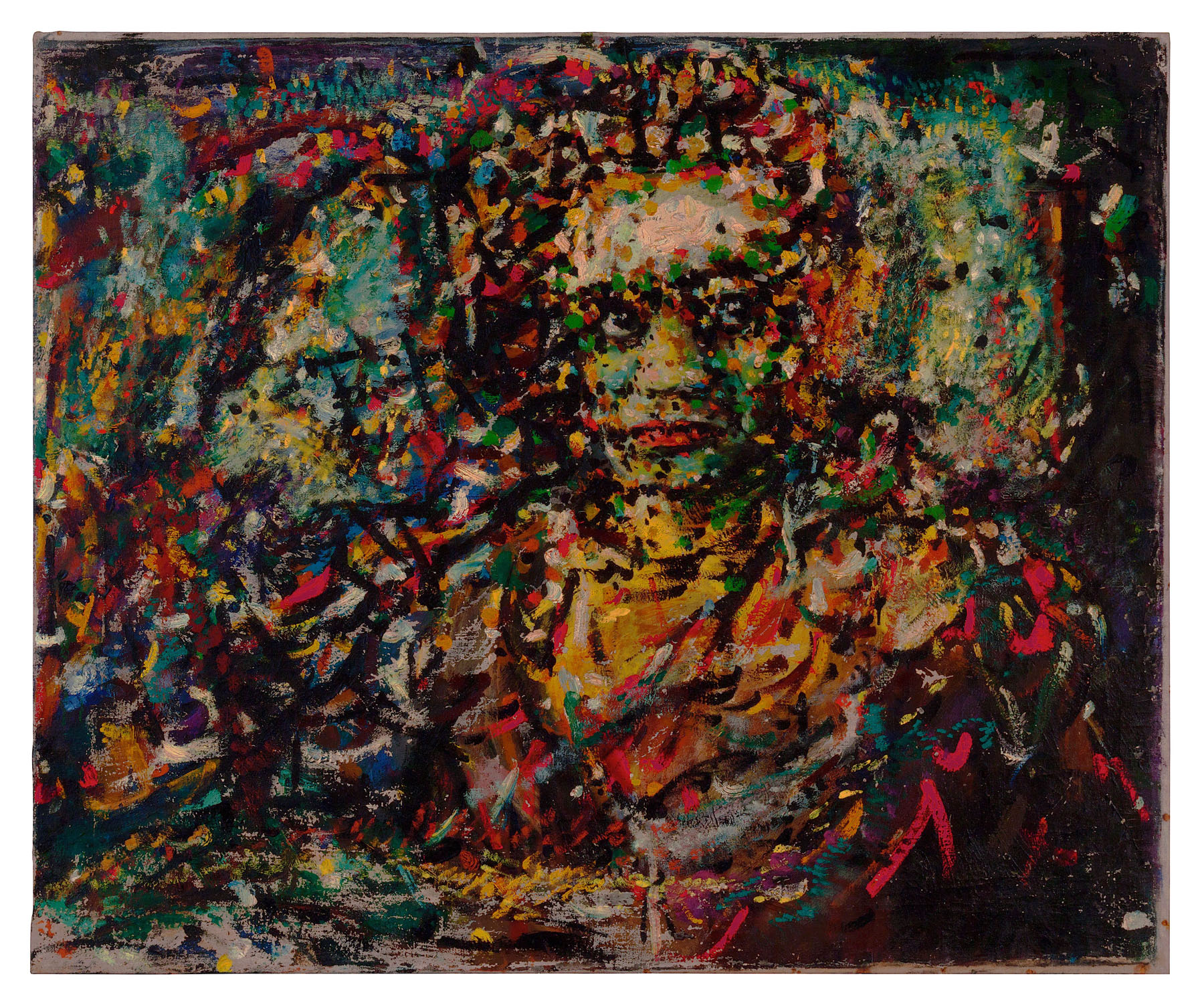
“Fritz Ascher: Themes and Variations”
A Digital Exhibition Experience
This digital exhibition includes important examples from the oeuvre of the German Jewish Expressionist artist Fritz Ascher (1893-1970). Ascher’s career extended from prior to the First World War until the late 1960s. However, Ascher’s artistic trajectory was interrupted due to persecution under National Socialism, and he spent much of the Second World War in hiding, concealed in a family friend’s basement. Ascher’s work consequently encompasses both the vibrant artistic scene in early-20th-century Germany, as well as the trauma and aesthetic shifts consequent of Ascher’s persecution and deprivations during the twelve years of the Nazi regime. These selected works are representative not only of critical moments in Ascher’s personal and artistic development, but also of key themes that occupied Ascher’s [...]
-
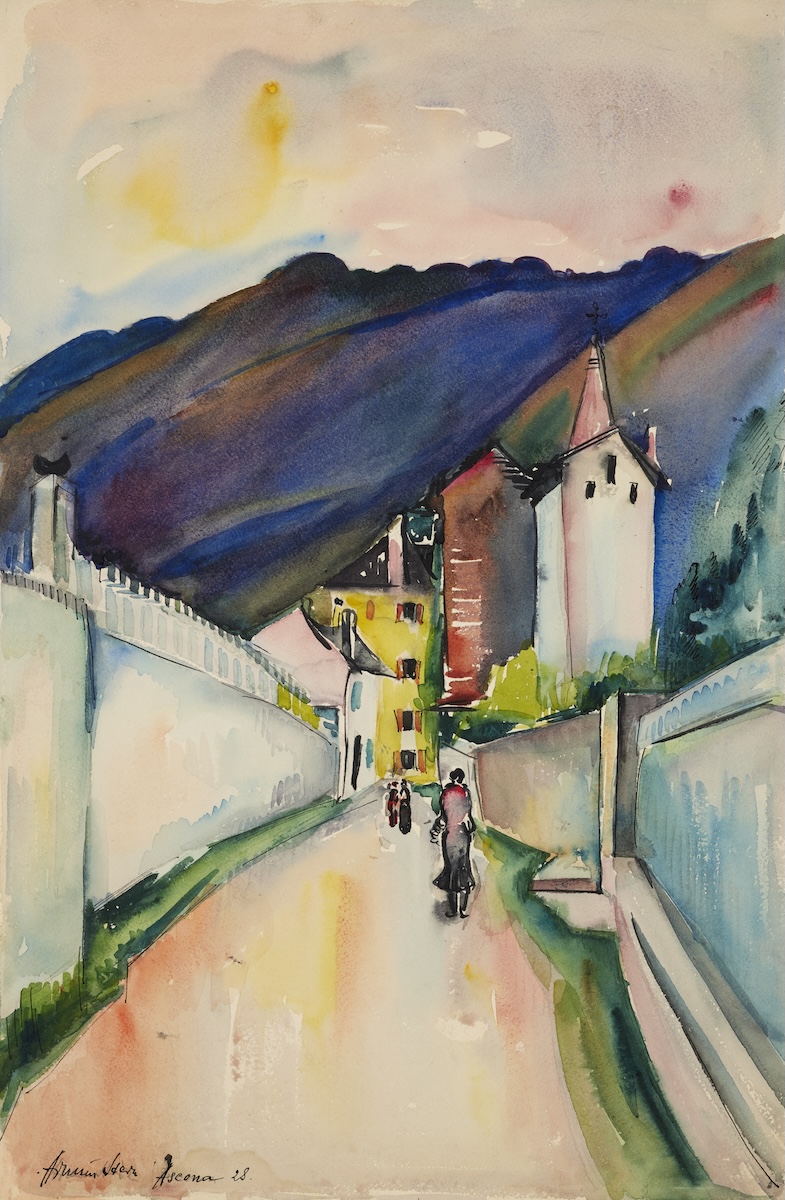
Armin Stern. Journeys and Escapes
Presentation by Erik Riedel, Frankfurt a.M. (Germany)ONLINE VA, United StatesThe artist Armin Stern (1883–1944), born near Pressburg (now Bratislava), moved to Frankfurt in 1900 to study painting. Despite numerous travels and periods of study in Paris, Brittany, the Netherlands, and Ticino, Frankfurt remained the center of his life. After being excluded from an exhibition at the Frankfurt Kunstverein in 1933 because he was a "non-Aryan artist," he relocated with his family to Bratislava, which had by then become part of Czechoslovakia. Image above: Armin Stern, Ascona, 1928. Watercolor. Donated by the descendants of Armin Stern. Jewish Museum Frankfurt REGISTER HERE Armin Stern, Self-Portrait at the Easel, ca. 1930. Oil on painting board. Donated by the descendants of Armin Stern. Jewish [...]
Free -
-
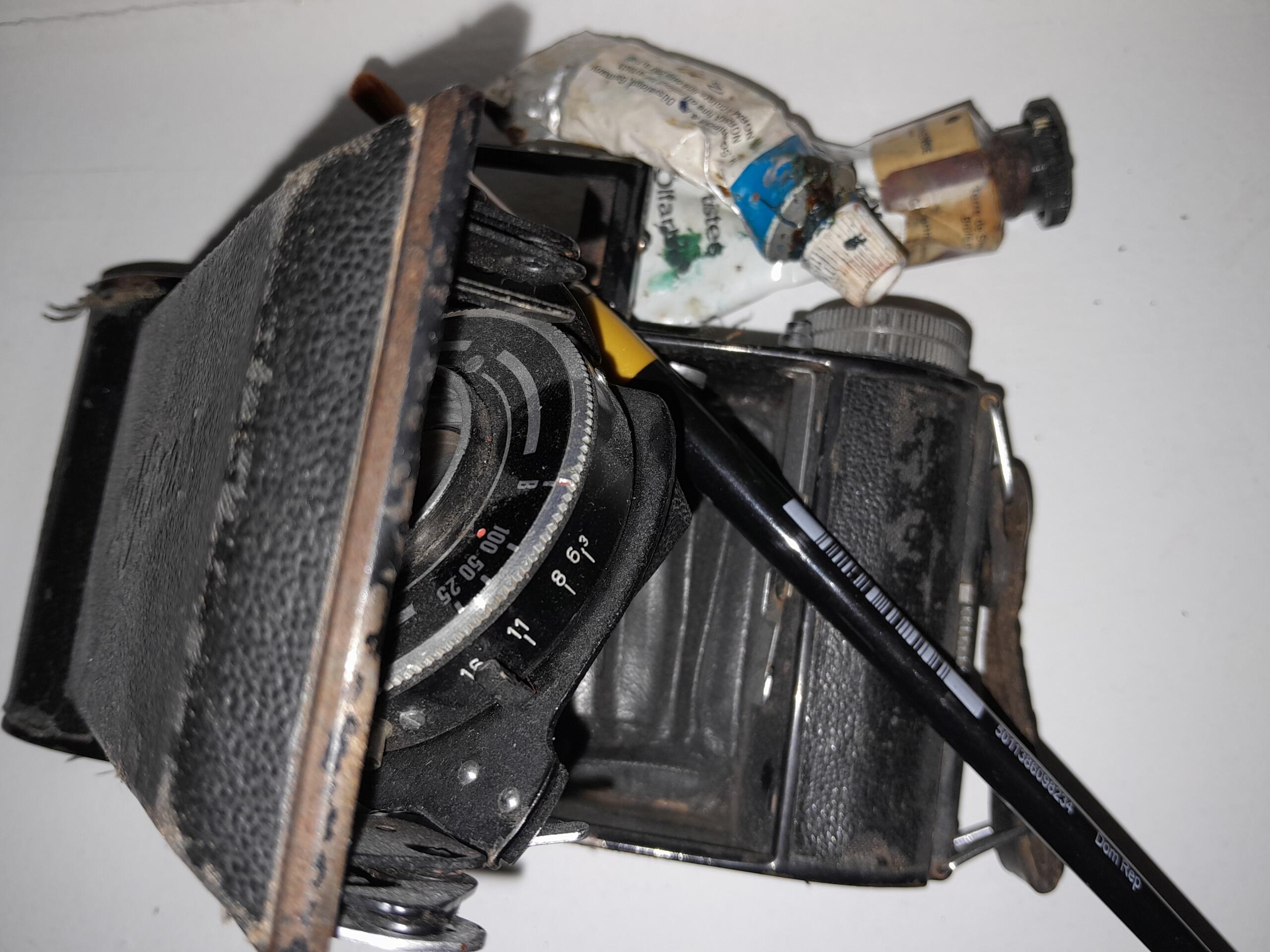
Understanding Past Realities of the Holocaust.
Photography versus Art
With Dr. Christoph Kreutzmüller (Berlin) and Dr. Rachel Perry (Boston)ONLINE VA, United StatesTo mark the November Pogrom of 1938 (euphemistically called "Kristallnacht"), a discussion, "Understanding Past Realities of the Holocaust: Photography versus Art" will take place on 4 November 2026. Historians Dr Christoph Kreutzmüller and Dr Rachel Perry examine how photography and art depicted the Nazi state-orchestrated campaign of terror perpetrated against Jewish men, women and children across Germany, Austria and the Sudetenland from 9 to 10 November 1938 (the November Pogrom). The historians ask what photography and art reveal about the lived realities of the victims of the Pogrom, the interactions surrounding the violence and the broader society in which the violence was perpetrated. The event will be live-streamed and recorded. Questions can be submitted through this form. The discussion [...]
Free -
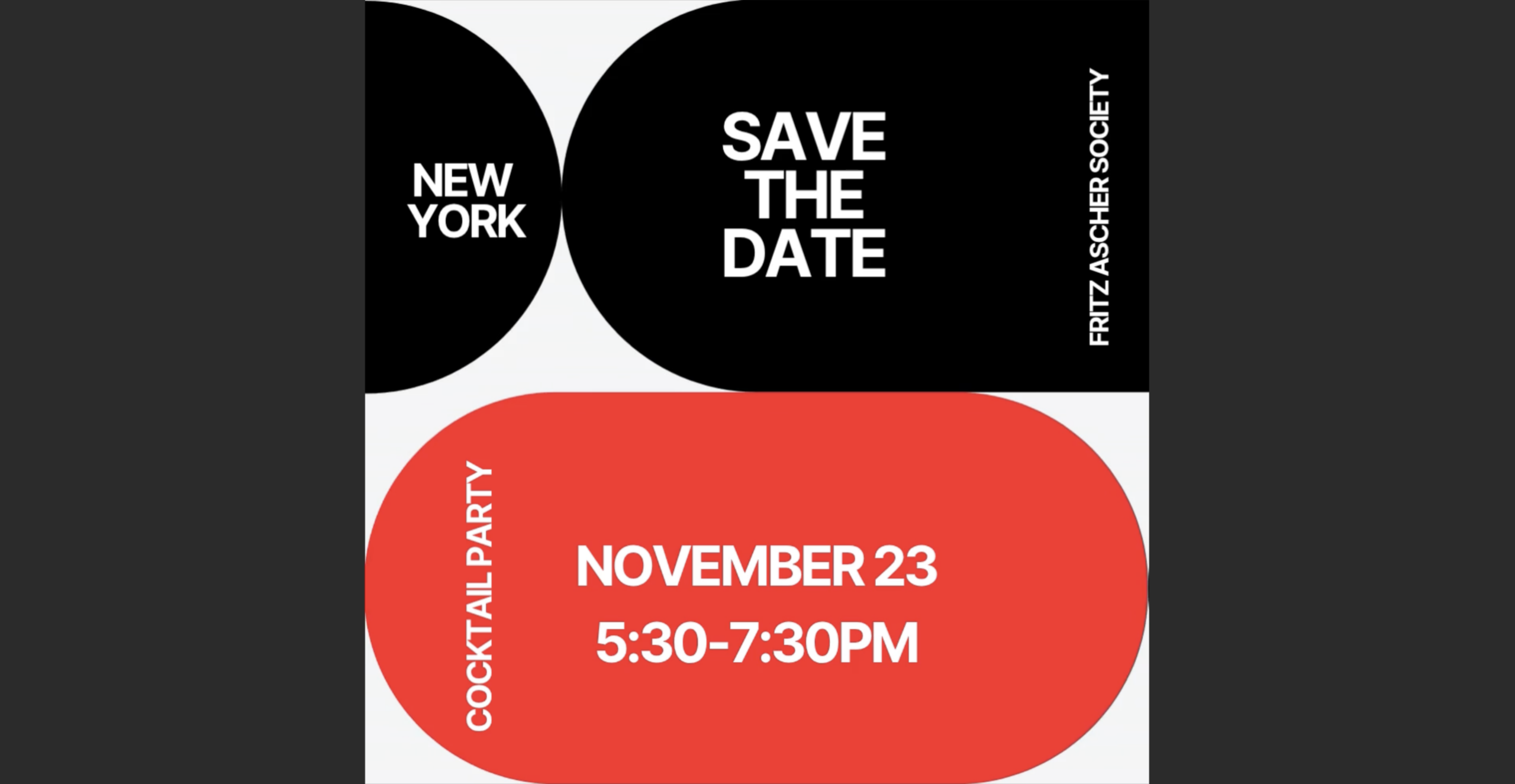
Cocktail Reception
benefiting the Fritz Ascher Society
at the home of Gary Zimmerman
Central Park South, NYCLocation provided upon registration New York, NY, United StatesJoin us for a cocktail reception at the home of Gary Zimmerman on Central Park South in NYC benefitting the Fritz Ascher Society for Persecuted, Ostracized and Banned Art and celebrating art treasures and their stories buried by Authoritarian regimes. Event Chair: Carol Prendergast Keynote Speaker: Bella Meyer Chagall's Granddaughter A Migrant's Legacy - Marc Chagall's Response Event committee (in formation): Betty Ehrenberg Cheryl Fishbein Janet Heit Patti Kenner Sam Konig Carol Lipsky Ilona Oltuski Steven Orlikoff Ian Shapolsky Ori Z Soltes Rachel Stern REGISTRATION OPENING SOON
$360.00