Events
-
-
WHAT IF?
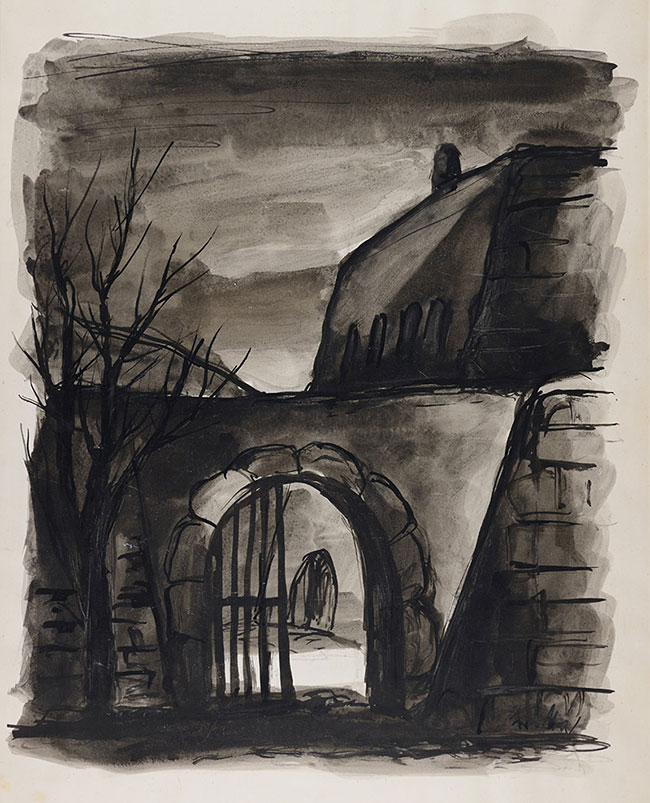
Presentation by Ori Z Soltes, PhD, Washington, DCONLINE VA, United StatesThis image-rich talk by Georgetown University professor Ori Z Soltes considers some of the many Jewish artists destroyed by the Holocaust who had either begun or were poised to add significant threads to the tapestry of twentieth century visual art. Some are now well-known and others remain obscure—but what if artists like Charlotte Salomon and Felix Nussbaum or like Erna Dem and Fritz Taussig had survived to do more art? What additional significant contributions might they have made? Image above: Bedřich Fritta (Friedrich Taussig), Rear Entrance, Theresienstadt Ghetto, 1941–1944. India ink and wash on paper, 51 x 36.5 cm Collection of the Yad Vashem Art Museum, Jerusalem. Gift of the Prague Committee for Documentation, courtesy of Ze'ev and Alisa Shek, [...]
Free -
-
The Three Exiles of the German-born artist Samson Schames (1898-1967)
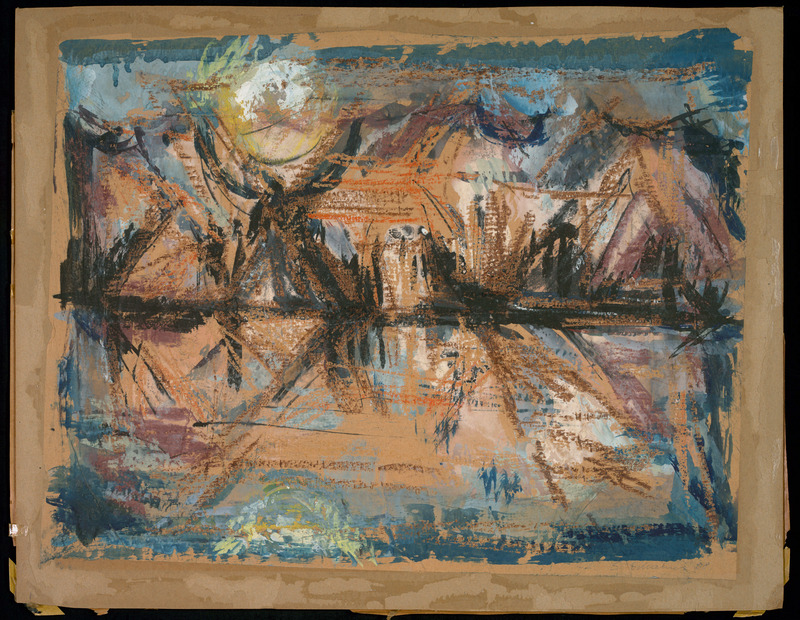
Conversation with Annika Friedman (Germany), Rachel Dickson, PhD (UK) and Ori Z Soltes, PhD (USA)ONLINE VA, United StatesIn this virtual event, a transatlantic panel discusses the artist Samson Schames. Annika Friedman (Germany) elaborates on the artist’s beginnings in Frankfurt, Rachel Dickson, PhD (UK) gives an insight into the work he made in British exile, and Ori Z. Soltes, PhD (USA) speaks about the work he created in his new home, New York. The presentations are followed by a moderated discussion and Q&A. Image above: Samson Schames, Granite Quarry No. 1, 1958. Casein on board, 20.75 in. x 26.25 in. Leo Baeck Institute New York 2007.97 Samson Schames was a German-Jewish artist born in 1898 in Frankfurt am Main, Germany, into a prominent Jewish family involved in the textile business. He initially trained [...]
Free -
-
Theodore Fried (1902-1980): In Hiding and Beyond
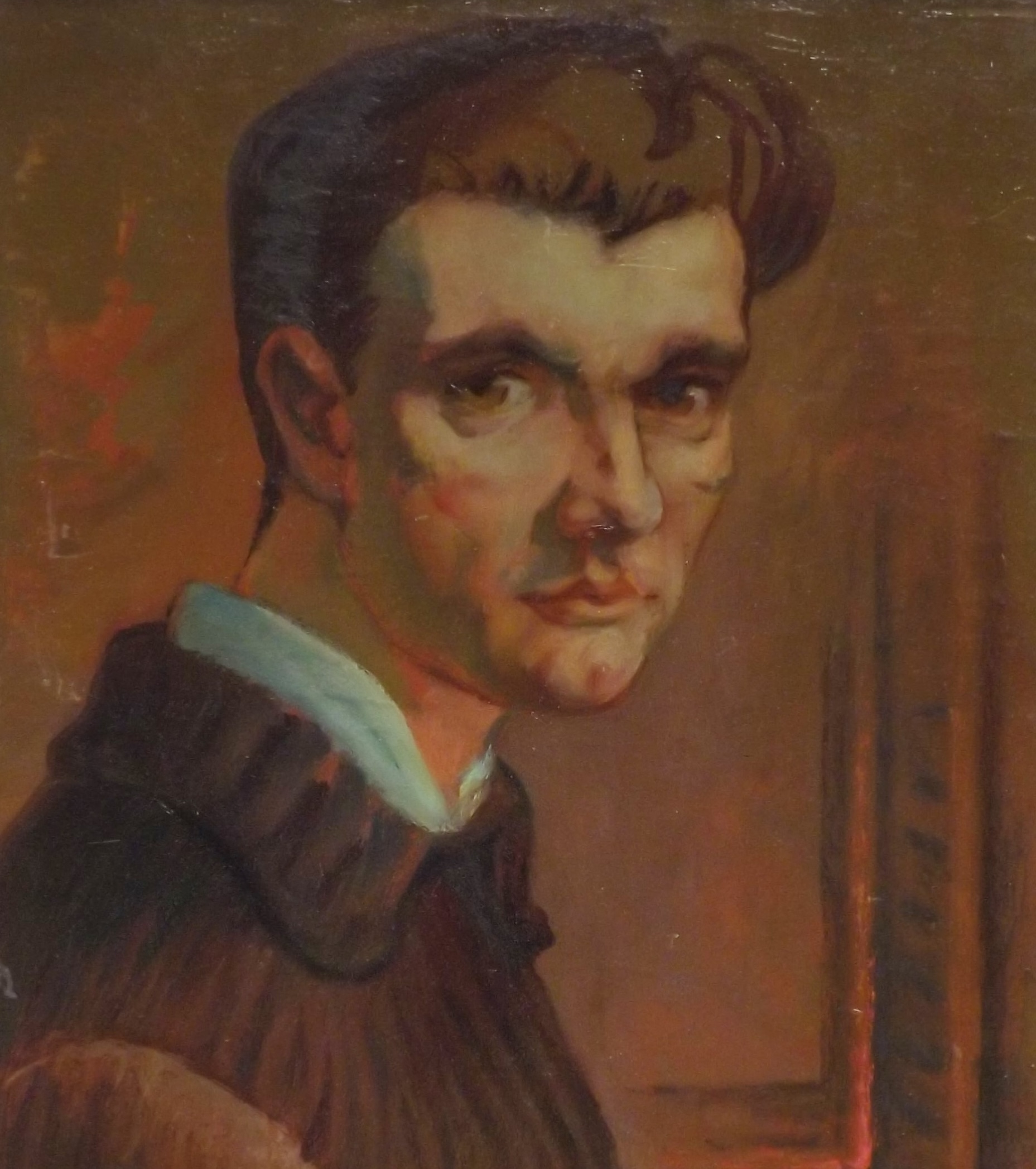
Presentation by Sofia Thornblad, Tulsa (OK)ONLINE VA, United StatesThis presentation explores the historical background and creative works of Hungarian-born Jewish artist Theodore Fried (1902-1980). He was educated at the Budapest Academy of Fine Arts and moved to Vienna in 1924 and to Paris in 1925. He met and married his first wife Anna and his son Christopher was born in 1928. That same year, the artist had his first one-man show, and was included in important shows in Vienna, Prague, Berlin, and Paris. Image above: Detail of Theodore Fried, Self Portrait, 1938. Oil on canvas. Sherwin Miller Museum of Jewish Art, Tulsa (OK) When the Nazis came to power in 1933, Fried’s work was labeled as “degenerate”. He fled with [...]
Free -
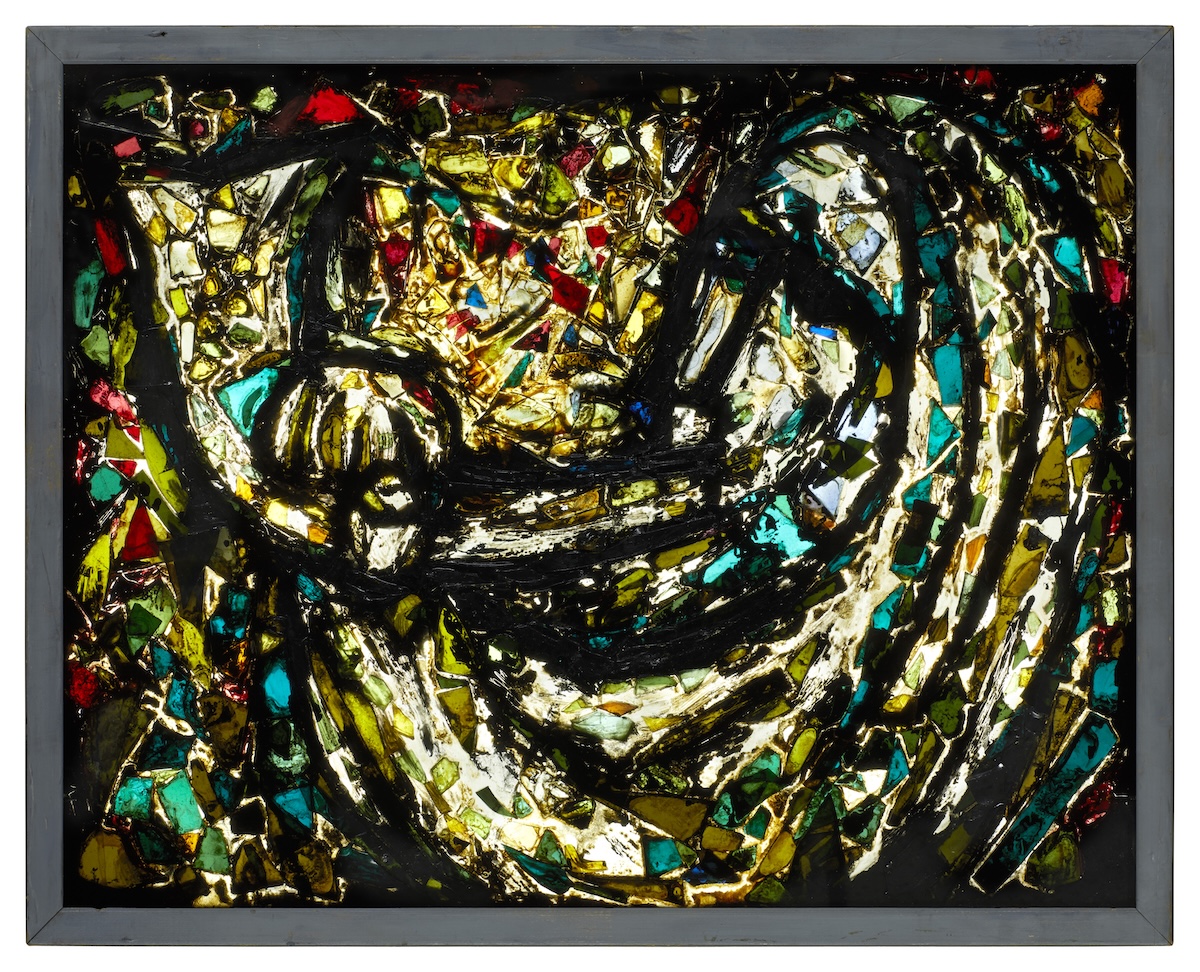
Samson Schames (1898-1967): Family and Friends
Conversation with Natalie Green Giles, James McCaffrey and Charlie Scheidt.
Moderated by William WeitzerONLINE VA, United StatesIn this virtual event, a distinguished panel comprising family members, friends, and their descendants from New York share memories of the German-born artist Samson Schames (1898-1967). His work, which blends modernist aesthetics with spiritual and historical depth, is recognized for its innovative technique and poignant reflections on exile, memory, and identity. Born in Frankfurt am Main, Germany, he fled Nazi persecution to England in 1939 and later emigrated to the United States with his future wife, Edith, in 1948 and 1947. Image above: Samson Schames, Blowing the Shofar, c. 1956. Shards of glass, polychrome, layered in relief, 25.4 x 29.7 in. (64.5 x 75.5 cm). Jewish Museum Frankfurt A short film created [...]
Free -
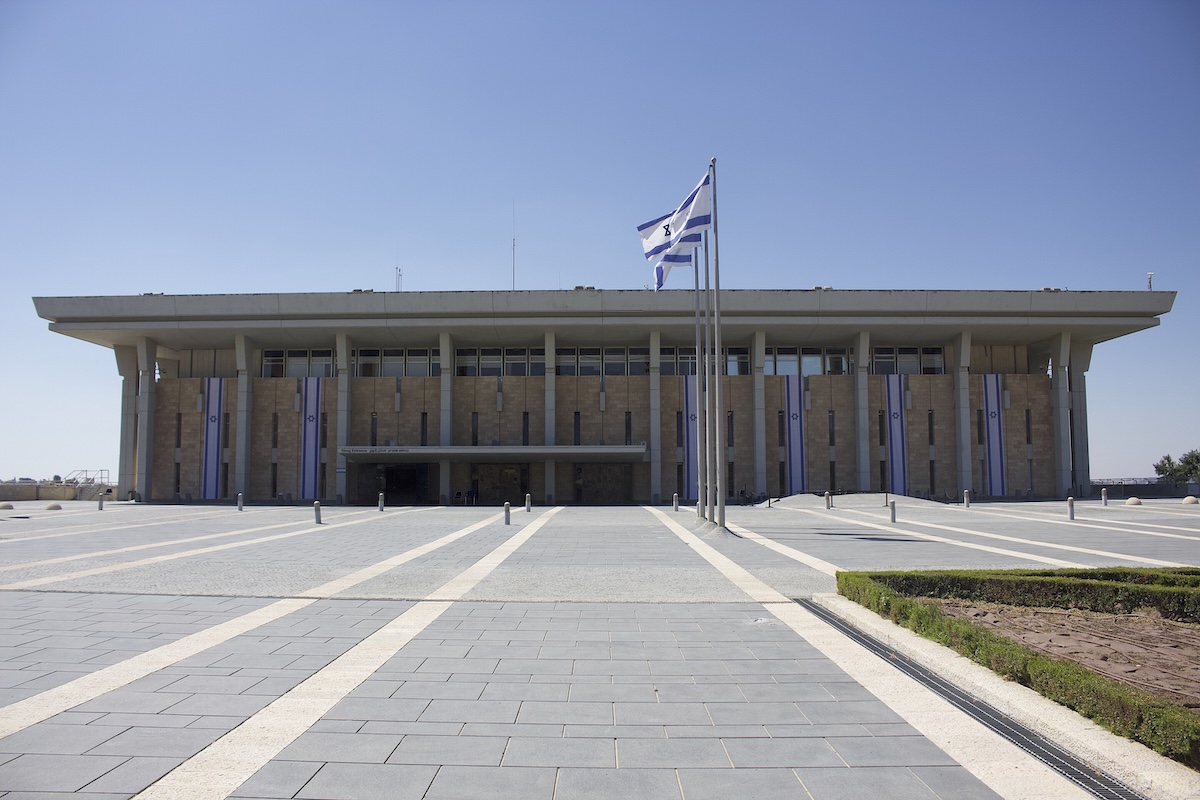
Ossip Klarwein (1893-1970): an Architect’s Journey from Berlin to Jerusalem
Presentation by Jacqueline Hénard, Berlin (Germany)ONLINE VA, United StatesIn this virtual event, Jacqueline Hénard speaks about the architect Ossip (also: Joseph) Klarwein (1893-1970), a pioneer of the avant-garde, whose works – including iconic buildings such as the church at Hohenzollernplatz in Berlin and the Knesset in Jerusalem – built bridges between expressionist tradition and radical modernism. Image above: Ossip Klarwein, Knesset in Jerusalem (Israeli parliament). Photo front side, 2022. Wikimedia Commons Clema12, CC BY-SA 4.0 Ossip Klarwein was born in 1893 in Warsaw. Due to pogroms in the collapsing Russian Empire, he emigrated with his parents and siblings to Hesse in 1905. Klarwein became an architect, with professional focuses in Berlin and Hamburg. In 1924, he married Martha Elsa Kumme, a Protestant opera singer. They had a son, Matthias. [...]
Free -
-
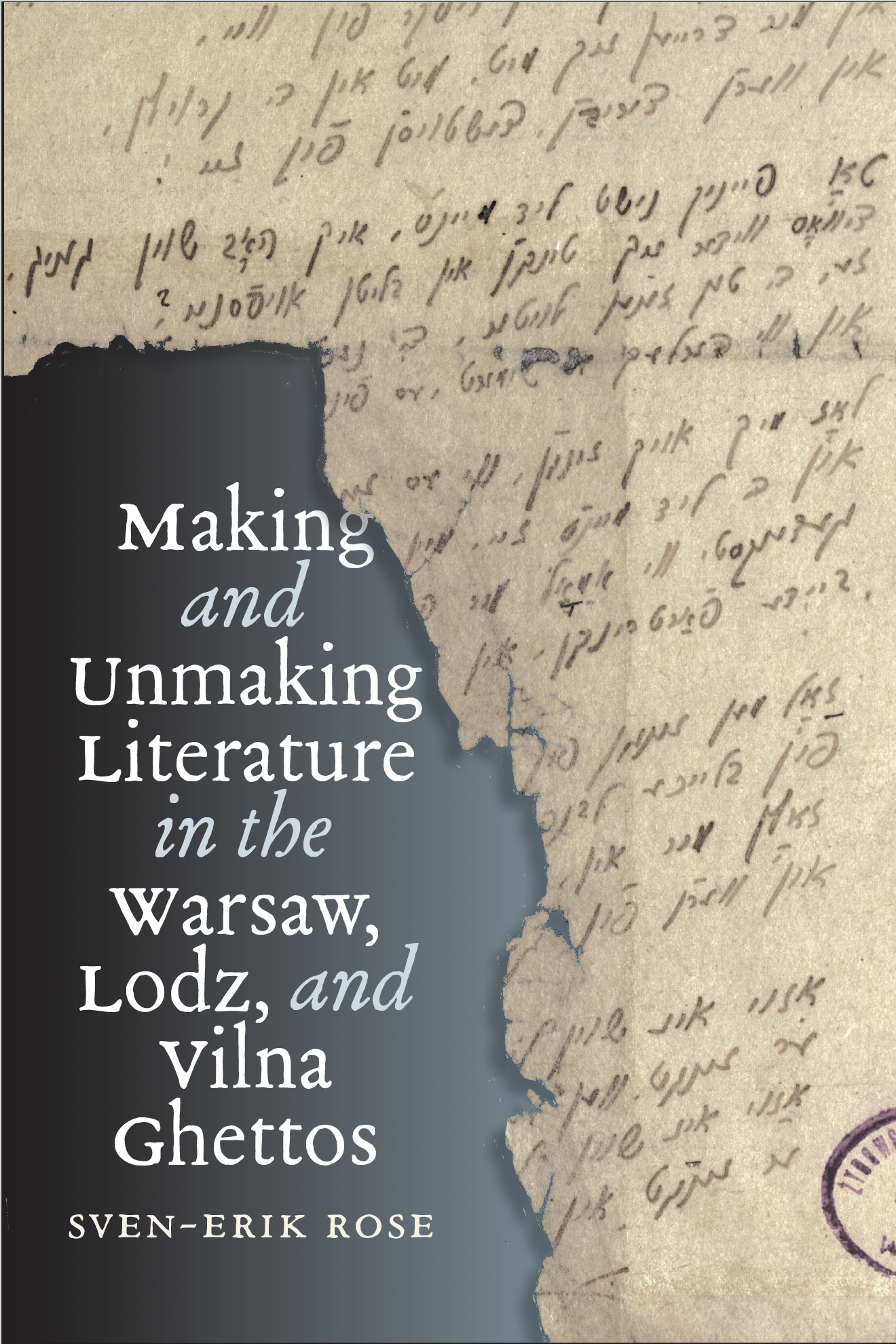
Making and Unmaking Literature in the Warsaw, Lodz, and Vilna Ghettos
Book talk by Sven-Erik Rose, Davis, CAONLINE VA, United StatesIn this book talk, author Sven-Erik Rose speaks about his study of literature written by Jewish authors while interned in Nazi ghettos. His book attends to how authors processed their horrific experiences through poetry and prose. This is the first study devoted to how little known but essential authors grappled with the destitution of ghetto existence by writing within, at the limits of, and against an array of literary scenarios, tropes, plot lines, and generic conventions, including those of nature lyric, modernist interior monologue, the realist social novel, the detective story, and the Gothic horror tale. Contending with starvation, disease, desperate housing conditions and the looming threat of being murdered, inhabitants [...]
Free -
-
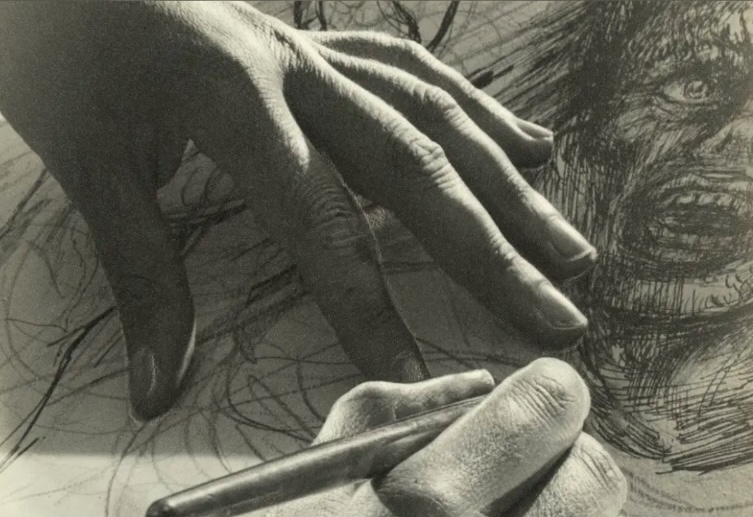
Who Will Draw Our History?
Women’s Graphic Narratives of the Holocaust, 1944-1949
Presentation by Rachel Perry, PhDONLINE VA, United StatesIn this talk, art historian and curator Rachel Perry discusses ten graphic narratives of their experiences of Nazi persecution created by women immediately after liberation. Lacking photographs of what they witnessed and endured, these "first responders" used visual storytelling to counter perpetrator and liberator sources and represent maternal loss, sexual violence, forced labor, and bodily trauma—experiences rarely recorded in canonical Holocaust testimony. Drawing on archives across Europe, Israel, and the United States, this talk recovers marginalized stories that predate Art Spiegelman's Maus by decades. Featured Artists: Lea Grundig (1906-1977), Luba Krugman Gurdus (1914-2011), Mária Turán Hacker (1886-1967), Edit Bán Kiss (1905-1966), Regina Lichter-Liron (1920-1995), Ella Liebermann-Shiber (1927-1998), Ágnes Lukács (1920-2016), Zsuza Merényi (1925-1990), [...]
Free -
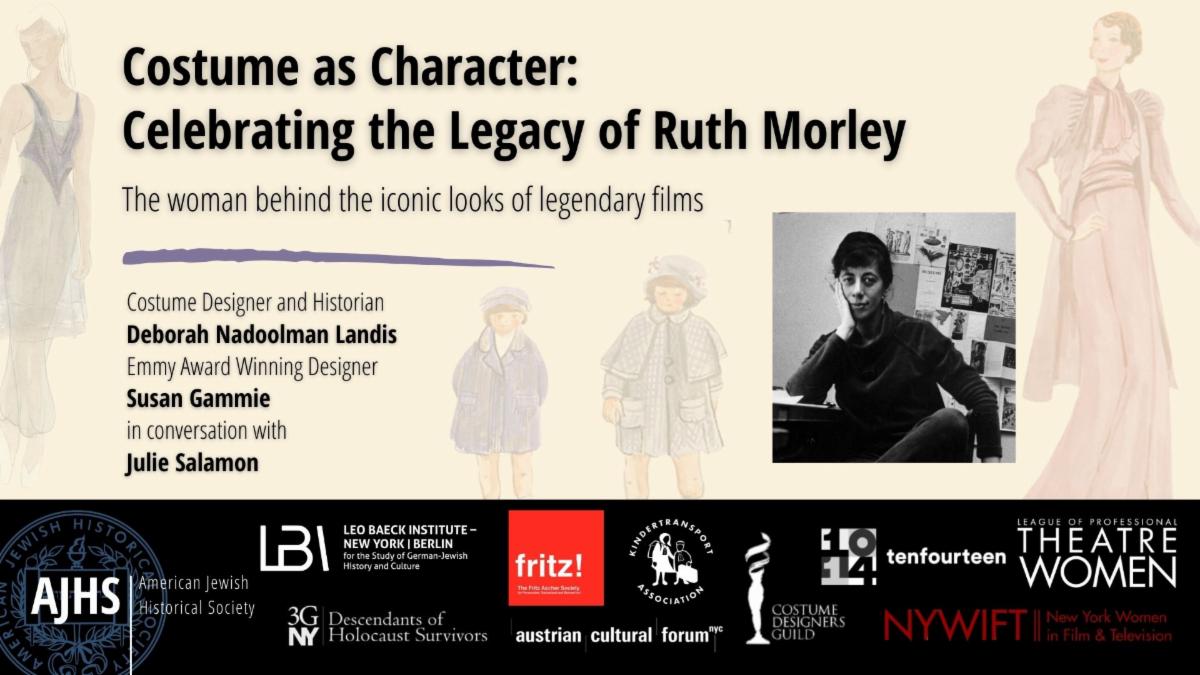
Costume as Character:
Celebrating the Legacy of Ruth Morley
Center for Jewish History
15 West 16th Street, New York, NYCenter for Jewish History 15 West 16th Street, New York, NY, United StatesCostume designer Ruth Morley was behind the iconic looks of several characters now considered legendary in cinema history. A Kindertransport child refugee from Vienna, in the 1950s she studied under German-American painter Hans Hofmann and went on to design costumes for opera and ballet before moving into theater, film and television. Her work can be seen in such iconic films as The Hustler (1961), The Miracle Worker (1962, Academy Award nomination), Taxi Driver (1976), Annie Hall (1977), Kramer vs Kramer (1979), One from the Heart (1981), The Chosen (1981), Tootsie (1982, BAFTA nomination) and Ghost (1990). In the 1980’s she began teaching and mentoring costume design graduate students at Brandeis and NYU. Join panelists Deborah Nadoolman Landis (Costume Designer and Distinguished Professor at UCLA’s School of Theater, Film and Television, Founding [...]
$10.00 -
Jewish Emigré Artists, from Albers to Hesse
Presentations by Ori Z. Soltes
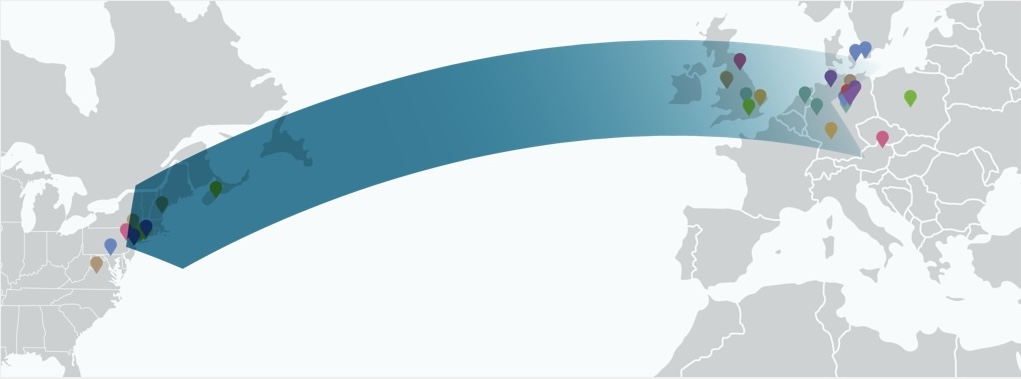
Online Roundtable by the 92nd Street Y in three partsONLINE VA, United StatesThis class with acclaimed professor Ori Z. Soltes will consider the lives of eight major Jewish artists of the 20th century, and will discuss their experiences migrating under duress just before, during, or after the Holocaust. From Fritz Ascher to Anni Albers to Eva Hesse, we’ll learn about how these great artists fled, adapted, and survived through the 20th century and went on to create powerful works of art that we still recognize today. REGISTER HERE Session 1: March 13 Immigration and Art from One Generation to Another We'll begin with brief discussions of Ben Shahn and Raphael Soyer, then focus primarily on Fritz Ascher and Rudi Lesser, before concluding with Michael Iofin and David Stern. [...]
$138.00 -
The Third Generation.
‘So are these the footsteps of my grandmother or my own?’
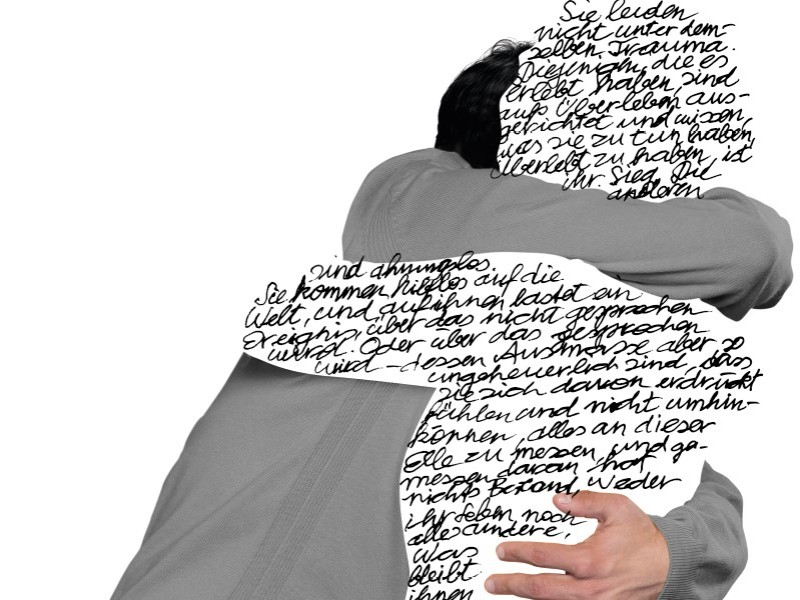
Presentation by Sabine Apostolo, Vienna (Austria)ONLINE VA, United StatesCurator Sabine Apostolo gives a virtual tour through the internationally traveling exhibition “The Third Generation. The Holocaust in Family Memory”, which was developed by the Jewish Museum Vienna. Image above: Die Dritte Generation Titel, Zitat: Cécile Wajsbrot, Mémorial, Göttingen 2023, 87 © JMW / Drahtzieher Design & Kommunikation Eighty years after the Holocaust, the last eyewitnesses are dying. Their stories, but also their trauma, have been passed on to their children and grandchildren. While the Second Generation grew up as direct observers of their parents’ psychological and physical damage, the Third Generation can look with greater distance at the family histories, in which memories and silence, family myths and secrets, and overwhelming or missing family [...]
Free