
Newish and Jewish from Europe:
Refugees, Survivors and the Spread of Modernism
Presentation by Samuel D. Gruber
September 30, 2026 @ 12:00 pm - 1:00 pm
| FreeThe architecture of the American Jewish community was transformed following World War II by émigré and refugee architects engaged to design synagogues and Jewish Community Centers.
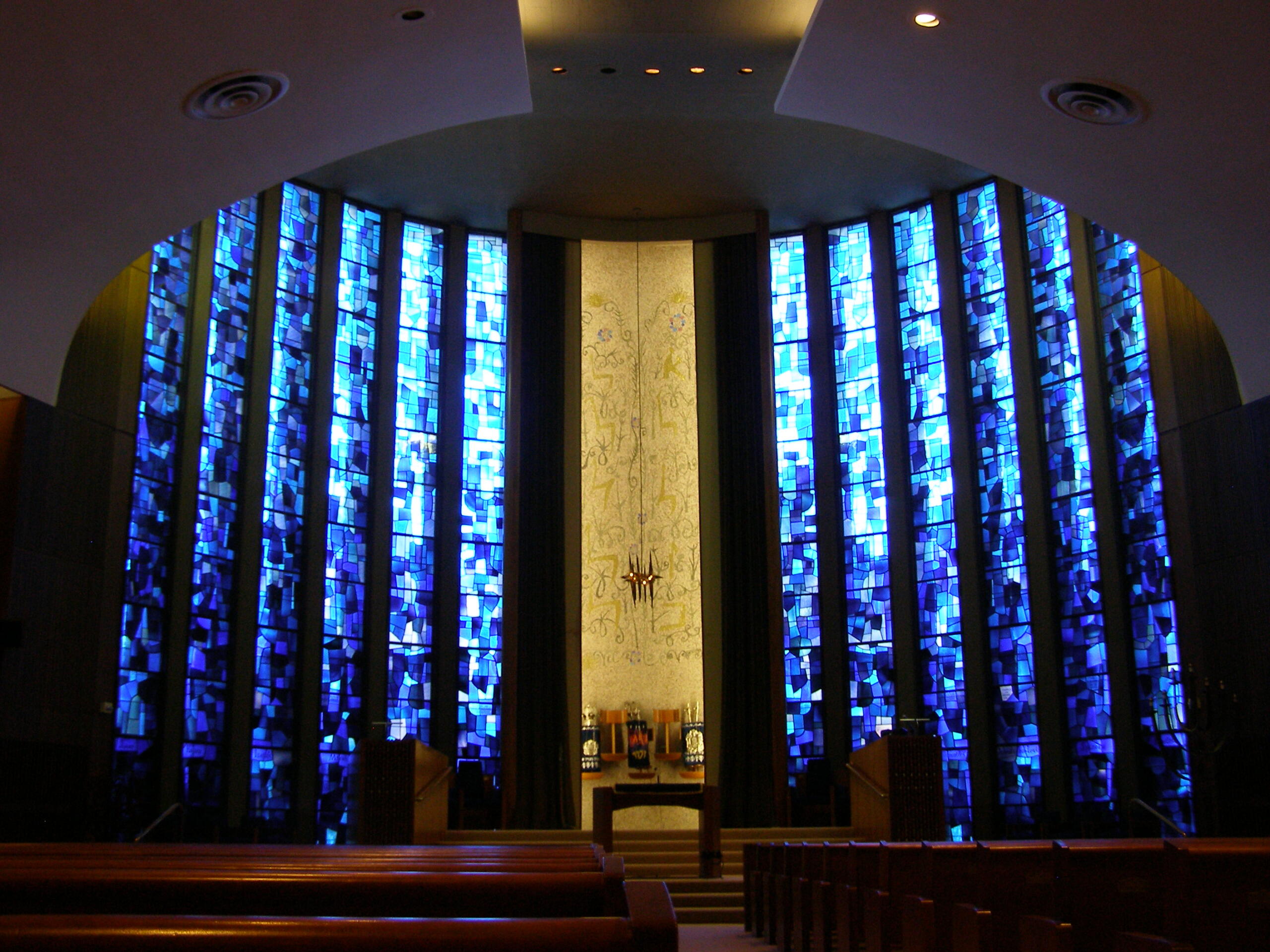
Image above: Hamden, CT, Mishkan Israel sanctuary, photo S. Gruber, 2011. Architects: Fritz Nathan and Bertram Bassuk, Ark: Ben Shahn, Stained Glass: Robert Pinart and Jean-Jacques Duval
Eric Mendelsohn’s synagogues for St. Louis, Cleveland and elsewhere are well known but the work of Fritz Nathan, Mendelsohn’s German-Jewish contemporary, is virtually forgotten.
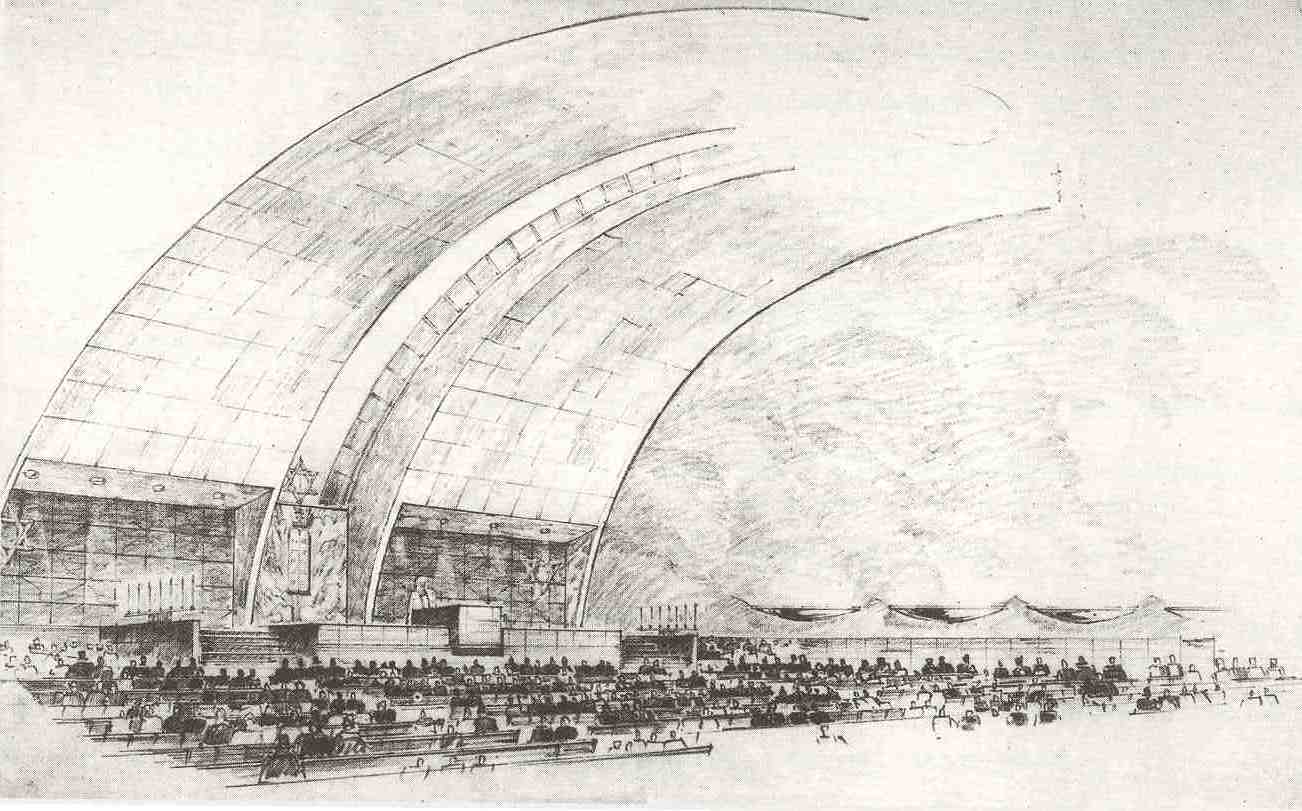
Erich Mendelsohn, sketch for Congregation Bnai Amoona, St Louis, MO
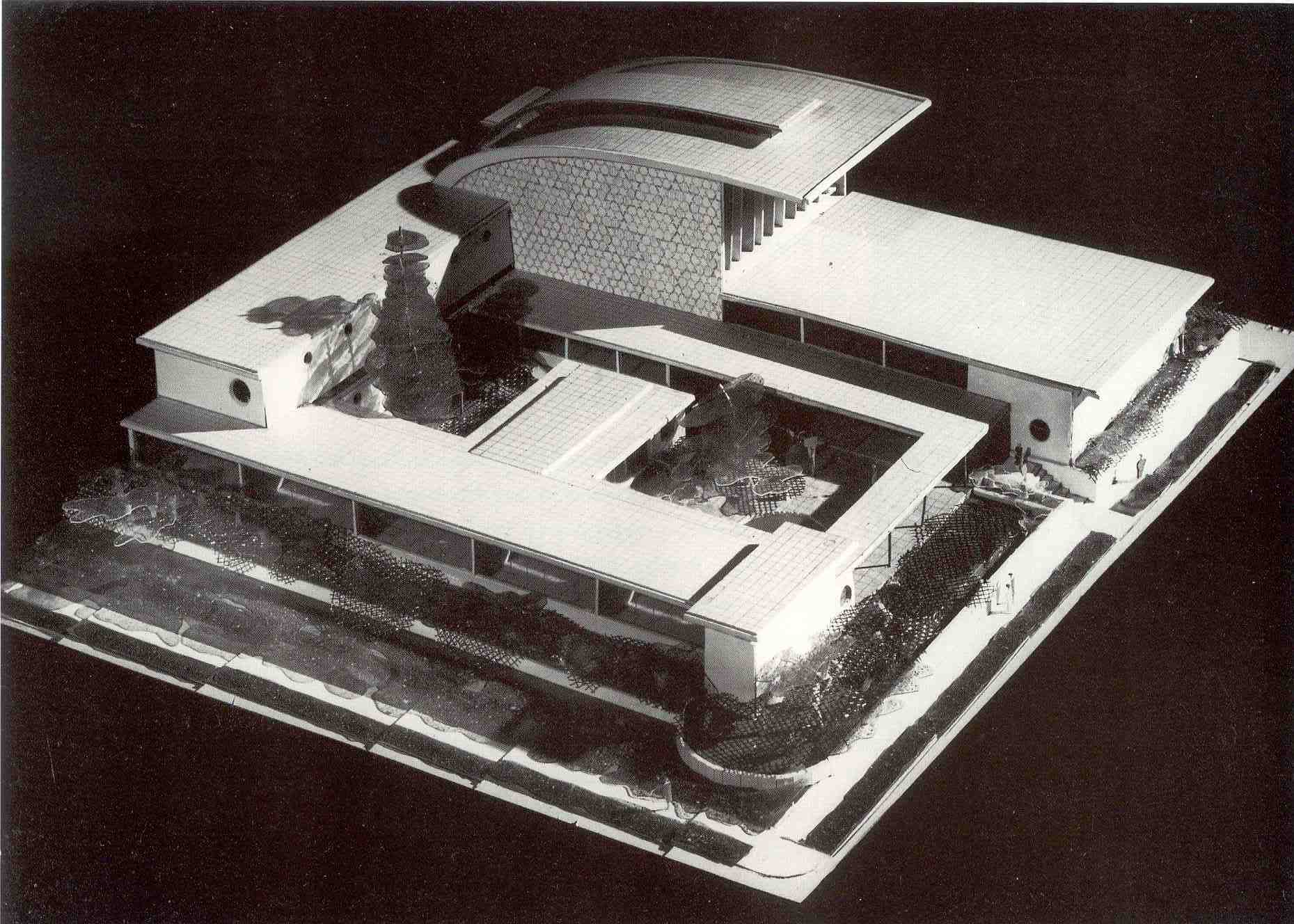
Erich Mendelsohn, Model for Congregation Bnai Amoona, St Louis, MO
Nathan arrived in the United States in 1940 and designed synagogues, teamed with émigré artists, in the New York and New Haven metro areas. Both architects helped create the architectural language for Jewish institutional buildings that was adopted by American colleagues. We can now add the work of refugee architects David Moed of Antwerp (arrived 1939), and Norbert Troller from Brno who after surviving Terezin and Auschwitz came to America and designed scores of JCCs from the late 1940s through the early 1960s for small Jewish communities across America. Other Jewish refugees and survivors including German born but American educated Werner Seligman (1930-1998) and Benjamin Hirsch (1932-2018) also champion a modern aesthetic for synagogues and other buildings.

Fritz Nathan et.al, Kol Ami, White Plains, NY, photo S. Gruber, 2014
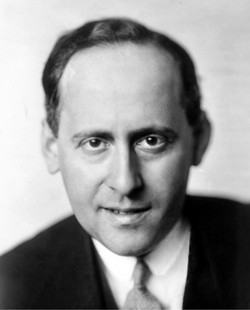
Fritz Nathan (Bingen am Rhein, German Reich, 1891 – 1960 New York City), Portrait Photo
Samuel D. Gruber has been a leader in the documentation, protection, and preservation of historic Jewish sites worldwide for thirty years. He presently directs Gruber Heritage Global, a cultural resource consulting firm and is president of the not-for-profit International Survey of Jewish Monuments. Dr. Gruber is an expert on Jewish art and architecture about which he writes and lectures frequently. He is author of American Synagogues: A Century of Architecture and Jewish Community (2003) and Synagogues (1999) and scores of published reports and articles. Since 2008, he has written the blog Samuel Gruber’s Jewish Art and Monuments. In recent years Sam has curated several on-line exhibitions: Romaniote Memories for Queens College, and Synagogues of the South for the College of Charleston, for which he previously curated Life of the Synagogue. Beginning in 2021, Sam is a planner and lead researcher on the Holocaust Memorial Monument Database project based at the Canter for Jewish Art at Hebrew University which is supported by the Claims Conference.
Sam was founding director of the Jewish Heritage Program of World Monuments Fund, has consulted on cultural heritage projects for numerous organizations and institutions around the world. He served as Research Director of the U.S. Commission for the Preservation of America’s Heritage Abroad from 1998 through 2008 for which he organized and published over a dozen countrywide surveys of historic sites and monuments of Jewish and other ethnic and religious minorities in Europe.
Sam received his BA in Medieval Studies from Princeton University, his Ph.D. in Art and Architectural History from Columbia University and is a Fellow of the American Academy of Rome, where he won the prestigious Rome Prize in Art History.
This event is part of the online series “Flight or Fight. stories of artists under repression.”
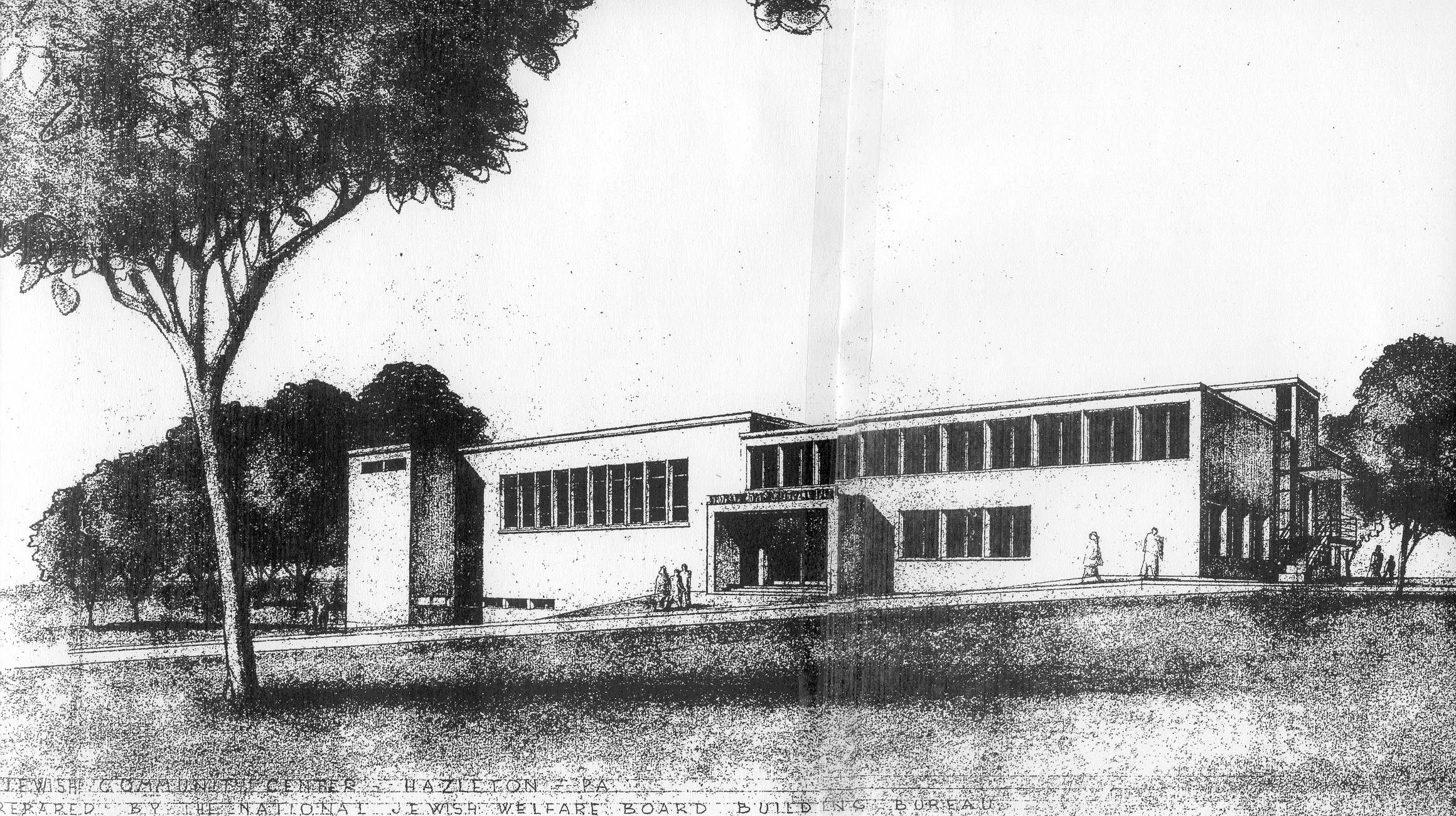
Norbert Troller, JCC, Hazelton, PA, 1950
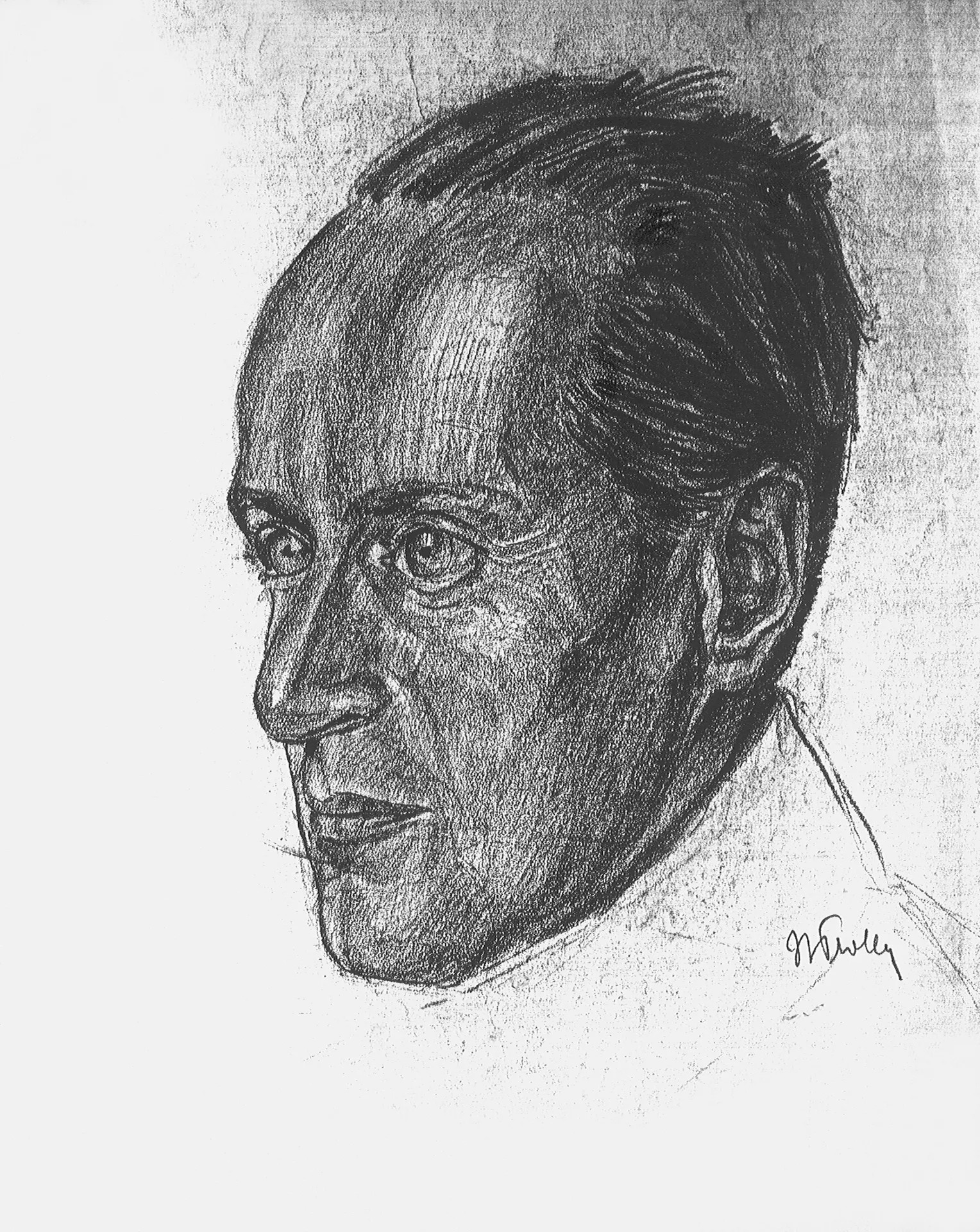
Norbert Troller (Brno 1896–1984 New York), Self Portrait, n.d.