

Stolen Jewish Legacies:
The Fate of the Elisabeth and Hugo Daniel Andriesse Collection
Presentation by Anne Uhrlandt, Munich (Germany)
December 16, 2026 @ 12:00 pm - 1:00 pm
In this online lecture Anne Uhrlandt will present the forgotten story of once prominent Dutch/Belgian Jewish collector couple Elisabeth Jacoba Andriesse, née Spanjaard (26 April 1871, Borne – 1 March 1963, New York) and Hugo Daniel Andriesse (9 April 1867, Vlissingen – 12 June 1942, New York).
During her two-year research project, Uhrlandt reconstructed the couple’s biographies and the fate of their looted collection by bringing together evidence and sources from numerous international archives. While the couple survived Nazi persecution by fleeing to the United States, their art and textile collection was looted by the Nazis. The presentation will focus on the stories of their lives, from their former hometowns in the Netherlands to Brussels, Belgium, where they lived for over 40 years, and follows them on their escape from Nazi persecution via France, Spain and Portugal to the U.S., spending the rest of their lives in New York City. Hugo Andriesse died in 1942; his widow Elisabeth spent many years trying to reclaim and recover the couple’s stolen artworks in the postwar decades. While some stolen objects were recovered by the Allied Forces after the liberation of Nazi Germany and later restituted to her, other objects from the Andriesse collection remain missing until today.
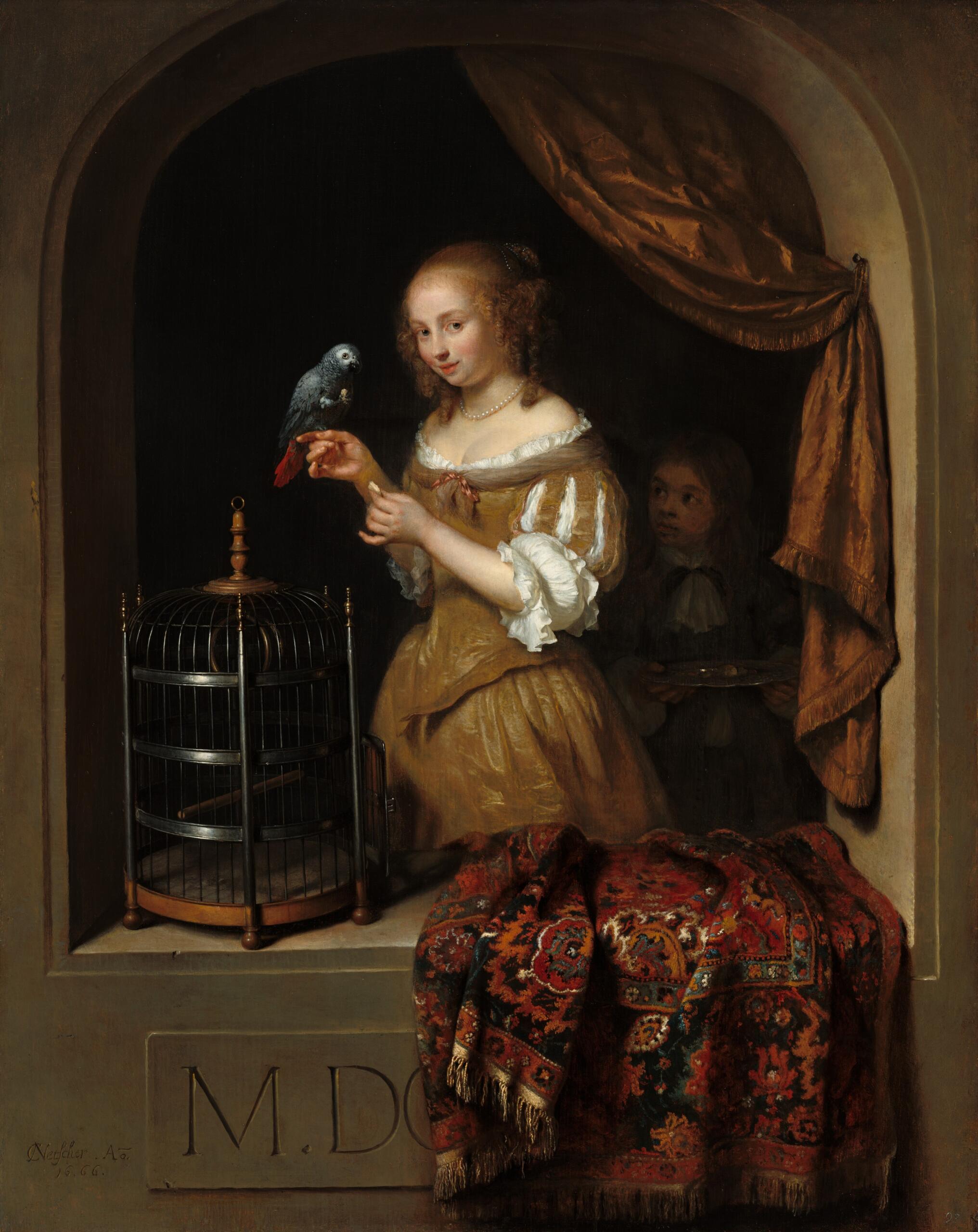
Image above: Caspar Netscher, A Woman Feeding a Parrot, with a Page, 1666. National Gallery of Art, Washington, D.C.
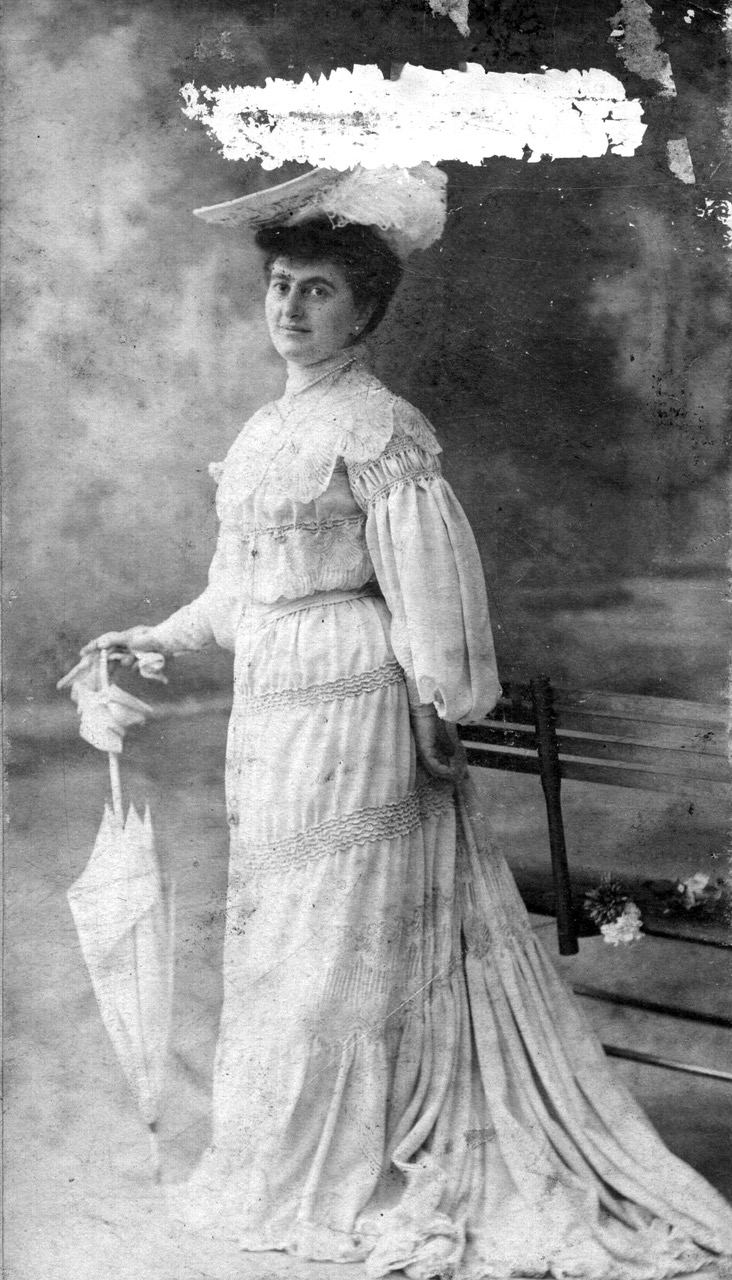
Elisabeth Jacoba Andriesse, née Spanjaard (26 April 1871, Borne – 1 March 1963, New York). Lou Andriesse Collection
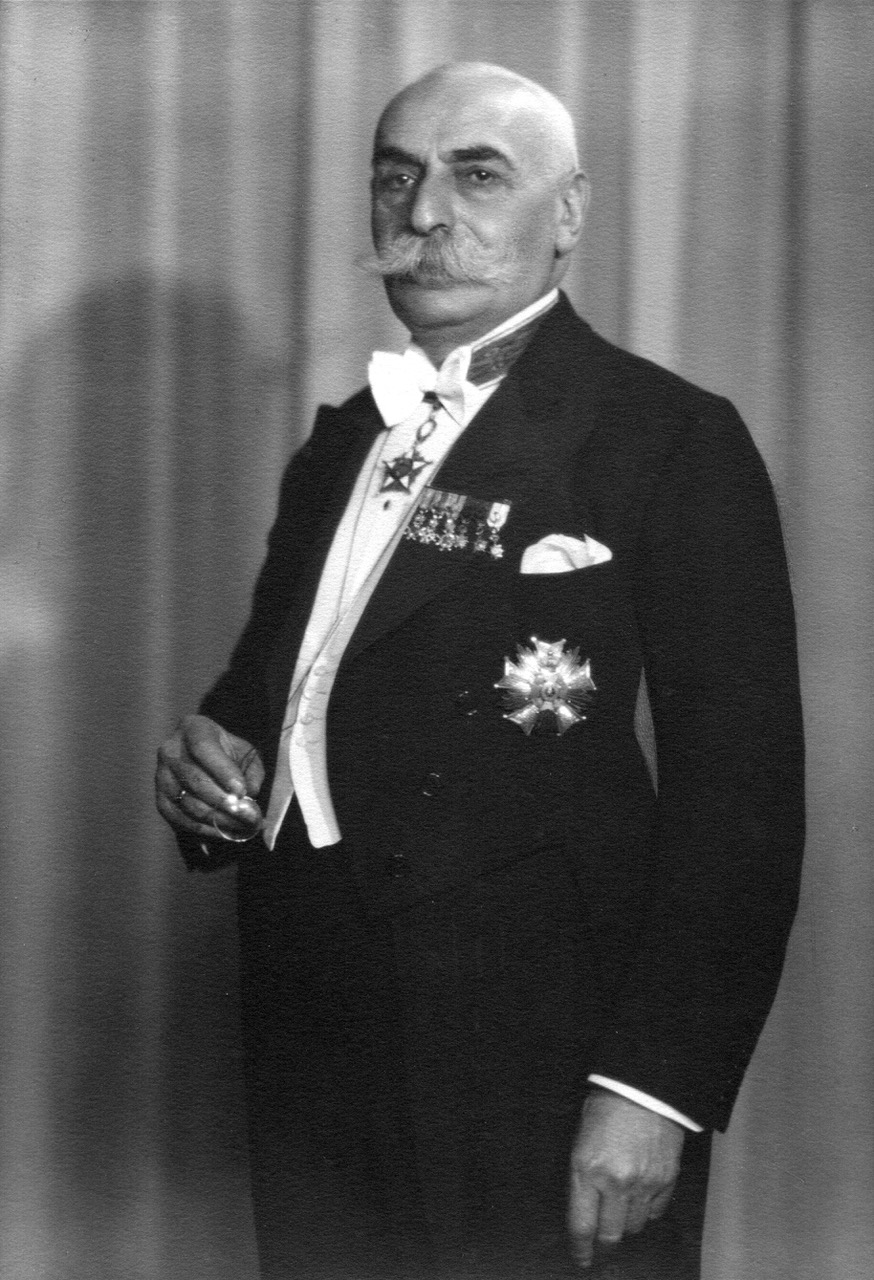
Hugo Daniel Andriesse (9 April 1867, Vlissingen – 12 June 1942, New York). Lou Andriesse Collection
The second half of the presentation will focus on selected objects that were stolen from Elisabeth and Hugo Andriesse, demonstrating the potential of provenance research to uncover and reconstruct the rich Jewish contribution to European cultural history before World War II. The objects´ fates also shows that looted art is not only related to blue chip paintings: Uhrlandt will trace the journey of a book that was once part of Elisabeth Andriesse´s personal library in Brussels, then stolen by the Nazis and subsequently held at various depots and libraries in Europe, a journey that eventually ended in Moscow, from where it was repatriated in the 1990’s to the Netherlands. The book was only restituted to the descendants of the Andriesses on the occasion of the opening of an exhibition curated by Uhrlandt on the Andriesse collection that was presented in November 2024 at the Jewish Museum of Belgium in Brussels, the former hometown of the couple.
The second object is a painting by Caspar Netscher, A Woman Feeding a Parrot, with a Page, 1666 that was once part of the Andriesse collection and is now owned by the National Gallery of Art in Washington D.C.. The provenance of this painting demonstrates the pan-European international dimension of provenance research in Nazi-looted art. The third and final case is the story of a large tapestry with the title Winter that was stolen from the Andriesse collection, becoming part of Hermann Goering´s private collection in his mansion Carinhall near Berlin.
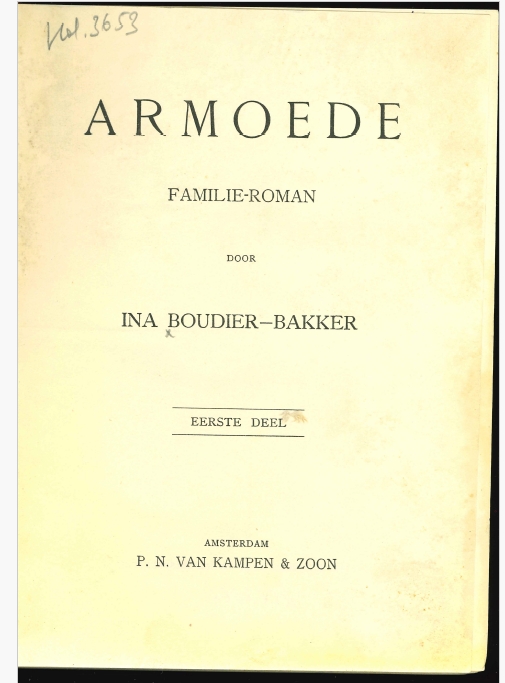
Cover of the book by Ina Boudier-Bakker, Armoede, Eerste Deel, Amsterdam once owned by Elisabeth Andriesse. Economy Ministry of Belgium
Caspar Netscher, A Woman Feeding a Parrot, with a Page, 1666. National Gallery of Art, Washington, D.C.
Anne Uhrlandt is a doctoral candidate at the Ludwig-Maximilians University, Munich, with more than 20 years of experience working as a provenance researcher specialized in Nazi-looted cultural property. Prior to her job at JDCRP as Senior Research and Documentation Officer, she was project coordinator at the Zentralinstitut für Kunstgeschichte in Munich, working as well for the Art Loss Register. She worked previously for the Jewish Museum of Munich.
This event is part of the online series “Flight or Fight. stories of artists under repression.”