Dear friends and colleagues,
Fall started with storms and rain turning sunny here in New York, and with an abundance of exciting events and exhibitions.
SAVE THE DATE for a cocktail reception benefitting the Fritz Ascher Society on Monday, November 23rd at 5:30pm on Central Park South here in New York!
What is the role of photography and art in transmitting historical truth, and when does telling the truth become an act of resistance?
On October 14th, you can see the only known images captured from within a partisan camp in Pictures of Resistance: The Wartime Photography of Jewish Partisan Faye Schulman. Live-streaming from the UN, we’ll commemorate the November Pogrom 1938 on November 4th with a discussion about Understanding Past Realities of the Holocaust. Photography versus Art, featuring experts Christoph Kreutzmüller from Berlin and Rachel Perry from Boston.
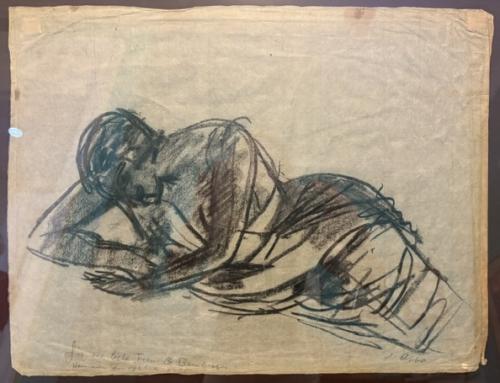
On October 28th we will discover the art and life of Jewish painter Armin Stern (1883-1944) in Armin Stern. Journeys and Escapes, whose work is presently on view at the Jewish Museum in Frankfurt.
You’ll find links to the recordings of our September events and four exhibitions we recommend this month – most of them in New York.
Warmest greetings,
Rachel Stern
Executive Director
UPCOMING VIRTUAL EVENTS:
WEDNESDAY, October 14, 12:00PM EDT online
Pictures of Resistance: The Wartime Photography
of Jewish Partisan Faye Schulman
Presentation by Sheri Rosenblum
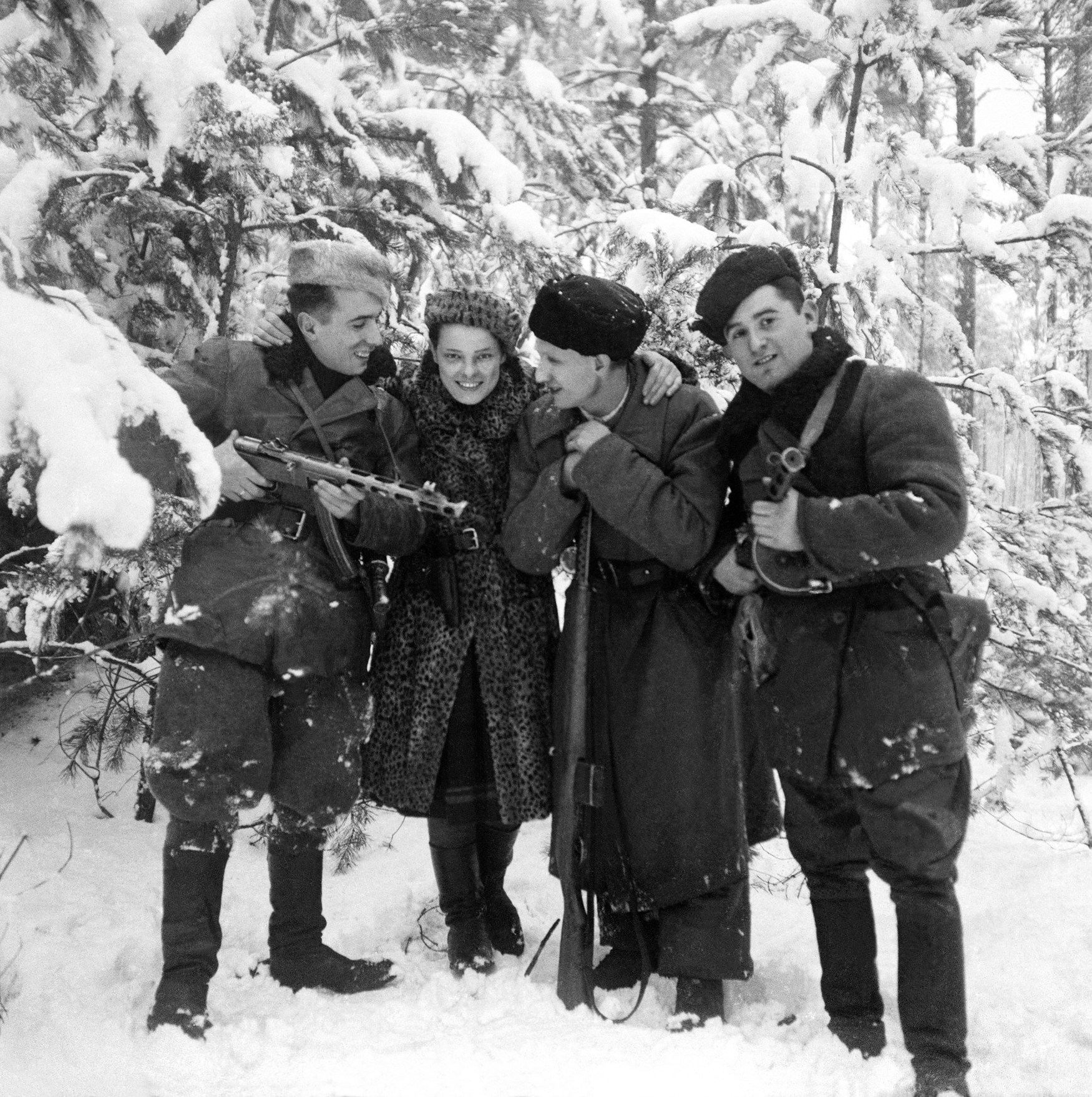
Partisans in the Forest: Jewish Partisan Educational Foundation and A Partisan’s Memoir, Second Story Press, page 125
In the forests of Nazi-occupied Eastern Europe, Jewish partisan Faye Schulman carried two extraordinary weapons: a rifle and a camera. After witnessing the murder of her family and the destruction of her community, she joined the partisans, documenting daily life, resistance, and survival. Her photographs—taken while living and fighting with a partisan unit—are the only known images captured from within a partisan camp.
Sheri Rosenblum’ presentation explores Schulman’s remarkable life through her wartime photography, highlighting its historical significance and artistic legacy. Drawing from the Pictures of Resistance exhibition, participants will discover how her images challenge misconceptions about Jewish resistance during the Holocaust while serving as enduring works of documentary photography and visual testimony.
Sheri Rosenblum is the Director of Operations, Development and Programs for the Jewish Partisan Educational Foundation (JPEF), where she has served since 2011.
This event is part of the online series Flight or Fight. stories of artists under repression and was organized in collaboration with the Jewish Partisan Educational Foundation (JPEF).
WEDNESDAY, October 28, 12:00PM EDT online
Armin Stern. Journeys and Escapes
Presentation by Erik Riedel, Frankfurt a.M. (Germany)
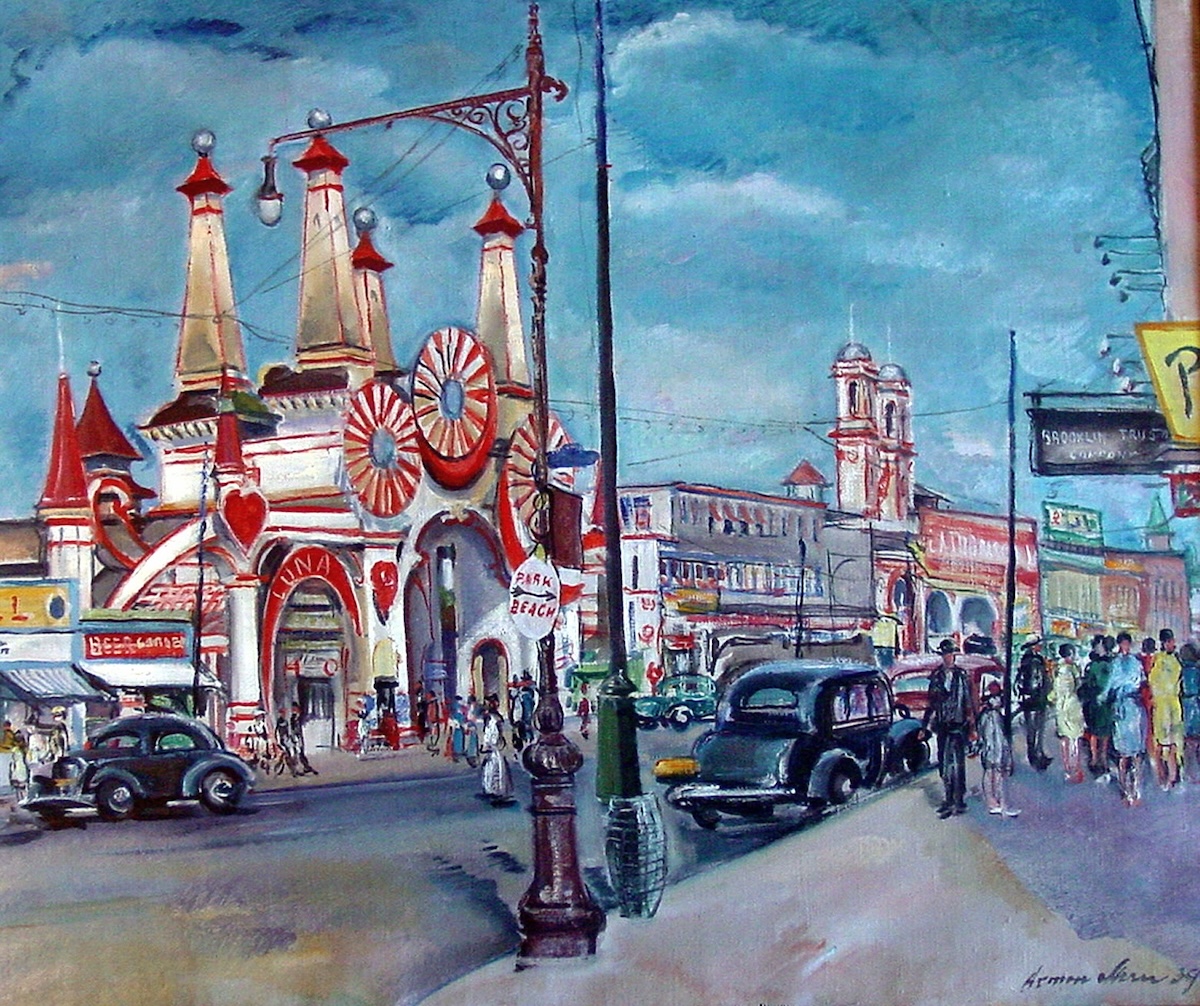
Armin Stern, Luna Park on Coney Island, 1939. Oil on canvas. Donated by the descendants of Armin Stern. Jewish Museum Frankfurt
The artist Armin Stern (1883–1944), born near Pressburg (now Bratislava), moved to Frankfurt in 1900 to study painting. Despite numerous travels and periods of study in Paris, Brittany, the Netherlands, and Ticino, Frankfurt remained the center of his life. After being excluded from an exhibition at the Frankfurt Kunstverein in 1933 because he was a “non-Aryan artist,” he relocated with his family to Bratislava, which had by then become part of Czechoslovakia.
As the situation there also grew increasingly perilous, Stern initially sought to emigrate to the British Mandate of Palestine. By his own account, the painter had become a Zionist while still a schoolboy; during an extended stay in Eretz Israel in 1933–34, he had already gained intimate knowledge of the country while simultaneously looking for a place to settle with his family. In 1938, he obtained an entry visa for the USA; he settled in New York and participated in several exhibitions. After five years of exile in the United States, Armin Stern died of heart failure in July 1944, just days before he was due to be naturalized.
Erik Riedel is head of exhibitions at the Jewish Museum Frankfurt and curator of the museum’s Ludwig Meidner Archive.
This event is part of the online series Flight or Fight. stories of artists under repression.
This year, we planned a very special event in commemoration of the November Pogrom of 1938:
WEDNESDAY, November 4, 11:30PM EST online
Understanding Past Realities of the Holocaust.
Photography versus Art
Speakers:
Dr. Christoph Kreutzmüller, Berlin, Germany
Dr. Rachel Perry, University of Haifa and Gratz College
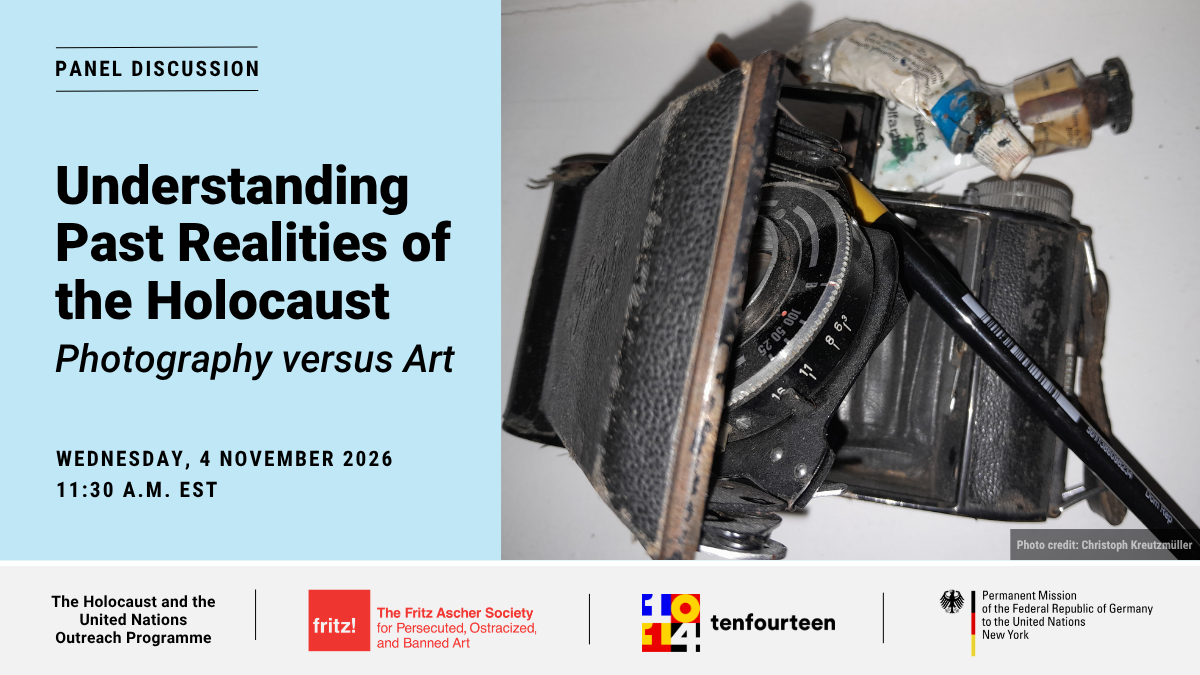
To mark the November Pogrom of 1938 (euphemistically called “Kristallnacht”), a discussion, “Understanding Past Realities of the Holocaust: Photography versus Art” will take place on 4 November 2026. Historians Dr Christoph Kreutzmüller and Dr Rachel Perry examine how photography and art depicted the Nazi state-orchestrated campaign of terror perpetrated against Jewish men, women and children across Germany, Austria and the Sudetenland from 9 to 10 November 1938 (the November Pogrom). The historians ask what photography and art reveal about the lived realities of the victims of the Pogrom, the interactions surrounding the violence and the broader society in which the violence was perpetrated.
The event will be live-streamed and recorded. Questions can be submitted through this form.
The discussion is organized by the Holocaust and the United Nations Outreach Programme together with the Fritz Ascher Society for Persecuted, Ostracized and Banned Art, and the Permanent Mission of Germany to the United Nations.
RECENT RECORDINGS
We invite you to watch, re-watch and pass on the recording of our SEPTEMBER events.
DOR – a deep, bittersweet longing or yearning for someone or something absent, loved, or lost – is in the name of the organization which collaborated with us for this important event, featuring a long suppressed cultural heritage.
What better time to think about synagogue design than during the High Holidays?!?
CURRENT EXHIBITIONS
This month’s recommendations are focussed mainly on the fabulous exhibitions that are on view in New York – the only exception is the first:
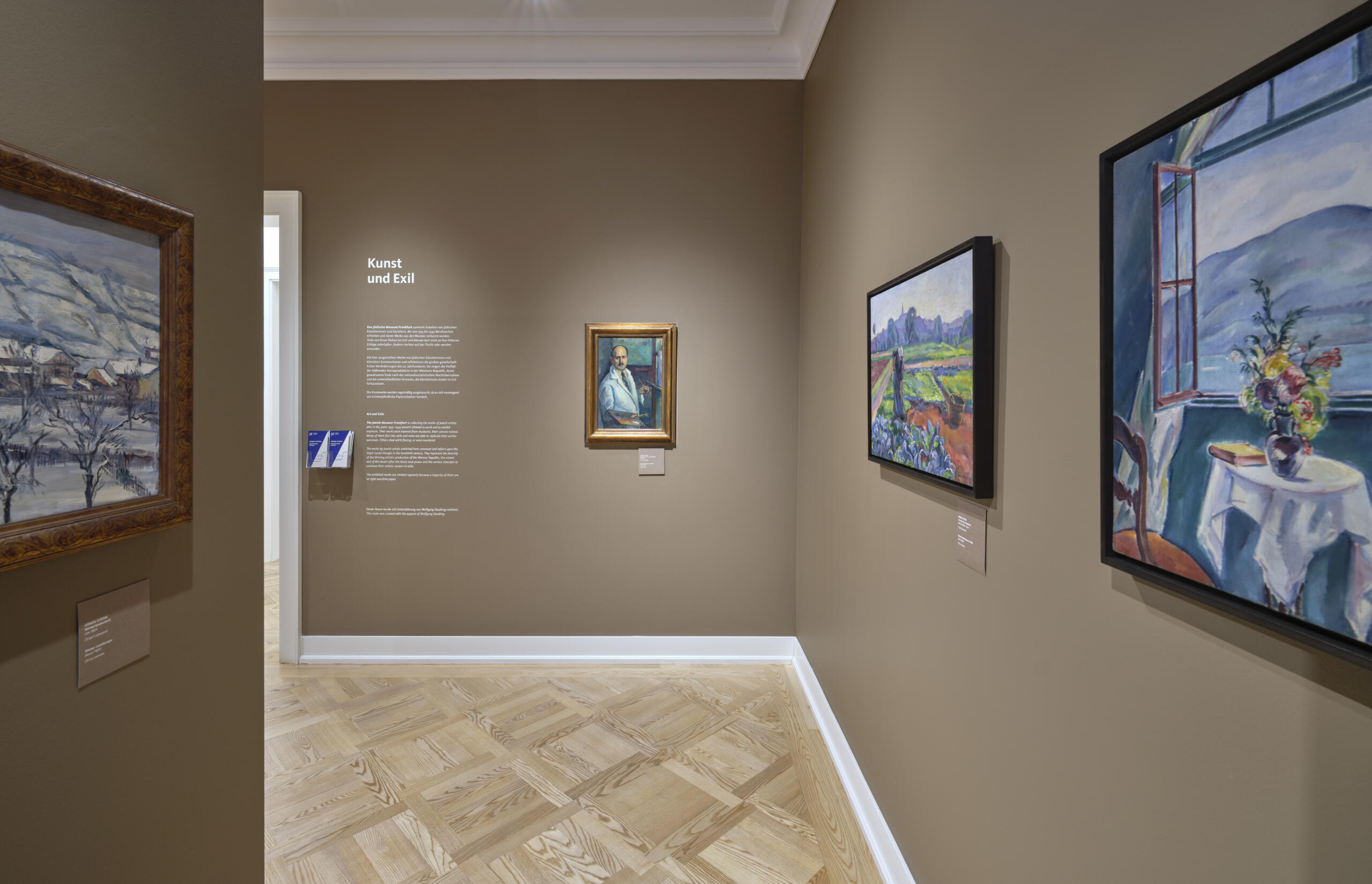
Armin Stern: Painter and Zionist is on view until January 3, 2027 at the Jewish Museum in Frankfurt a.M. (Germany).
Armin Stern had been a successful and popular landscape and portrait painter, who made a name for himself with social criticism- and Old Testament-related themes as well as landscapes and portraits, straddling the border between French impressionism and German expressionism.
The artist’s estate—gifted by his grandchildren—now enriches the art collection of the Jewish Museum Frankfurt.
The exhibition shows highlights from that collection.
Hidden in Plain Sight: The Secret Photo Album of Theresienstadt is on view until December 31, 2026 at the Leo Baeck Institute in New York.
Photographs from ghettos, concentration, or extermination camps are rare, especially those not taken by perpetrators or created for Nazi propaganda. The Theresienstadt Ghetto Album, preserved for decades in the estate of Milan Weiner, constitutes a rare find and exceptional documentary evidence.
The small album (3.15 × 4.33 inches) contains 41 photographs depicting a small group of internees in the Theresienstadt (Terezín in Czech) Ghetto. These are the first known surviving images of Theresienstadt not produced for propaganda purposes and thus offer a rare glimpse into reality. The photographer remains unknown.

CURRENT EXHIBITIONS
This is the exhibition in Berlin that our virtual talk on July 22nd relates to:
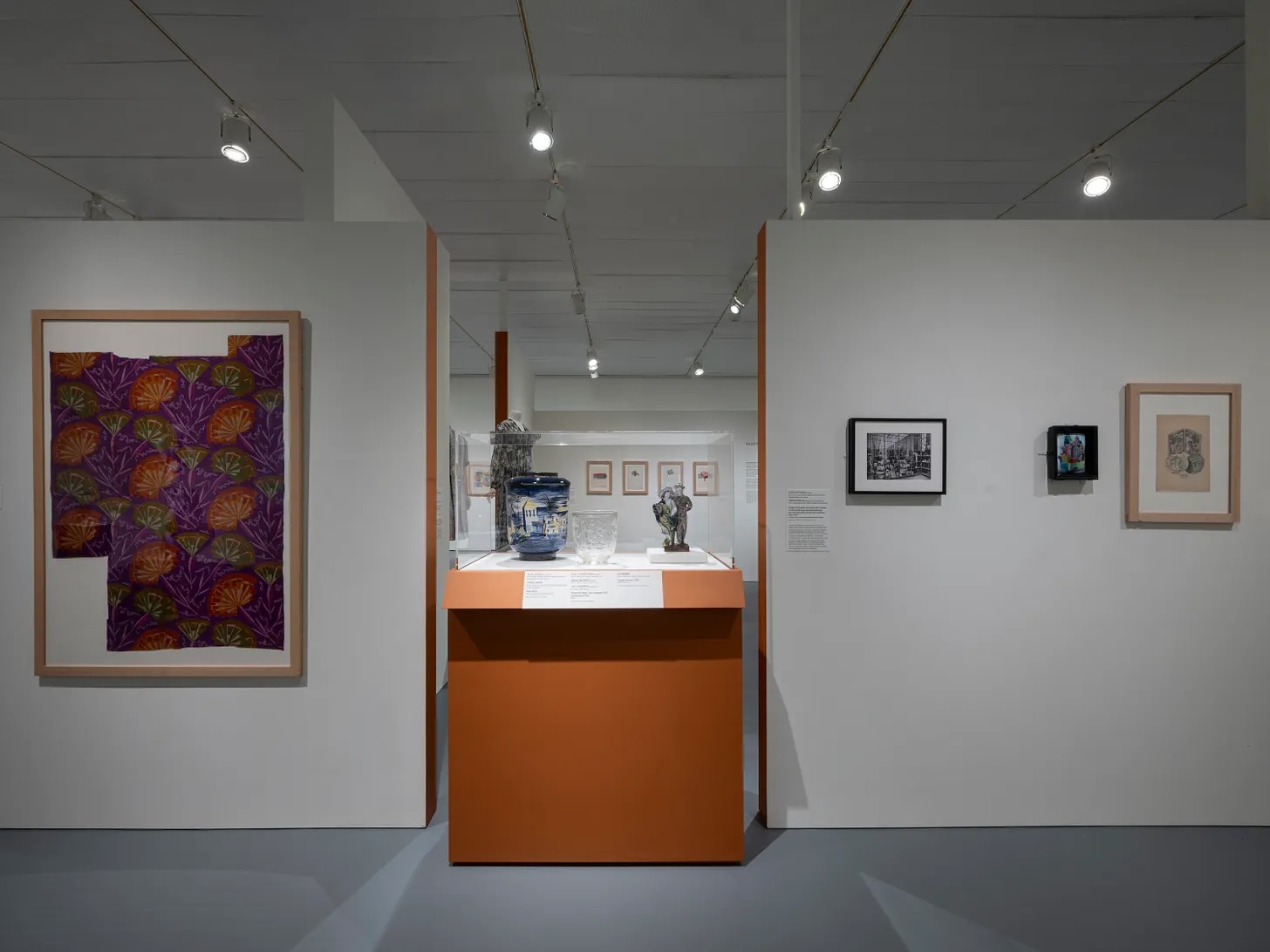
Modernity and Opulence: Women of the Wiener Werkstätte is on view until November 15 at the Jewish Museum New York.
The exhibition sheds new light on the role that Jewish women played as artists, designers, patrons, and tastemakers shaping modernist aesthetics in early 20th-century Vienna and beyond.
With more than 200 objects by some 30 Jewish women artists on view, the exhibition is organized thematically to reveal the extraordinary range and technical prowess of the women of the Wiener Werkstätte across mediums. A special emphasis is placed on Vally Wieselthier and Felice Rix-Ueno, whose prolific work, in ceramics and textile design respectively, has had lasting influence on these disciplines. The exhibition also provides a meaningful reintroduction to the work of artists whose work is less well-known today, and a platform for exploring their impact in the context of art and design histories.
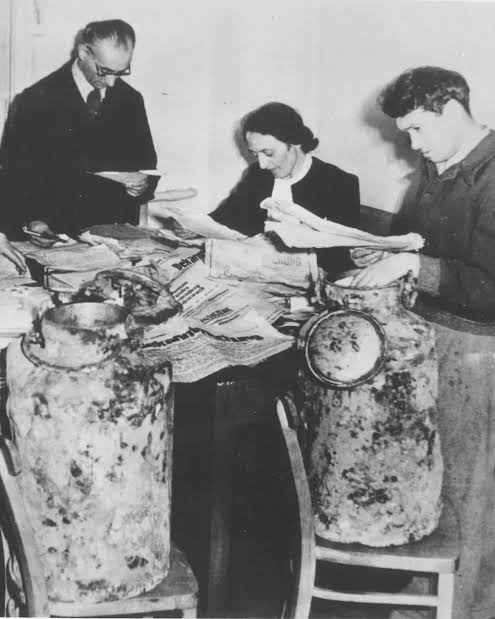
JUST OPENED: Will These Words Reach You? The Underground Archive of the Warsaw Ghetto is on view until February 14, 2027 at the Museum of Jewish Heritage New York.
The exhibition examines one of the most significant acts of Jewish resistance and historical preservation during the Holocaust: the creation of the Oyneg Shabes Archive in the Warsaw Ghetto. After the Nazis sealed the ghetto in November 1940, more than 400,000 Jews were confined under brutal and dehumanizing conditions. Alongside mass starvation, disease, and violence, Jewish life faced cultural and historical annihilation. Within this environment, documenting daily experience became both a risk and a necessity.