Dear Friends,
September isn’t over yet, and our programming isn’t either, with the virtual event about the architect of the Knesset, Ossip Klarwein, re-scheduled to happen tomorrow.
For the Jews among us, the High Holy Days will dominate this month, a time to pause, to look inward, and to recommit ourselves to the values of compassion, justice, and peace.
At the Fritz Ascher Society, we continue to feature untold stories of artists marginalized and persecuted by the German Nazi regime, and inspire conversations and discussions of high relevance today.
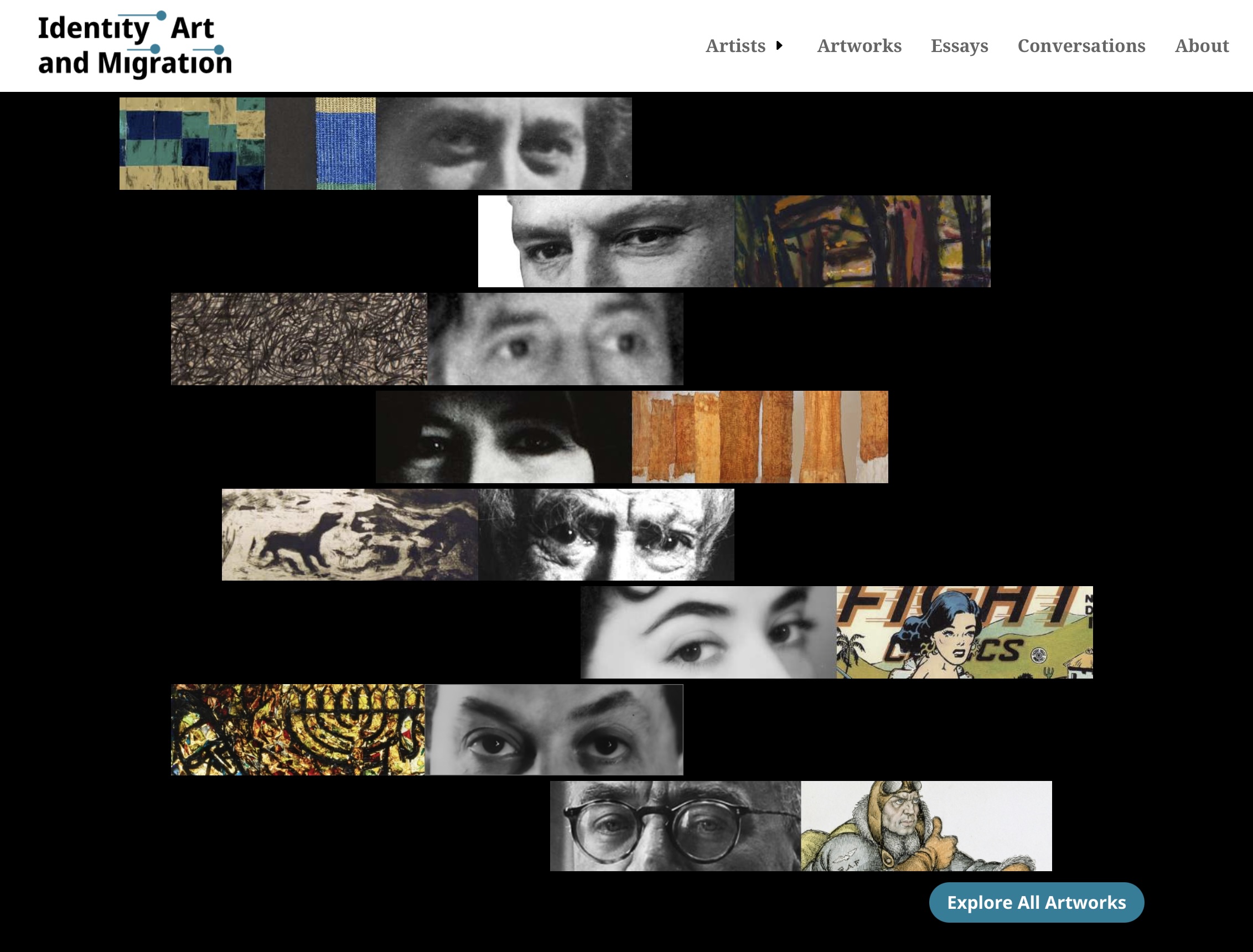
To watch the stories told in past events, you can visit our YouTube channel @fritzaschersociety, or our online exhibition IDENTITY, ART AND MIGRATION, which now includes the artist Samson Schames.
The book “Matisse at War” will just have been released when author Christopher C. Gorham will speak about it on October 20th.
With best wishes,
Rachel Stern
Executive Director
CHANGE OF DATE!
TUESDAY, September 30, 12:00PM EDT
Ossip Klarwein (1893-1970):
an Architect’s Journey from Berlin to Jerusalem
Presentation by Jacqueline Hénard, Berlin (Germany)
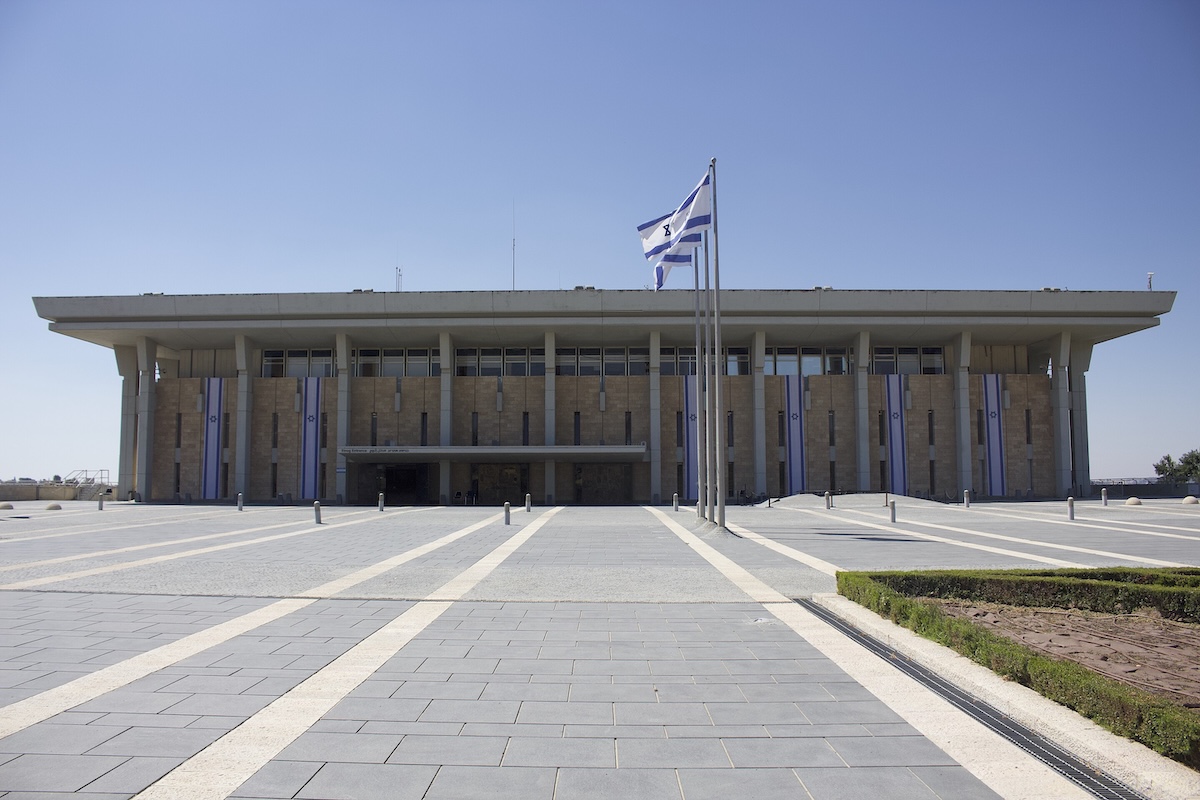
Ossip Klarwein, Knesset in Jerusalem (Israeli parliament). Photo front side, 2022.
Wikimedia Commons Clema12, CC BY-SA 4.0
In this virtual event, Jacqueline Hénard will speak about the architect Ossip (also: Joseph) Klarwein (1893-1970), a pioneer of the avant-garde, whose works – including iconic buildings such as the church at Hohenzollernplatz in Berlin and the Knesset in Jerusalem – built bridges between expressionist tradition and radical modernism.
From 1921, he studied with Hans Poelzig at the Prussian Academy of Art in Berlin. Between 1926 and 1933, he was chief architect in Fritz Höger’s office. After his emigration in 1933, he continued to work as an architect and urban planner in British Mandate Palestine. After the founding of the State of Israel in 1948, he played a key role in designing Theodor Herzl’s tomb, the government quarter, the university campuses Mount Scopus and Givat Ram, the Hadassah Organization’s hospital centers in Jerusalem and the Knesset parliament building. He died in Jerusalem in 1970. Even though he built many iconic buildings, Klarwein is not widely known.
Jacqueline Henard was born in West-Berlin during the cold war, studied in Montpellier, Cambridge, and Paris, and graduated from the Sorbonne with a thesis in contemporary history and international relations. Following a year as a volunteer with an NGO in rural Indonesia, she joined the editorial staff of the Frankfurter Allgemeine Zeitung. She was appointed the FAZ’s Eastern Europe correspondent in 1987, during which time she also covered the transformation of the former East Germany.
In 1997, Jacqueline moved to Paris, where she worked first as a correspondent for Die Zeit and later ran the European program of the public radio France Culture. In parallel, she continued to pursue her academic interests — teaching at Sciences Po Paris, doing research, and publishing a number of books on European history and culture in French and German. In 2022, Jacqueline started research about the largely forgotten architect Ossip Klarwein, which led to the book publication and the exhibition currently on view in Berlin.
This event is part of the online series Flight or Fight. stories of artists under repression.
This book has just been released! Once you start reading it, you won’t be able to put it down:
WEDNESDAY, October 20, 12:00PM EDT
Matisse at War. Art and Resistance in Nazi Occupied France
Book talk by Christopher C. Gorham
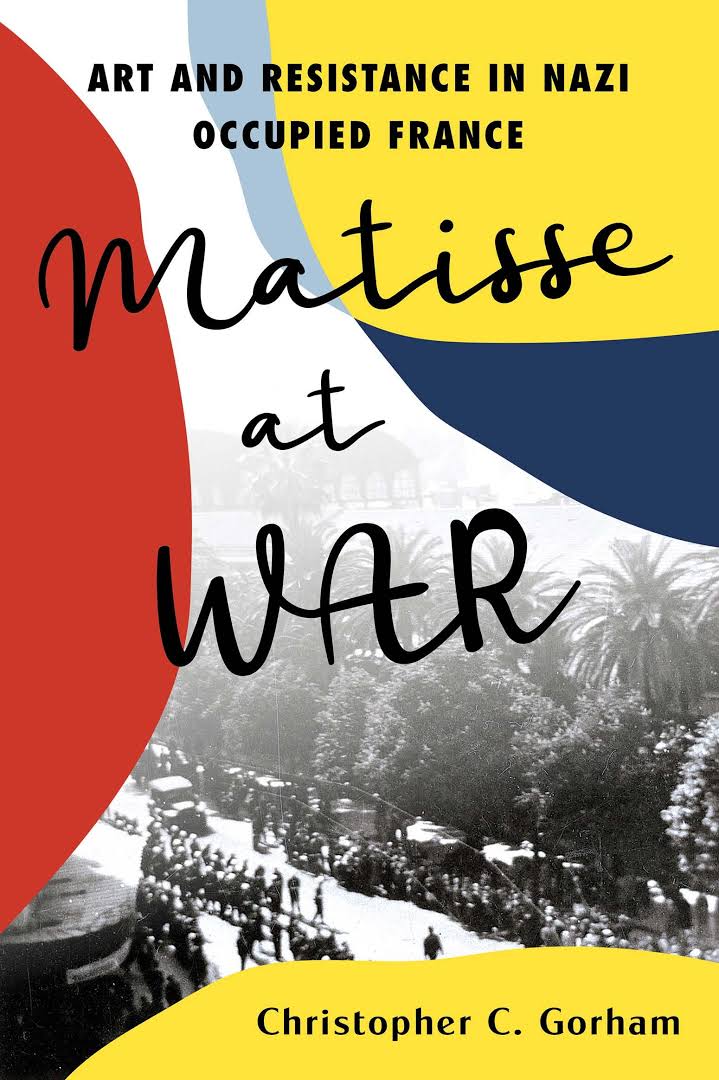
When the Degenerate Art exhibit opened in Munich in the summer of 1937, works by notable foreign modernists were denigrated along with German artists. Henri Matisse’s Blue Window (1913) was legally seized by the Nazi regime for inclusion in the traveling exhibit, and his work was banned from German museums.
Matisse continued to be an enemy of the Third Reich following Germany’s subjugation of France in 1940. Despite entreaties to flee France, Matisse defiantly remained. But decades of his work were at risk: his personal collection was safeguarded in a Paris bank vault but subject to German “removal men.” One such removal man was Reichsmarschall Hermann Göring, Nazi Germany’s second-in-command, who took possession of several Matisse works which he had “carefully vetted.”
The stakes were high for Matisse, but even higher for his children. His son Jean was aiding British intelligence in the South; his son Pierre was helping artists like Marc Chagall escape to New York; and his beloved daughter Marguerite ferried intelligence for a Resistance network. Despite his anxiety over the fate of his family, Matisse persevered in his art, creating a groundbreaking series of images he called Jazz (another so-called “degenerate” artform). Henri Matisse’s steadfastness to live and work during the years of war and Occupation made the white-haired artist “a beacon of hope for the young.”
CHRISTOPHER C. GORHAM is a lawyer, educator, and acclaimed author of THE CONFIDANTE (a Goodreads Choice Award finalist in History/Biography) and MATISSE AT WAR (Citadel, Sept. 30, 2025). He is a frequent speaker at conferences, literary events, and book club gatherings. He lives in Boston, and can be found at ChristopherCGorham.com and on social media @christophercgorham.
This event is part of the online series “Flight or Fight. stories of artists under repression.”
You can find the recordings of our virtual September events here, to watch, re-watch and pass on:
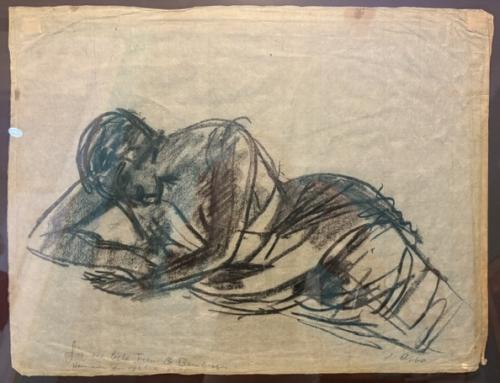
To further explore Samson Schames’ art and life story in bio, recorded discussions and a scholarly essay by Annika Friedman from the Jewish Museum Frankfurt, visit our online exhibition IDENTITY, ART AND MIGRATION.
IDENTITY, ART AND MIGRATION investigates the experience of eight Jewish European artists who were forced to abandon their country of origin, or remain in hiding for years, in response to Nazi policies in effect from 1933 to 1945. These seven artists: Anni Albers, Friedel Dzubas, Eva Hesse, Rudi Lesser, Lily Renée, Samson Schames and Arthur Szyk emigrated to the United States, while one, Fritz Ascher, stayed behind in Germany, hiding in a basement for three years.
These artists’ lives and work address the multi-layered concept of identity and the particulars of its expression from slightly different angles. We invite you to explore with us how these wrenching experiences affected their sense of who they were, and the art they made.
This month, we feature two important exhibitions which will close later in October, one here in the US and one in Germany:
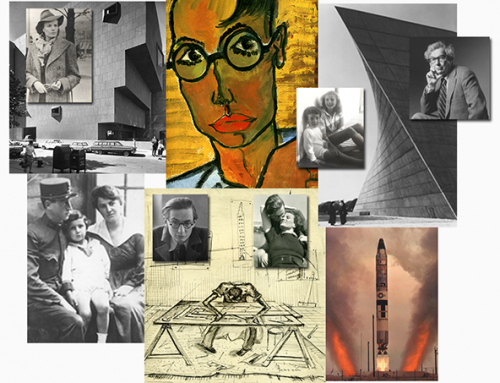
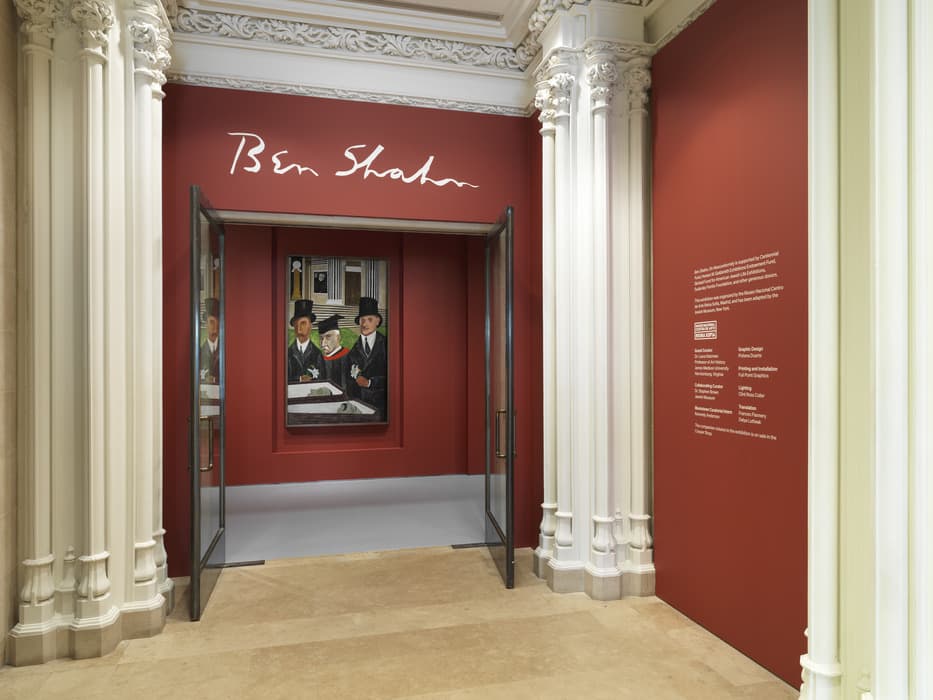
Ben Shahn, On Nonconformity is on view until October 26, 2025 at the Jewish Museum New York.
This first U.S. retrospective in nearly half a century dedicated to social realist artist and activist Ben Shahn (1898-1969) examines the prolific and progressive artist’s commitment to chronicling and confronting crucial issues of his era, spanning from the Great Depression to the Vietnam War, as well as his exploration of spirituality and Jewish texts. The exhibition reveals new insights into the complexity of his aesthetic and his decisive shift from documentary to allegorical and poetic styles in pursuit of a visual language that would resonate widely.
Do you remember Ori Z Soltes’ talk about Ben Shahn (1898-1967) this past spring?
In Berlin, you can visit the first ever exhibition about Ossip Klarwein, which will travel to Hamburg next:
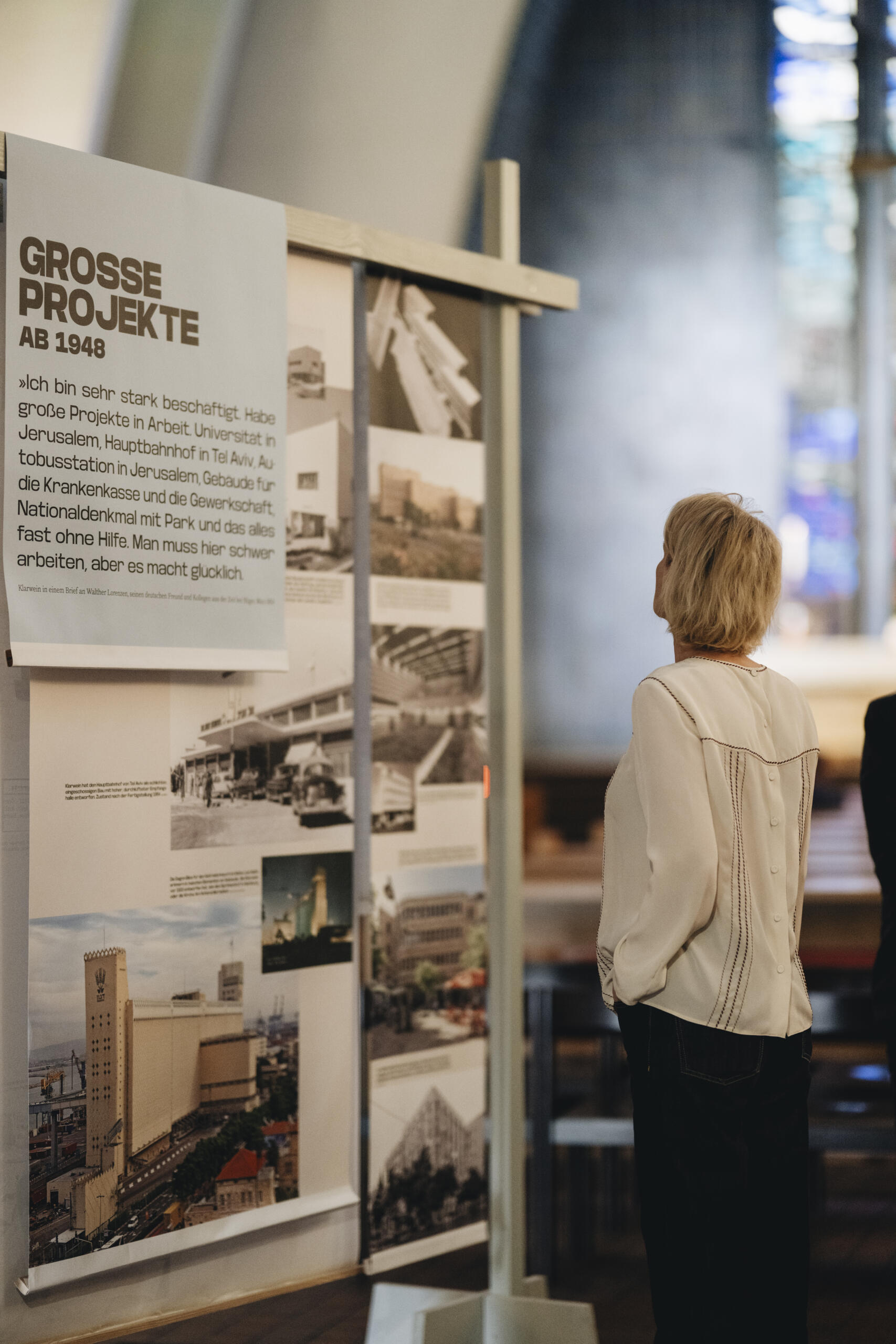
Ossip Klarwein: an Architect’s Journey from Berlin to Jerusalem is on view until October 16, 2025 in the Church At Hohenzollernplatz (Nassauische Straße 66) in Berlin.
The first monographic exhibition on the important architect Ossip Klarwein can be viewed at the spectacular Kirche Am Hohenzollernplatz, designed by Klarwein. Klarwein was already a representative of the avant-garde as chief architect of brick expressionist Fritz Höger – who was world famous at the time – and, after emigrating in 1933, had a decisive influence on the architecture of the young state of Israel. Despite this, his work is still not widely known today. The exhibition presents the most important of his more than 100 projects and illustrates his influence on modern architecture.