Events
-
-

Peter László Péri (1899-1967).
A Hungarian-born Artist in Berlin and London
Lecture by Arie Hartog, Bremen (Germany)ONLINE VA, United StatesIn this talk, Arie Hartog, director of the Gerhard-Marcks-Haus in Bremen, Germany, draws attention to a sculptor who contradicts the common narrative of modern art in the 20th century. Péri began as a constructivist and ended as a figurative artist. Yet he was not an academic traditional sculptor. Introductory remarks by Lilla Farkas, Cultural attaché at the Liszt Institute of the Consulate General of Hungary in New York. Image above: Peter László Péri, Sadness, 1938–1945, pigmented and painted concrete, 52 × 40 × 60 cm. Photo: Jake Wallters © Peter László Péri Estate, London Peter László Péri was born Ladislas Weisz in Budapest in 1889. Peri became the Hungarianized family name in 1918. In 1919, he [...]
Free -
-
Klaus Friedeberger (1922-2019).
Journey Around the World
Lecture by Monica Sidhu, London
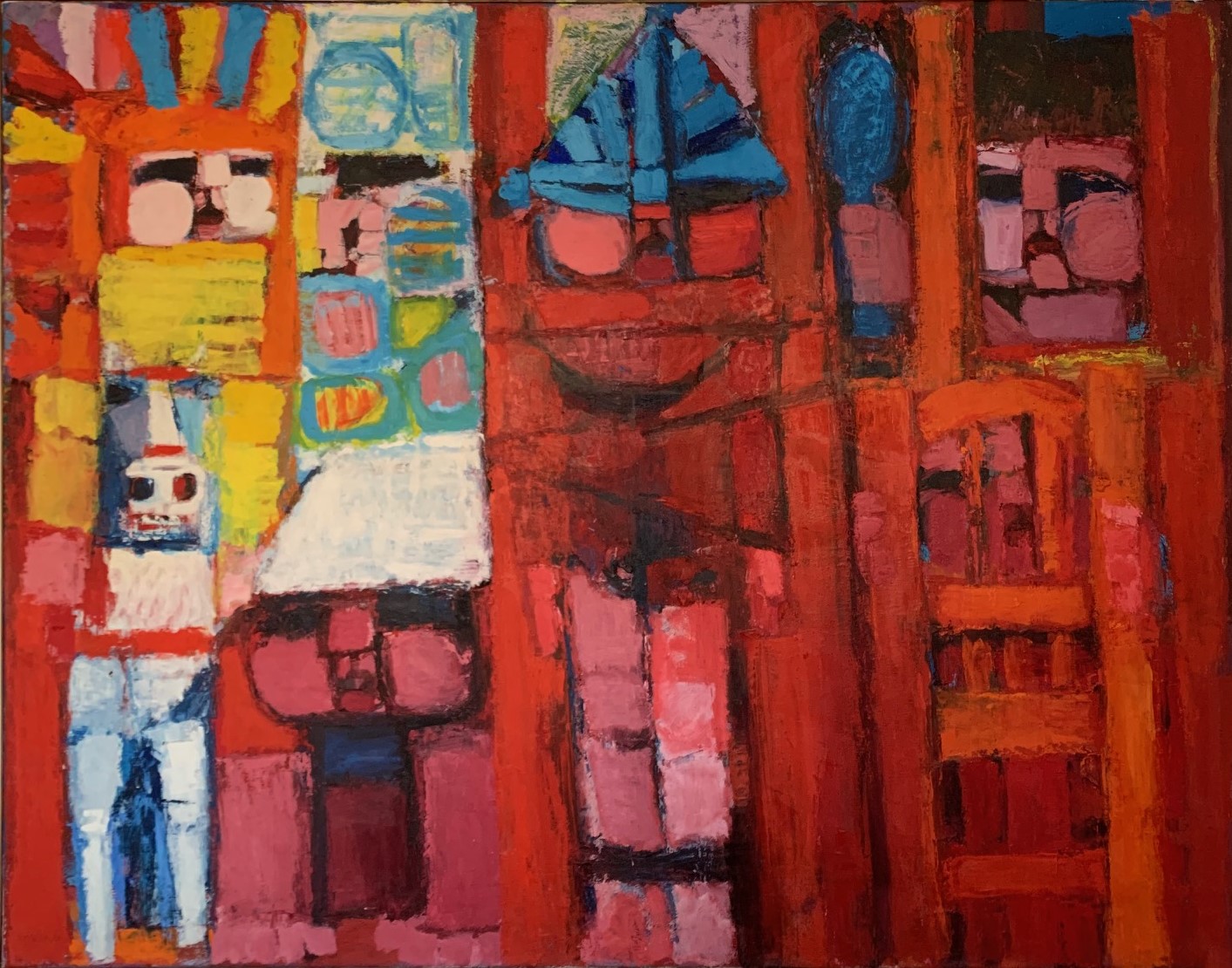
Q&A with wife Julie Friedeberger and British Museum curator Stephen Coppel, LondonONLINE VA, United StatesPresentation by Monica Sidhu, followed by a conversation with the late Klaus’ wife Julie Friedeberger and British Museum curator Stephen Coppel, London. Image above: Klaus Friedeberger, Children Playing, 1959-1962, oil on canvas. Copyright Klaus Friedeberger estate Born in Berlin in 1922 the artist Klaus Friedeberger escaped Nazi Germany in 1937. After studying at the Quaker School in Holland he arrived in London as a refugee in 1939. Classified as ‘enemy alien’ he was interned and subsequently deported to Australia on the transport ship Dunera. He spent two years in internment camps at Hay in New South Wales. Released in 1942 he joined the Australian Army labour corps and after demobilisation he studied art at East [...]
Free -

Samson Schames: Fragments of Exile
Lecture by Annika Friedman, FrankfurtONLINE VA, United StatesThis event is sponsored by Ilona Oltuski in memory of Ruth Drory. Image above: Samson Schames, Kindling of the Lights, c. 1956. Glass tiles on glass, 56 x 71 cm. Jewish Museum Frankfurt Samson Schames (1898-1967) came from a long-established Jewish family in Frankfurt am Main. With the support of his uncle, renowned gallery owner Ludwig Schames, he made his way into the 1920s art scene and began his training as a painter, graphic artist, and stage designer. Schames’ designs, drawings, and oil paintings from the period up to 1933 testify to his deep connection to Frankfurt and her landscapes. https://fritzaschersociety.org/wp-content/uploads/2023/08/der-blick-geht-nicht-hin-zum-scaled.jpg Samson Schames, Opernplatz Frankfurt, 1930. Jewish Museum Frankfurt https://fritzaschersociety.org/wp-content/uploads/2023/08/Schames_TheTear.original.jpg Samson Schames, The Tear, c.1941. 57.2 x 45.5 cm. Leo [...]
Free -
-
The Art of Marc Klionsky:
Shaping a Three-World Condition from Minsk to New York
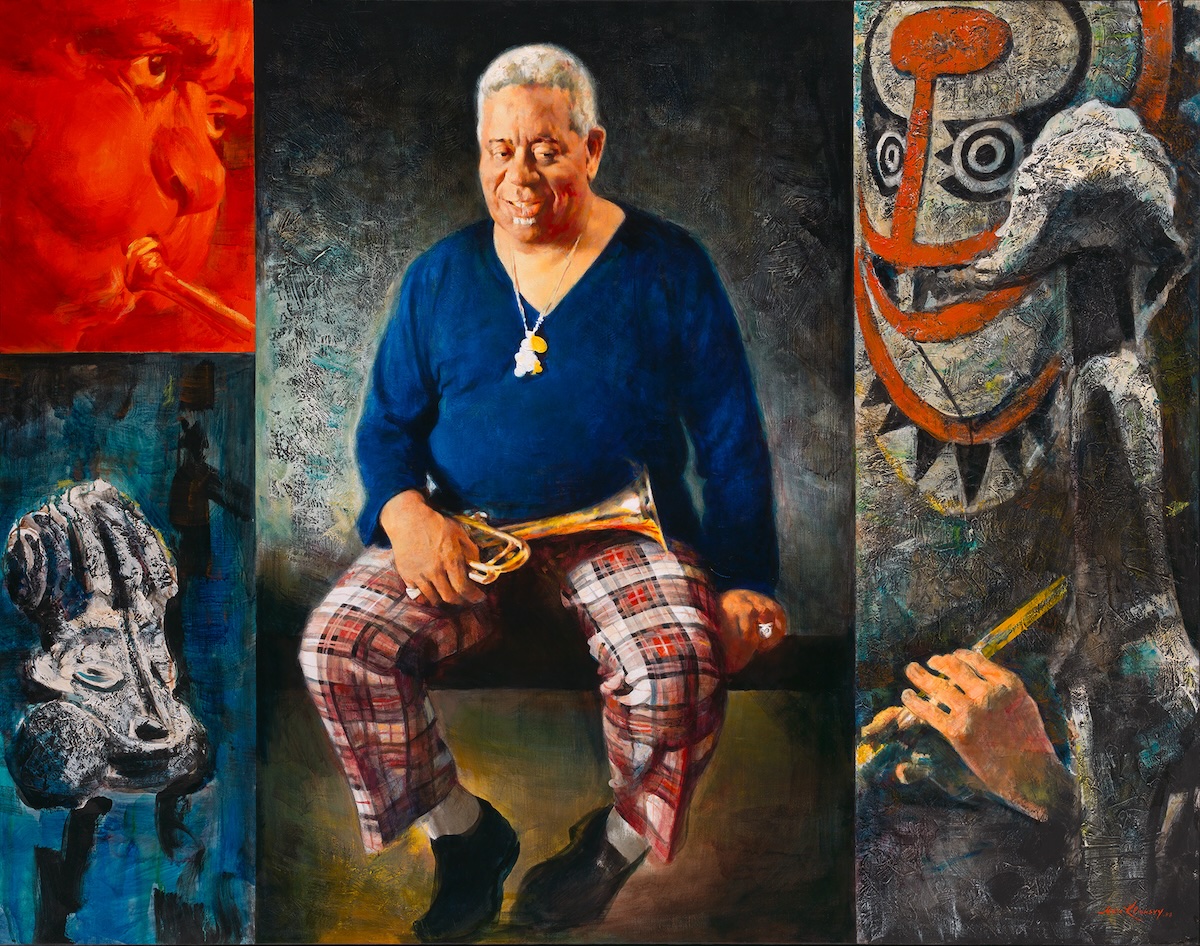
Lecture by Ori Z Soltes and conversation with daughter Nadia KlionskyONLINE VA, United StatesIn this program Georgetown University professor and author, Ori Z Soltes, explores Marc Klionsky's life and work, in part through conversation with his daughter, the scholar and artist, Nadia Klionsky. Image above: Marc Klionsky, Dizzie Gillespie: The Man and his Trumpet, 1988. Oil on canvas, 52 x 66 inches. National Portrait Gallery, Washington, DC. This exciting program features the paintings of Marc Klionsky (1927–2017). Born in the Soviet Union, Klionsky managed to navigate what has been called a “two-world condition”—creating the particularized Soviet Socialist Realist work that was acceptable to the Stalinist and post-Stalinist State while allowing his soul to reveal itself in work that only a very few trusted viewers might see. As [...]
Free -
-
RESISTANCE –
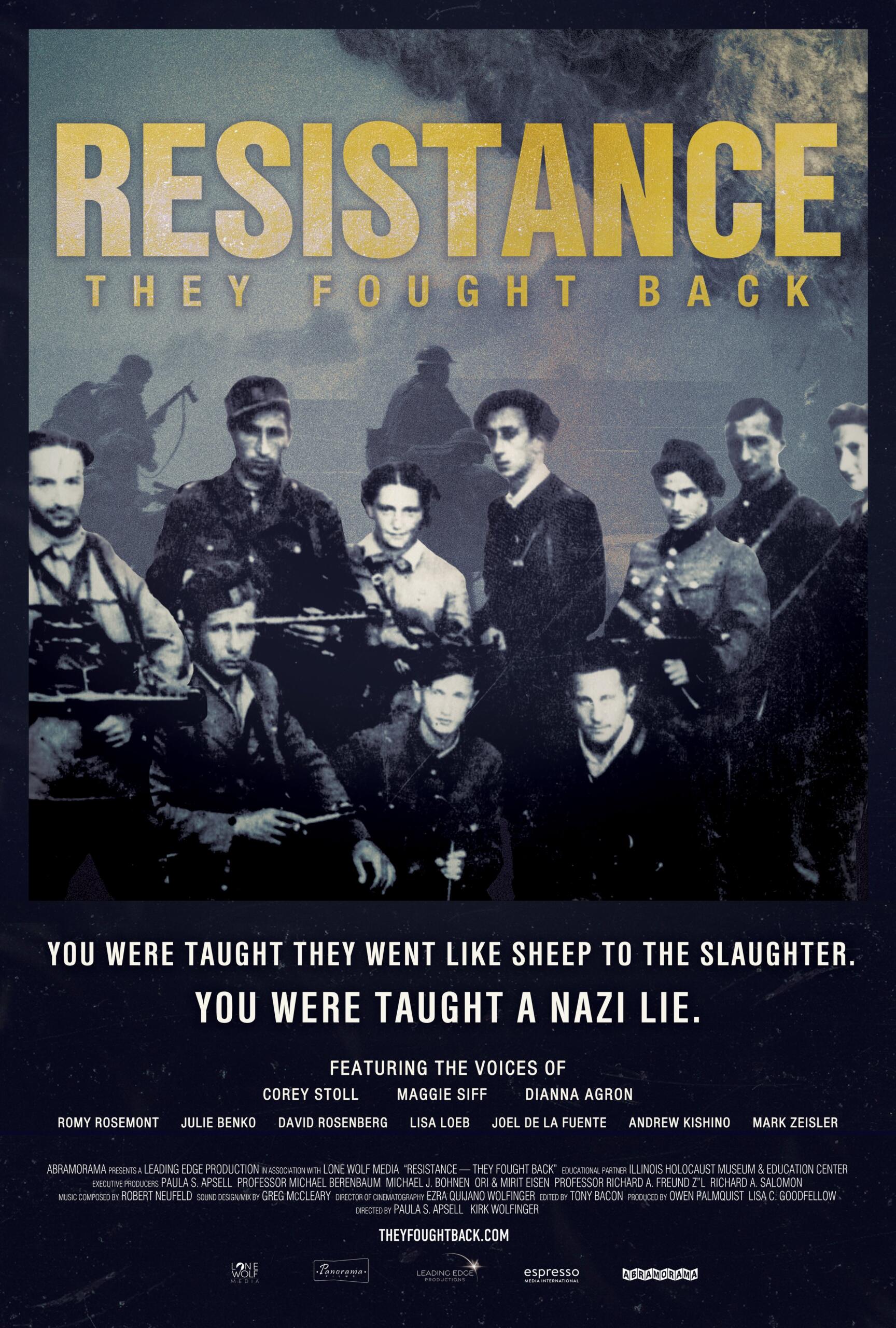
THEY FOUGHT BACK
New York Theatrical ReleaseDCTV Firehouse Cinema for Documentary Film 87 Lafayette Street, New York, NY, United StatesTold by survivors, their children, and expert witnesses from the U.S. Israel, and Europe, Resistance: They Fought Back, is a revelation based on extensive research of how the Jews of Europe fought back. It uncovers evidence of non-violent methods which served as crucial tools of resistance and evolved into Jewish armed revolts in ghettos, forests and death camps, even as the odds of success were vanishingly small. On Monday, April 15, the 7:00pm film screening will be followed by Q&A with director Paula S. Apsell and Avinoa J. Patt, Ph.D., Professor of Holocaust Studies, New York University. Watch the TRAILER here: We’ve all heard of the Warsaw Ghetto Uprising, but most people have no idea [...]
$16.00 -
-
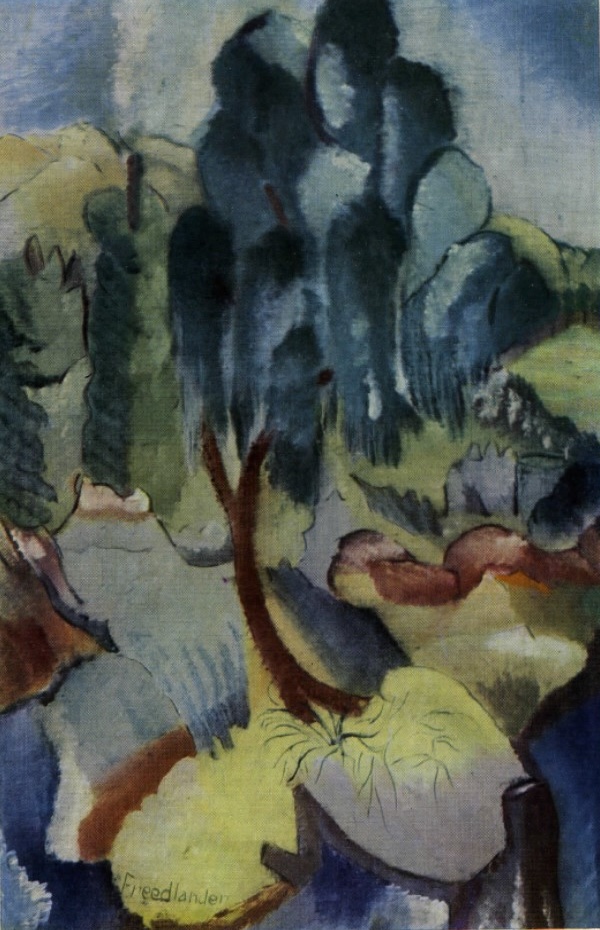
“Let’s Talk of Interesting People”:
The Story of Erna Friedländer (1890-1979)
With Noit Banai, PhD, Hong Kong, and Ketul Arnold, Boulder (Colorado)ONLINE VA, United StatesThis presentation by Noit Banai, PhD, Hong Kong, and Ketul Arnold, Boulder (Colorado), traces Erna Friedländer‘s unique journey as a German refugee who survived Nazi persecution and World War II in Hong Kong, and subsequently migrated to England, Israel, and the USA. Image above: Erna Friedländer, Chinese Landscape. Undated. Monotype. Courtesy The Studio: An Illustrated Magazine of Fine and Applied Art, London As a German refugee who survived World War II in Hong Kong, and subsequently migrated to England, Israel, and the USA, Erna Friedländer’s journey is unique among the many histories of Jewish dispossession. Though few traces remain of Friedländer artistic oeuvre, she was a thoroughly modernist artist. Painter, printmaker, and teacher at the [...]
Free -
-
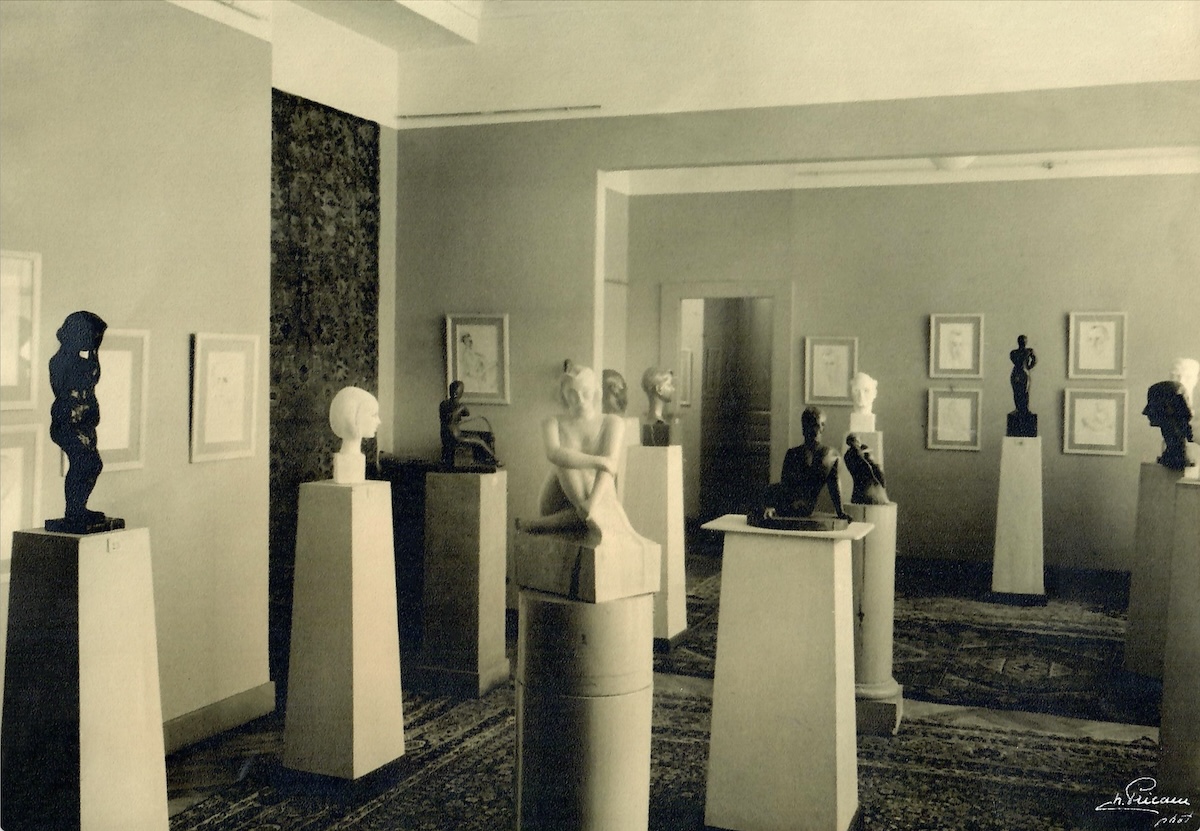
Sculpting a Life: Chana Orloff during Occupation, Escape, Exile, Return (1938-1949)
Presentation by Paula J. Birnbaum, San Francisco (CA)ONLINE VA, United StatesThis talk analyzes the Ukrainian born French sculptor Chana Orloff’s (1888-1968) perseverance and tremendous sacrifices during World War II, when the Nazis came to her studio, stole much of her work, and brutally vandalized what they left behind. Her tenacity led to her narrow and difficult escape from Paris first to the south of France and then on to Geneva with her young adult son, who was disabled. The presentation explores how Orloff managed her life and career under Nazi Occupation in Paris for two years, when she was among the many French and foreign-born Jews banned from public spaces, forced to observe a curfew and wear the yellow armband with the Star of David and the word “Juif” [...]
Free -
-
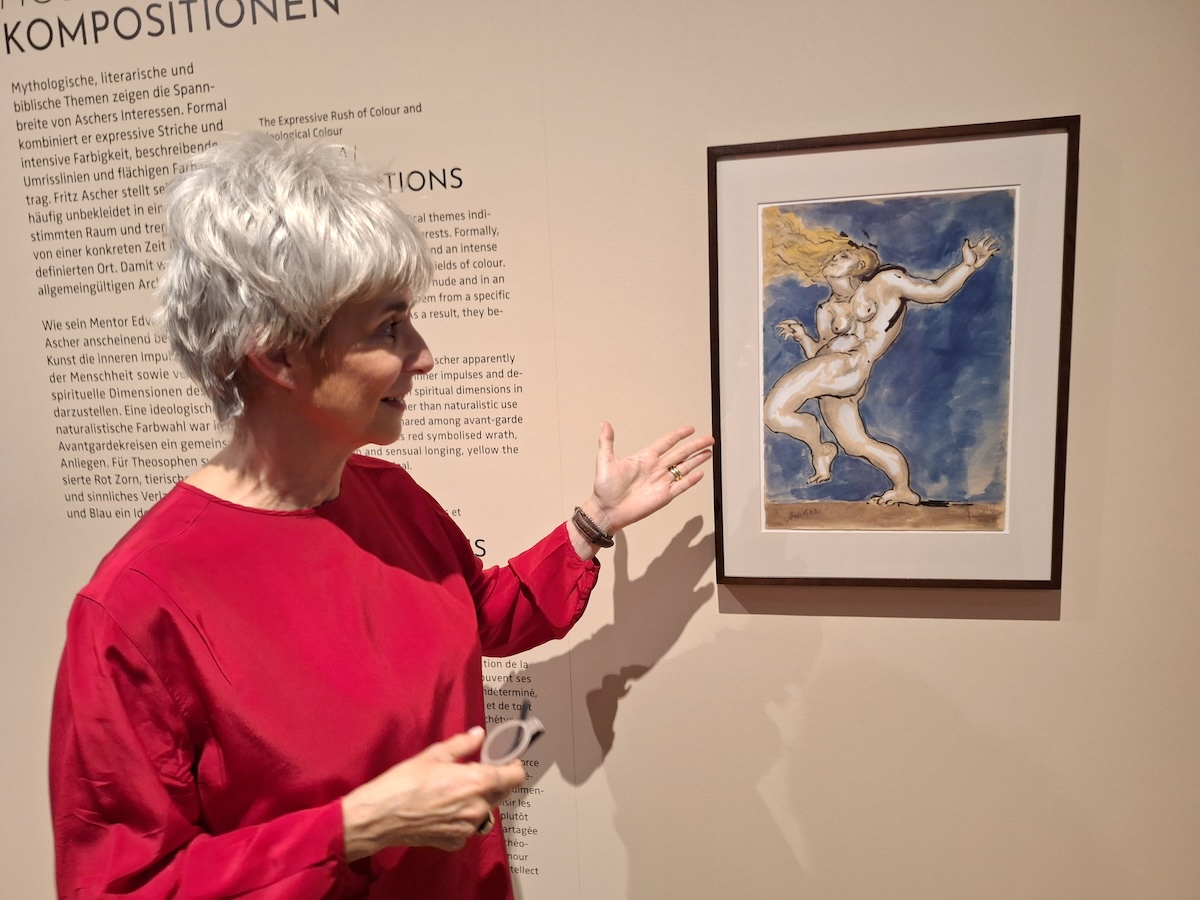
Fritz Ascher in Berlin – eine Spurensuche
Kurzvortrag und Führung von Rachel Stern, New York
Augustinermuseum, Haus der Graphischen Sammlung, FreiburgAugustinermuseum Augustinerplatz, Freiburg im BreisgauDer spätexpressionistische Künstler Fritz Ascher (1893-1970) überlebte zwei Weltkriege und die Verfolgung durch das nationalsozialistische Regime. Als aufmerksamer Beobachter der Schrecken des Ersten Weltkriegs und der revolutionären Unruhen wandte er sich christlich-spirituellen Themen zu, die er radikal neu interpretierte. In intimen Zeichnungen beschäftigte er sich ab 1916 mit dem Thema Liebe und Verrat, sowohl in seiner Auseinandersetzung mit dem Kreuzigungsthema als auch mit der Figur des Bajazzo in der tragikomischen Oper „I Pagliacci“. Kurzvortrag und Führung von Rachel Stern zeigen den Künstler in seinem sozialen und politischen Umfeld. Image above: Fritz Ascher, Im Wald, um 1919. Weisse Gouache und schwarze Tusche über Aquarell und Bleistift auf Papier, 34 x 32,2 cm © Bianca Stock The late expressionist [...]
$8 -
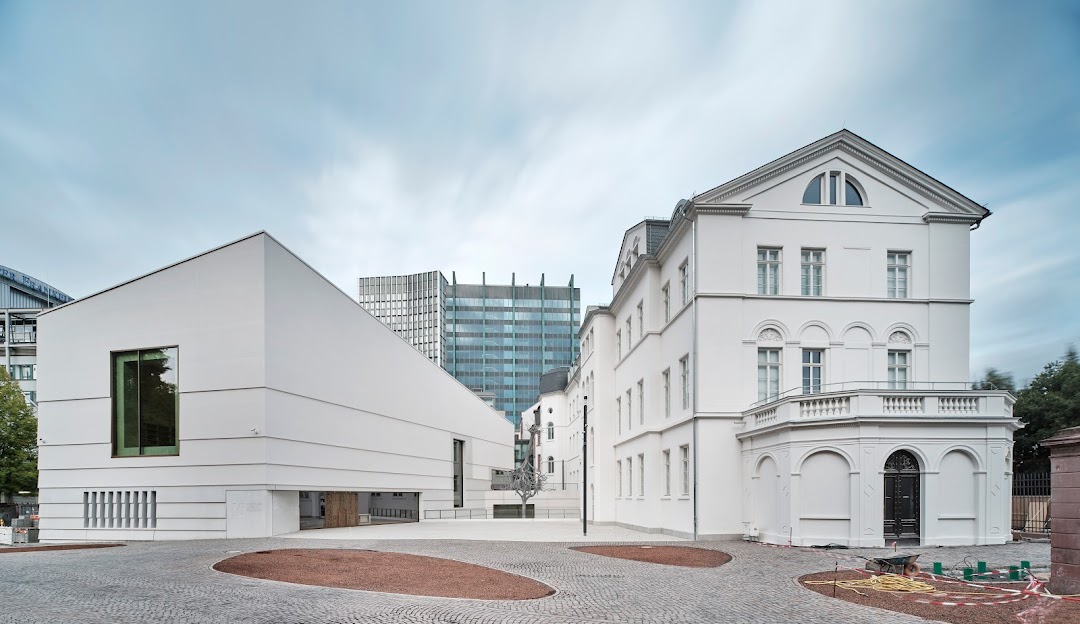
Liebe und Verrat: Fritz Ascher
Kurator Erik Riedel im Gespräch mit Rachel Stern
Jüdisches Museum Frankfurt (Germany)Jewish Museum Frankfurt Bertha-Pappenheim-Platz 1, Frankfurt am Main, GermanyDer Maler, Grafiker und Dichter Fritz Ascher (1893-1970) wurde bereits als 16-Jähriger von Max Liebermann an die Akademie in Königsberg empfohlen. Ab 1913 gehörte er zu den gefragten Malern in Berlin. Er war ein genauer Beobachter seiner Zeit; die Urkatastrophe des Ersten Weltkriegs und die revolutionären Unruhen in Berlin führten ihn zu christlichen und mystischen Themen, die er radikal neu interpretierte. Nach 1933 erhielt Ascher als Jude Berufsverbot. Während der Pogrome am 9./10. November 1938 wurde er verhaftet und im Konzentrationslager Sachsenhausen und im Potsdamer Gestapo-Gefängnis interniert. Die Schoa überlebte er ab 1942 versteckt in einem Keller in Berlin-Grunewald. Während dieser einsamen Jahre verfasste er Gedichte. Als Künstler fand Ascher nach 1945 seinen ganz eigenen Stil. Angeregt vom nahe [...]
$10 -
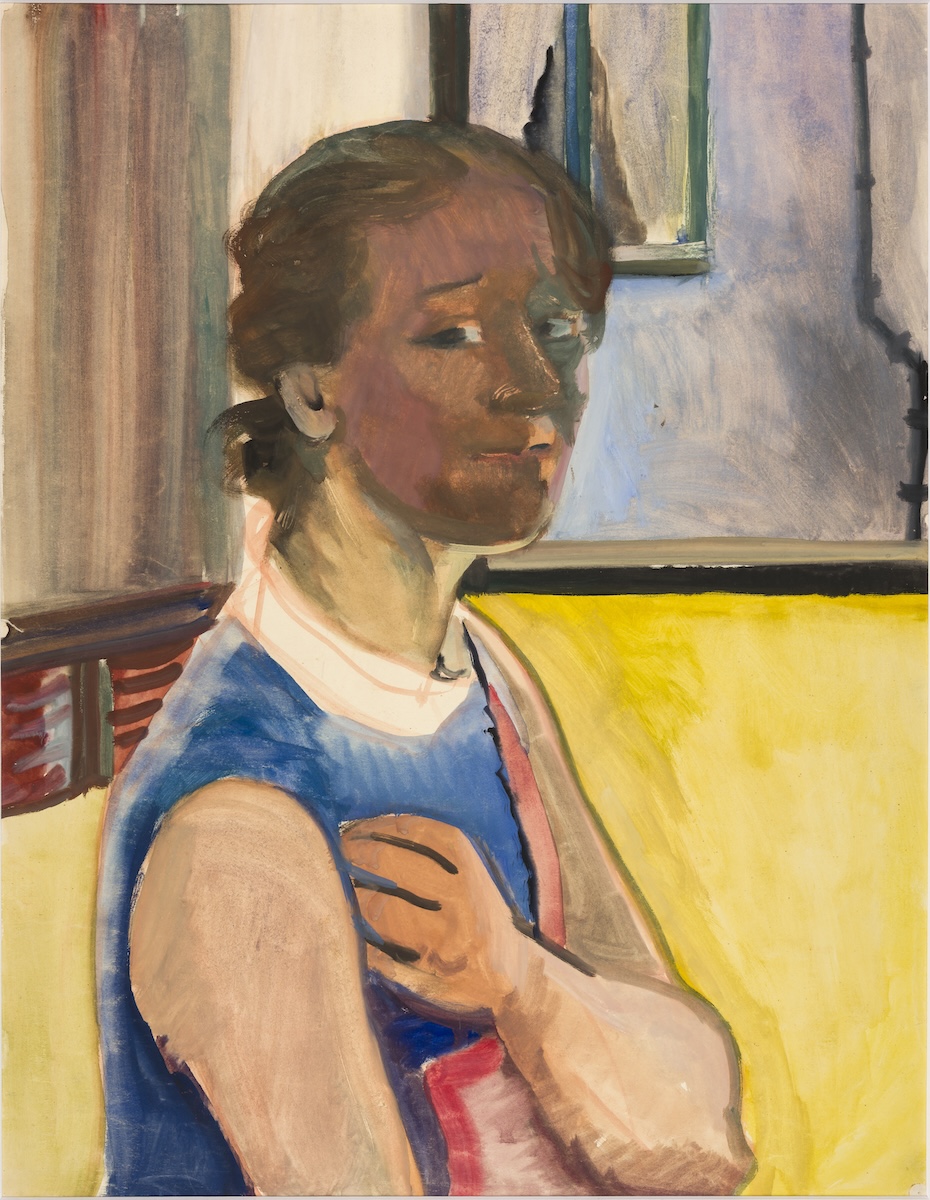
Felka Platek – Artist and Companion of the Painter Felix Nussbaum
Presentation by Anne Sibylle Schwetter, Osnabrück (Germany)ONLINE VA, United StatesFelka Platek (1899 Warsaw – 1944 Auschwitz) came to Berlin from Warsaw in the early 1920s to become a painter. In 1932 she followed her friend and later husband Felix Nussbaum (1904 Osnabrück – 1944 Auschwitz) to Italy. In 1935 they decided to go into exile in Belgium. However, neither of them could escape persecution by the Nazis. They were captured in their hiding place in Brussels on June 21, 1944 and murdered in Auschwitz shortly afterwards. Image above: Felka Platek, Self-portrait in front of an open window, around 1940. Gouache on drawing paper, 65 x 49.7 cm. Felix-Nussbaum-Haus at Museumsquartier Osnabrück, on permanent loan from the Felix Nussbaum Foundation, photo © Felix-Nussbaum-Haus Osnabrück Anne [...]
Free