
Events
-
-
The Missing Archive:
Bauhaus Designers and the Holocaust.
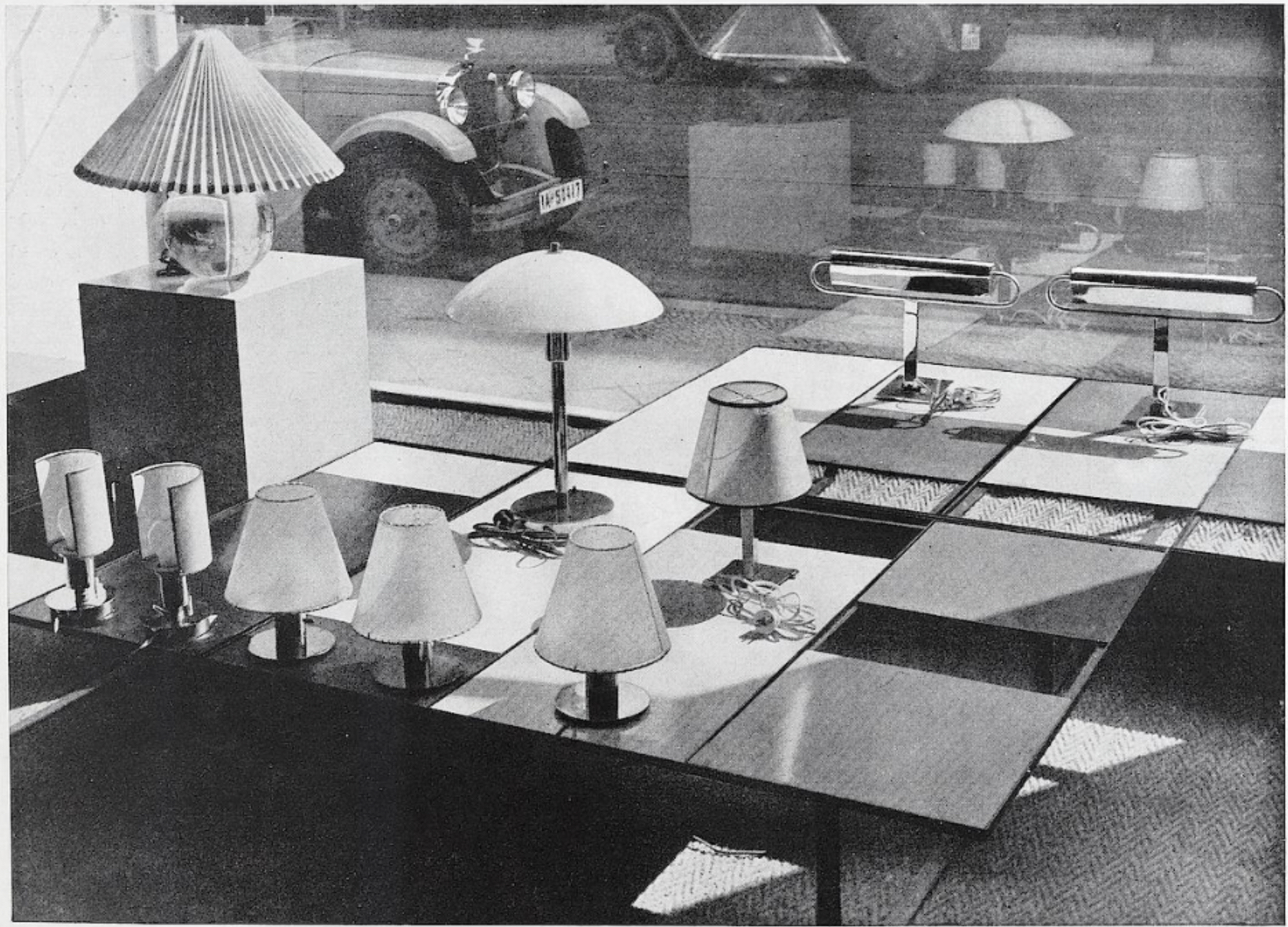
Presentation by Elizabeth Otto, PhD, Buffalo, NYONLINE VA, United StatesHistories of Germany’s Bauhaus art and design school (1919–33) usually position it exclusively as a movement in exile as soon as the Nazis took power in 1933. In fact, the vast majority of its members remained and embraced Nazism, survived it, or became its victims. In this talk, art historian Elizabeth Otto scrutinizes traces of the work and lives of Bauhäusler who, through their imprisonment and often deaths in the concentration-camp system, have largely been lost to the history of the Bauhaus movement. Using archival sources—often scant materials preserved by family members and friends, including documents, photographs, and private memoirs—she reconstructs aspects of these artists’ work and lives and considers how to write the histories that Nazi violence has taken from [...]
Free -
-
THE RESTLESS HUNGARIAN
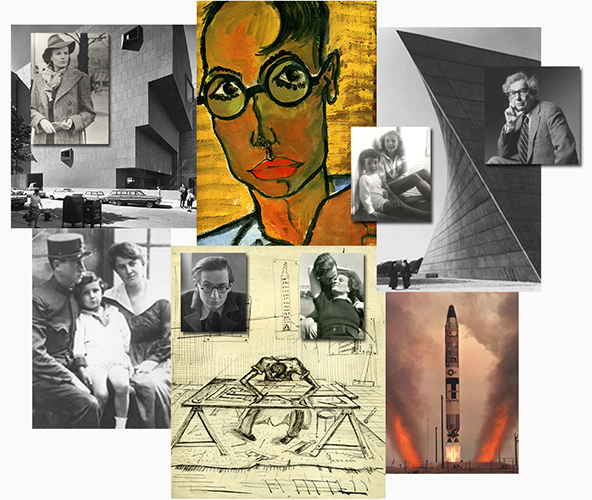
Conversation with Film Director Tom WeidlingerONLINE VA, United StatesThe Restless Hungarian (2021) is a personal narrative set against the backdrop of the Hungarian Jewish diaspora, the rise of Modernism, and the Cold War. The film centers on Paul Weidlinger, one of the most important structural engineers of the twentieth century who created the strength behind iconic skyscrapers, churches, museums, embassies, and monumental sculptures by Picasso, Noguchi, and Dubuffet. Early in his career, he broke from mainstream modernism with his concept of the “Joy of Space”. Behind his professional success, however, was a deeply troubled private life marked by loss, denial, and family tragedy. As the filmmaker—his son—begins to explore Paul’s past, the story shifts into a deeply personal journey across continents, uncovering hidden Jewish roots and the family’s [...]
Free -
-
Visibility Practices: Women Photographers of the Bauhaus
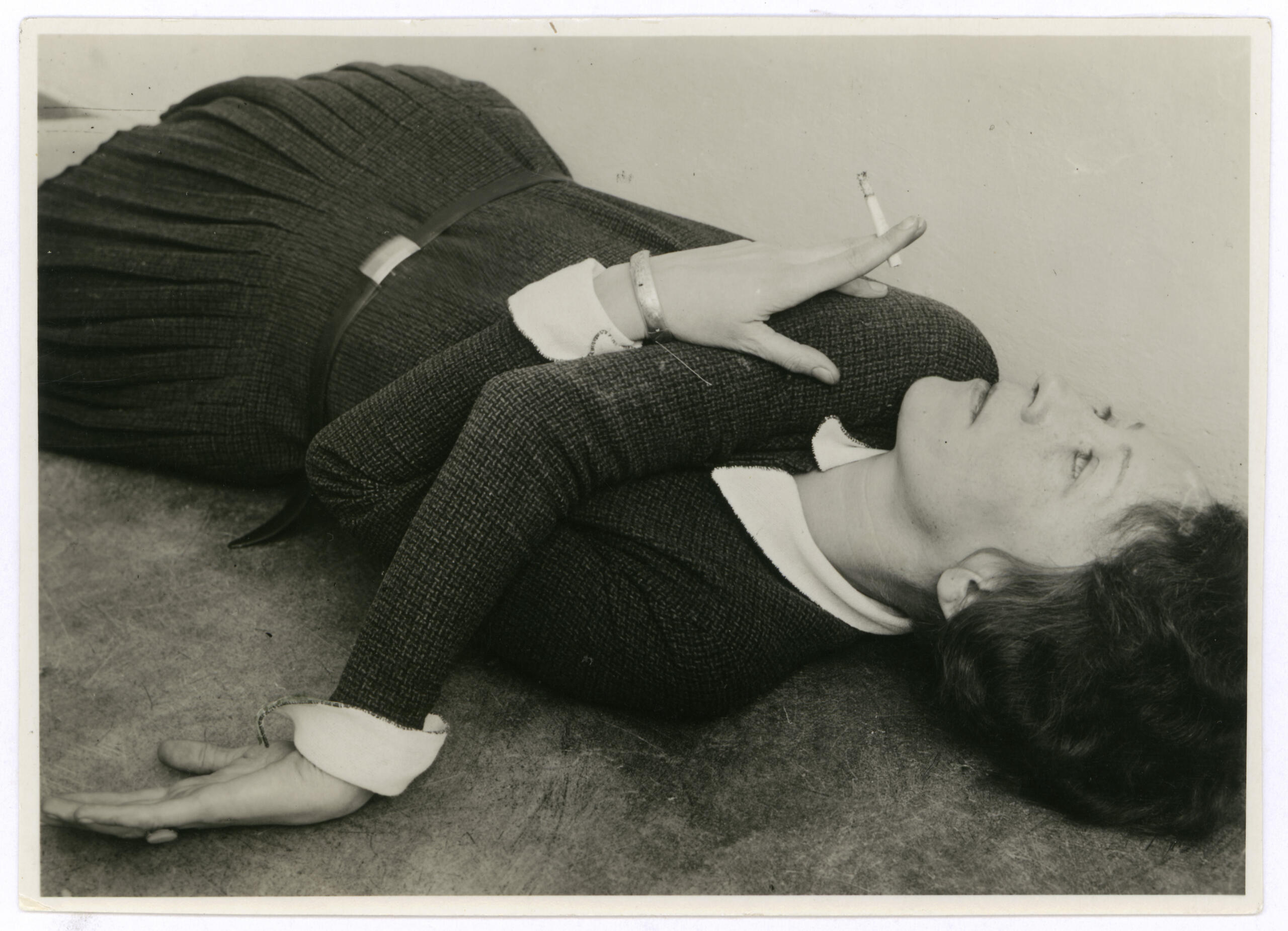
Presentation by Carla Maria Huttenloher, Berlin (Germany)ONLINE VA, United StatesIn this presentation, Carla Maria Huttenloher brings women’s photographic agency to the forefront of the Bauhaus story, uncovering the rich and long-underexplored links between their lives and their powerful bodies of work. Image above: Grit Kallin-Fischer, Self-portrait with cigarette, around 1928. Courtesy Bauhaus-Archiv Berlin . Women have worked behind the camera since photography’s beginnings, but their contributions have been sidelined in art‑historical narratives. The Bauhaus offers a clear case: during the Weimar Republic women engaged with and shaped photographic modernism in multiple ways, yet their work is insufficiently acknowledged to date. In the 1920s and early 1930s, the social figure of the New Woman — ideologically linked to greater independence, professional [...]
Free