

Under Il Duce’s Shadow:
Italian Art and Artists During the Fascist Regime
Presentation by Nicola Lucchi, PhD, New York (NY)
January 14, 2026 @ 12:00 pm - 1:00 pm
| FreeItalian artistic life under Mussolini was defined less by rigid prescriptions than by a continuous negotiation between competing aesthetic and political demands. Italy, the birthplace of Futurism, had long experimented with modernist innovation, and elements of that movement’s rhetoric and visual language found sympathetic audiences within the fascist state. At the same time, powerful factions within the regime promoted a return to classicism, academicism, and the revival of Italy’s artistic past. The government’s cultural policy therefore oscillated between these poles, attempting to reconcile—and ultimately absorb—contradictory artistic currents into the fascist body politic.
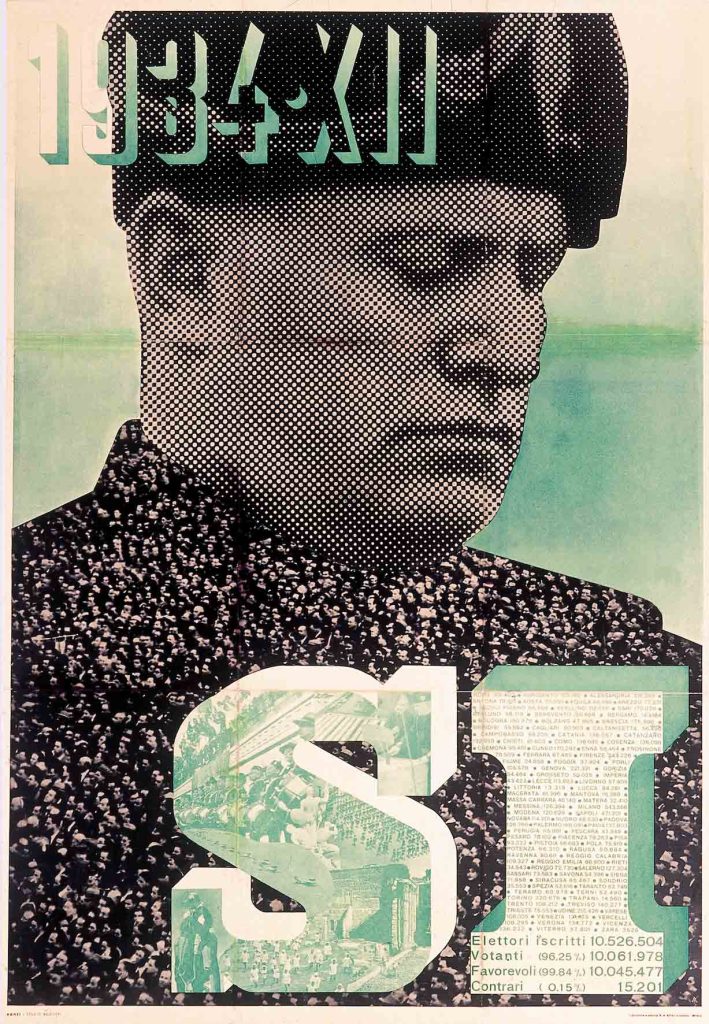
Image above: Xanti Schawinsky, Sì , 1934.
Artists responded in very different ways: some worked with the regime because, at the time, doing so appeared professionally necessary or even desirable; others chose open or quiet forms of opposition, decisions that carried real risks in the moment, including prison and internal exile, but would later be understood quite differently. A few fled the country, in search of opportunities and freedom from political oppression, especially after the racial laws of 1938.
Xanti Schawinsky, Sì , 1934 (Courtesy Fondazione Massimo e Sonia Cirulli, Bologna)
Unlike the Nazi regime, which defined “degenerate art” with brutal clarity, Italian fascism often tolerated or co-opted modernism, creating a murky moral and professional environment for an entire generation of intellectuals and creative individuals. Everyone, at one point or another, paid a price for this political climate. This talk examines how careers were made, unmade, or permanently marked by the choices artists faced in a system that sought to enlist every form of expression in its political project.
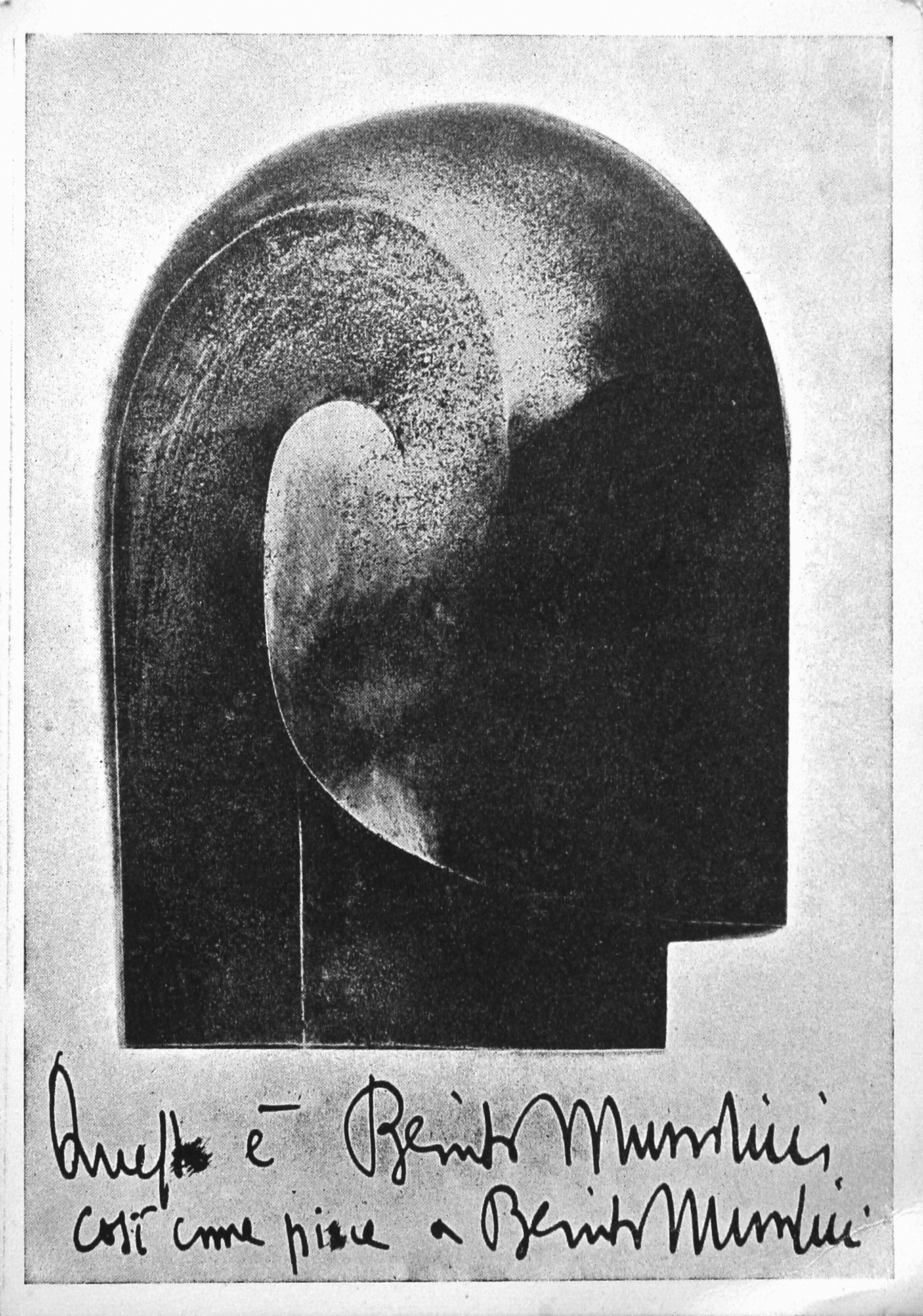
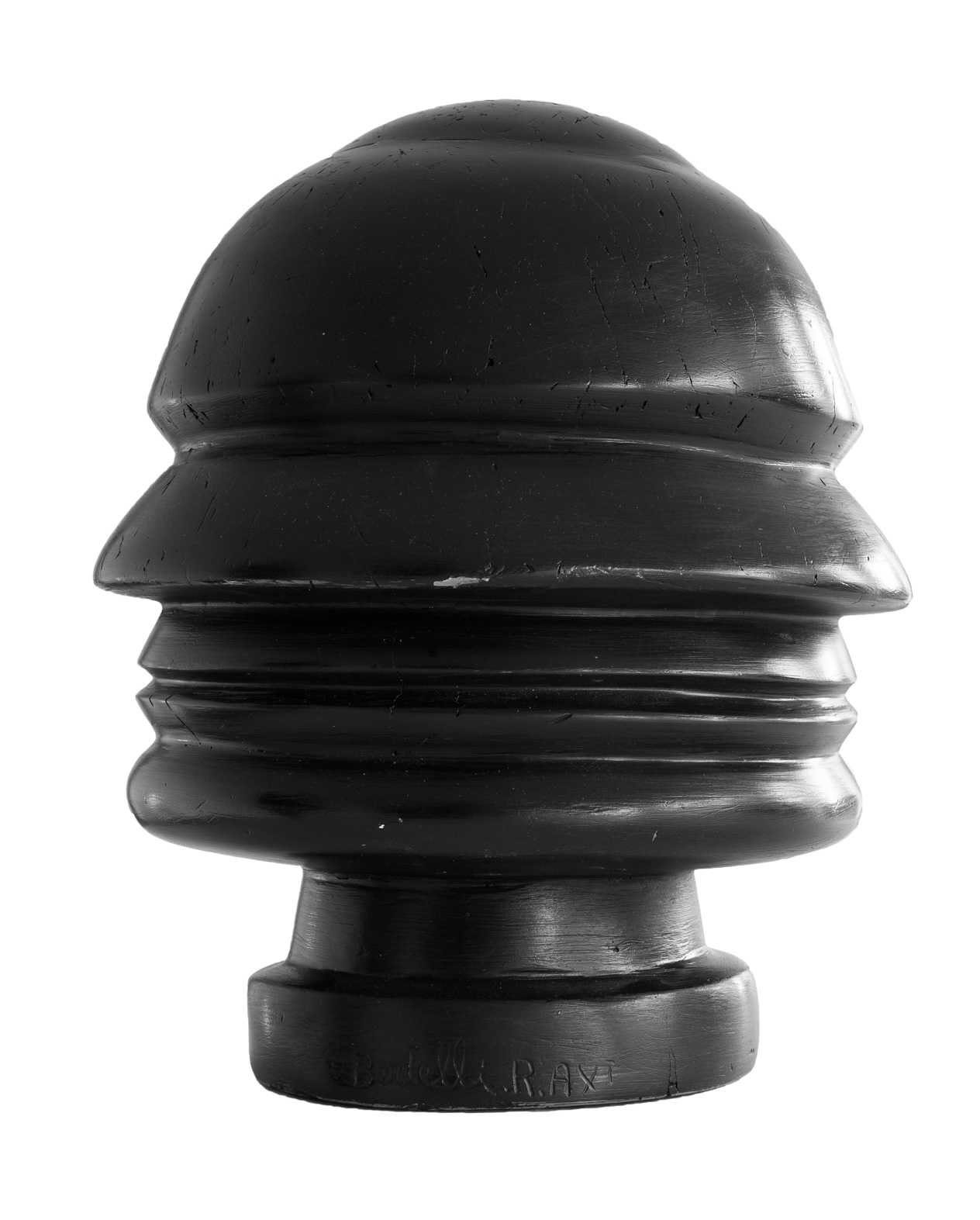
Postcard reproduction of Dux by Thayaht, 1929 (Courtesy Fondazione Massimo e Sonia Cirulli, Bologna)
This event is part of the online series Flight or Fight. stories of artists under repression.
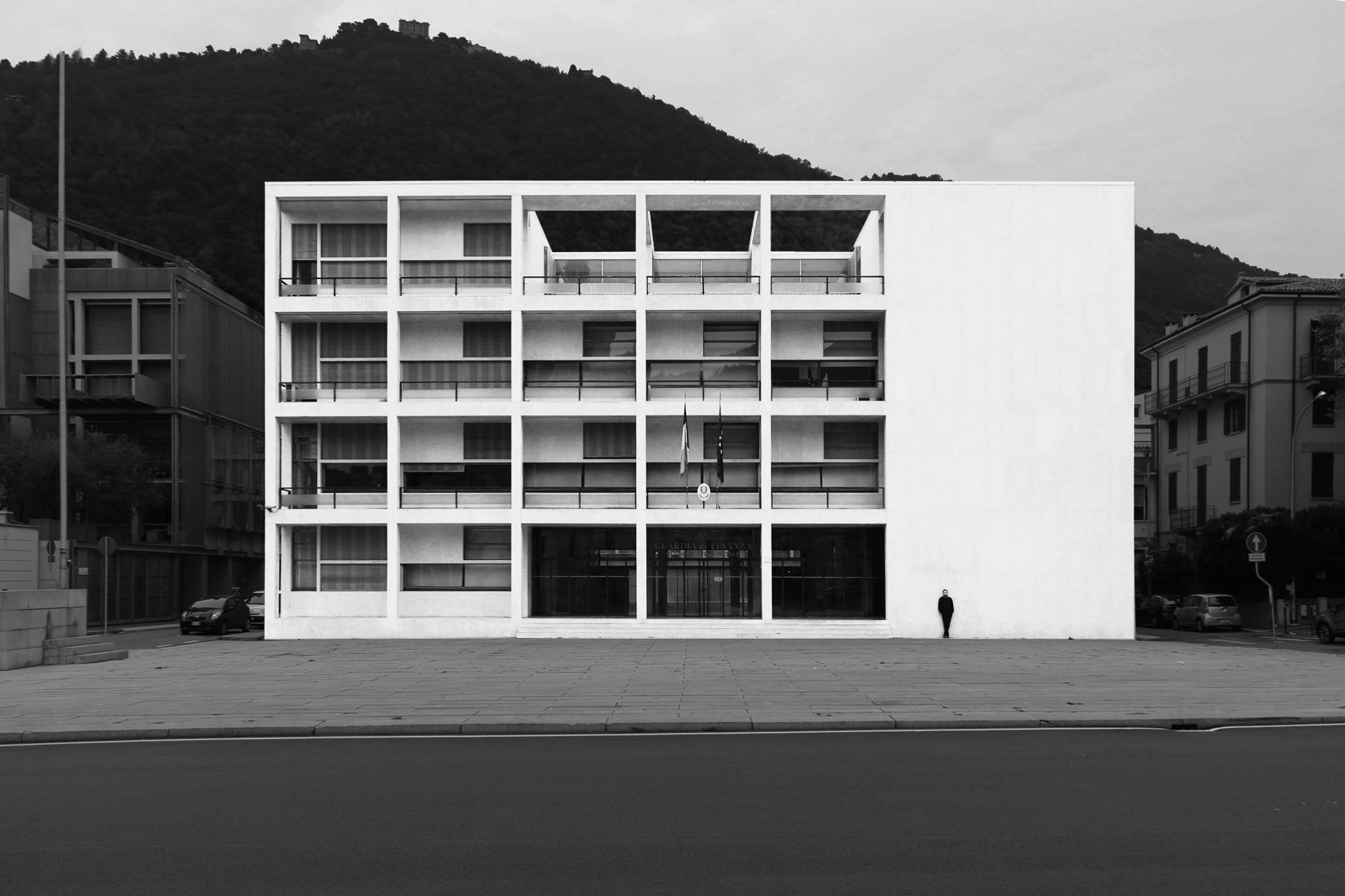
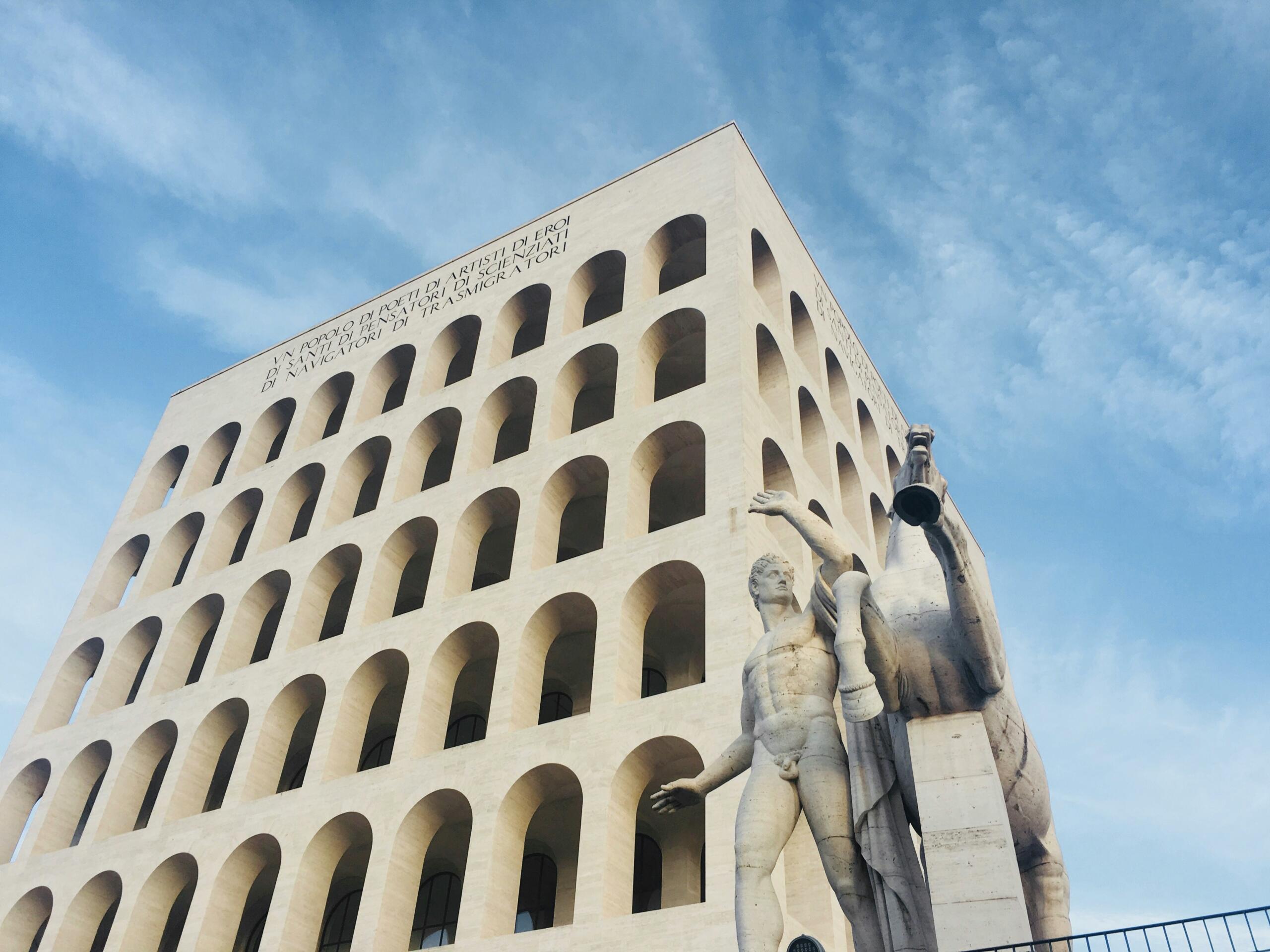
Giuseppe Terragni, Casa del Fascio, Como, 1932-1936 (Photo by Danny Alexander Lettkemann, Architekt, Public domain, via Wikimedia Commons)