

Visibility Practices: Women Photographers of the Bauhaus
Presentation by Carla Maria Huttenloher, Berlin (Germany)
July 22, 2026 @ 12:00 pm - 1:00 pm
| FreeIn this presentation, Carla Maria Huttenloher brings women’s photographic agency to the forefront of the Bauhaus story, uncovering the rich and long-underexplored links between their lives and their powerful bodies of work.
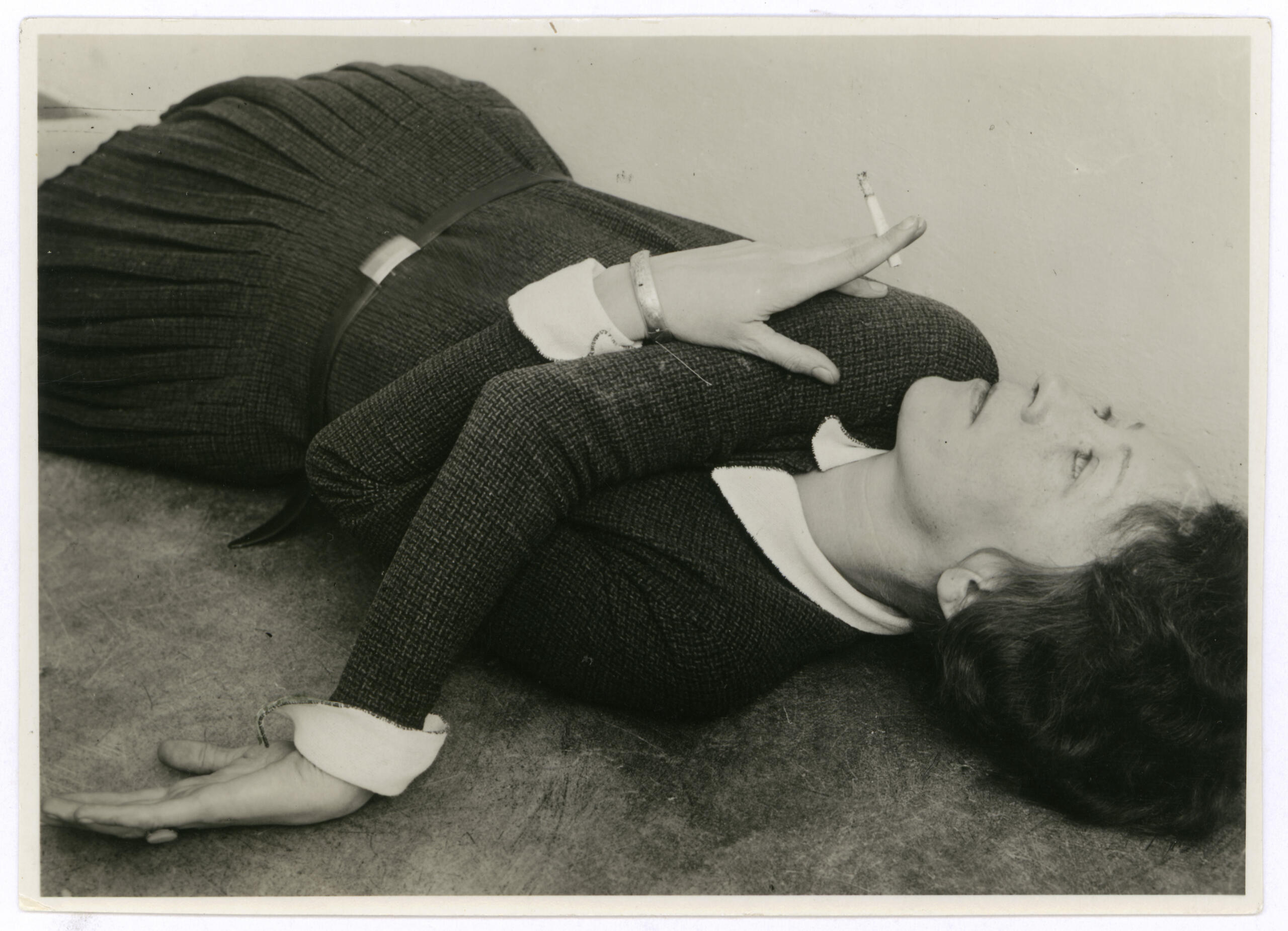
Image above: Grit Kallin-Fischer, Self-portrait with cigarette, around 1928. Courtesy Bauhaus-Archiv Berlin
Women have worked behind the camera since photography’s beginnings, but their contributions have been sidelined in art‑historical narratives. The Bauhaus offers a clear case: during the Weimar Republic women engaged with and shaped photographic modernism in multiple ways, yet their work is insufficiently acknowledged to date. In the 1920s and early 1930s, the social figure of the New Woman — ideologically linked to greater independence, professional visibility, and new sartorial and social freedoms — converged with the experimental aesthetics of the New Vision, so that photography became for many modern women a means of self‑representation and social participation. At the Bauhaus, students and associates responded to László Moholy‑Nagy’s teachings and to the school’s emphasis on technical experimentation, and numerous women studied, practiced, or produced photographic projects there; nevertheless, their careers and oeuvres have often been treated as peripheral in the canon.
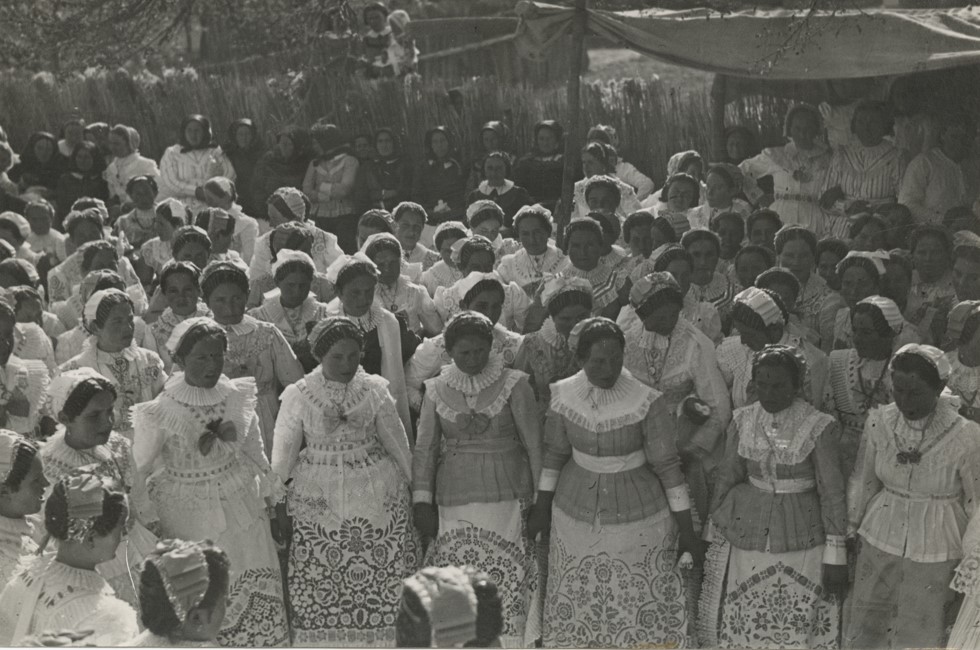
Hilde Hubbuch, Women in traditional attire, 1930s. Courtesy Bauhaus-Archiv Berlin
Beyond the school, many Bauhaus‑affiliated women practiced photography professionally: the medium’s growing importance for magazines, advertising, and documentary projects opened routes to travel, commissions, and public visibility, enabling independent engagement with social life and making these women sharp observers of life. At the same time, the political visibility of some women photographers — through socially engaged reportage and avant‑garde affiliations — made their positions precarious after 1933, contributing to exile, displacement, or the disruption of careers; the history of Bauhaus women is therefore also a history marked by fight and flight.

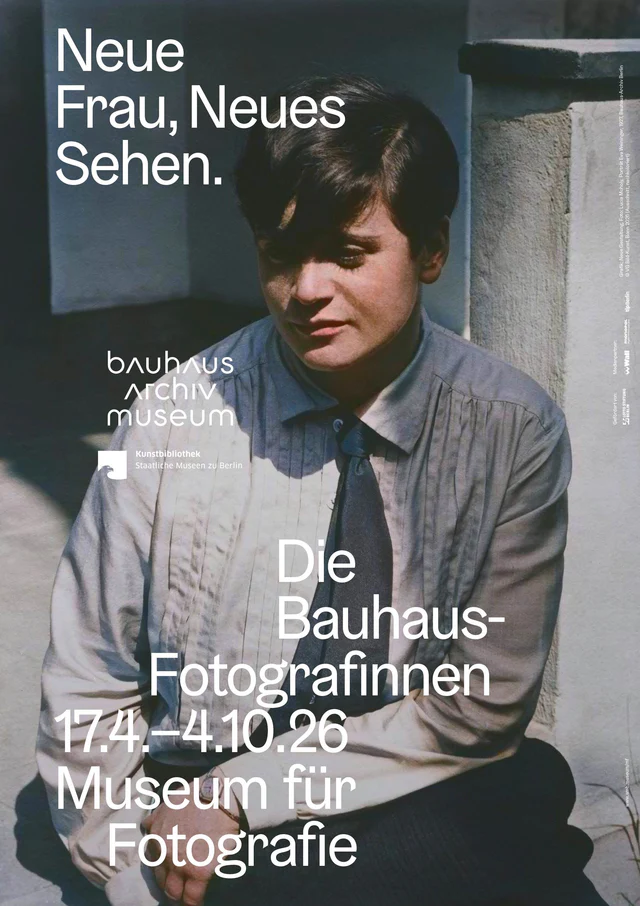
Carla Maria Huttenloher is a scholar of art and imagery, focusing on modernism, photographic media, research-based art and digital imagery. She studied history of art and visual studies in Munich and Berlin, obtaining a Master of Arts. She is currently serving as assistant curator for the exhibition project New Woman, New Vision. Women Photographers of the Bauhaus, which opened at the Museum of Photography in Berlin in April 2026.
This event is part of the online series “Flight or Fight. stories of artists under repression.”
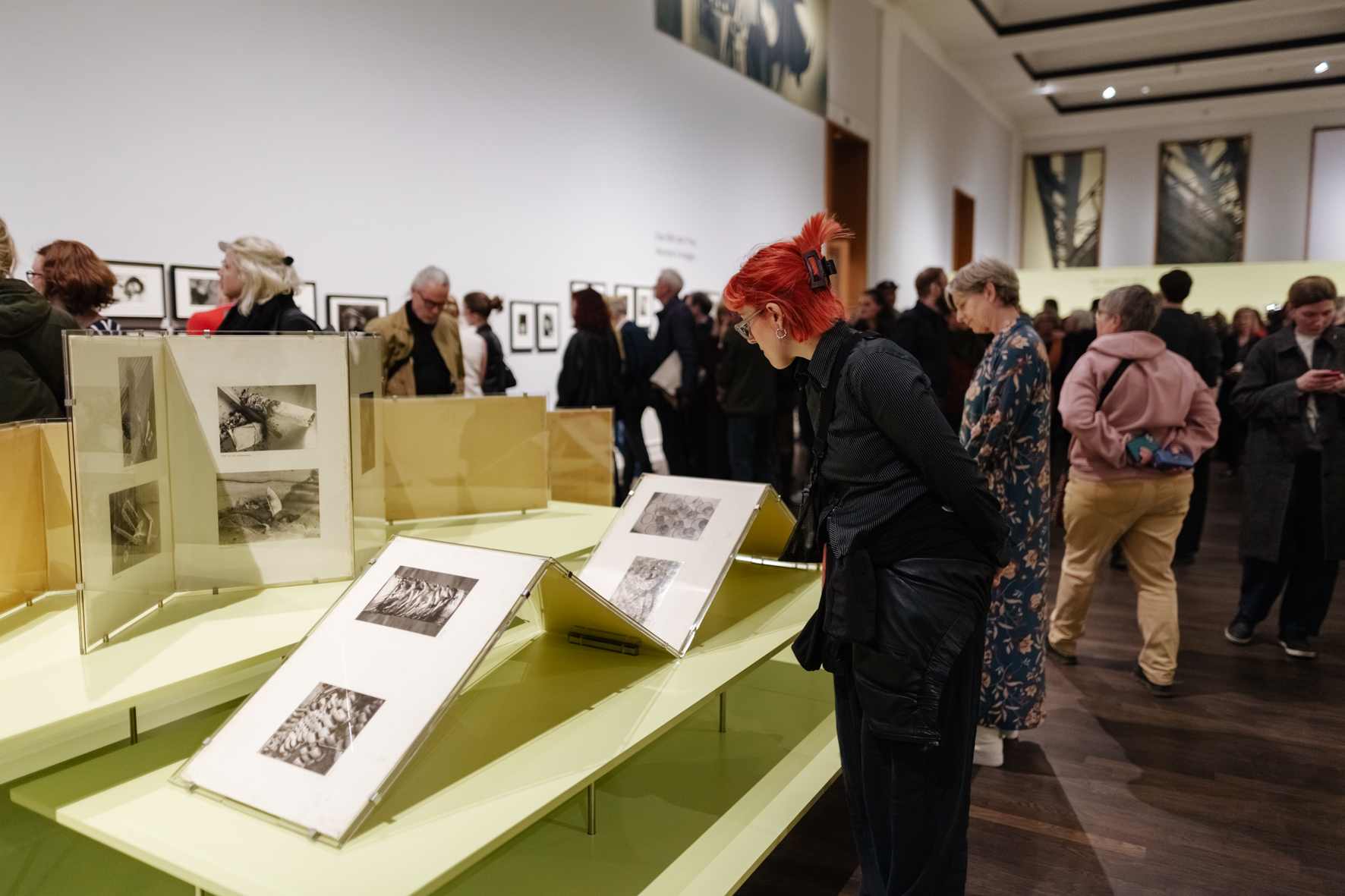
The exhibition New Woman, New Vision. Women Photographers of the Bauhaus (17 April–4 October 2026, Museum für Fotografie, Berlin) foregrounds these women photographers of the Bauhaus and their range of practices — from studio portraiture and formal experiments to documentary and publication work — centering women’s photographic agency within the Bauhaus context. While some figures, such as Lucia Moholy and Marianne Brandt, are familiar to those in the know, many others represented in the show — for example Etel Mittag‑Fodor, Hilde Hubbuch, Ise Gropius and Grit Kallin‑Fischer — remain almost unknown outside archival holdings, leaving constellations between careers and bodies of work underexplored while falling outside dominant narratives.