Events
-
-
The Art of Marc Klionsky:
Shaping a Three-World Condition from Minsk to New York
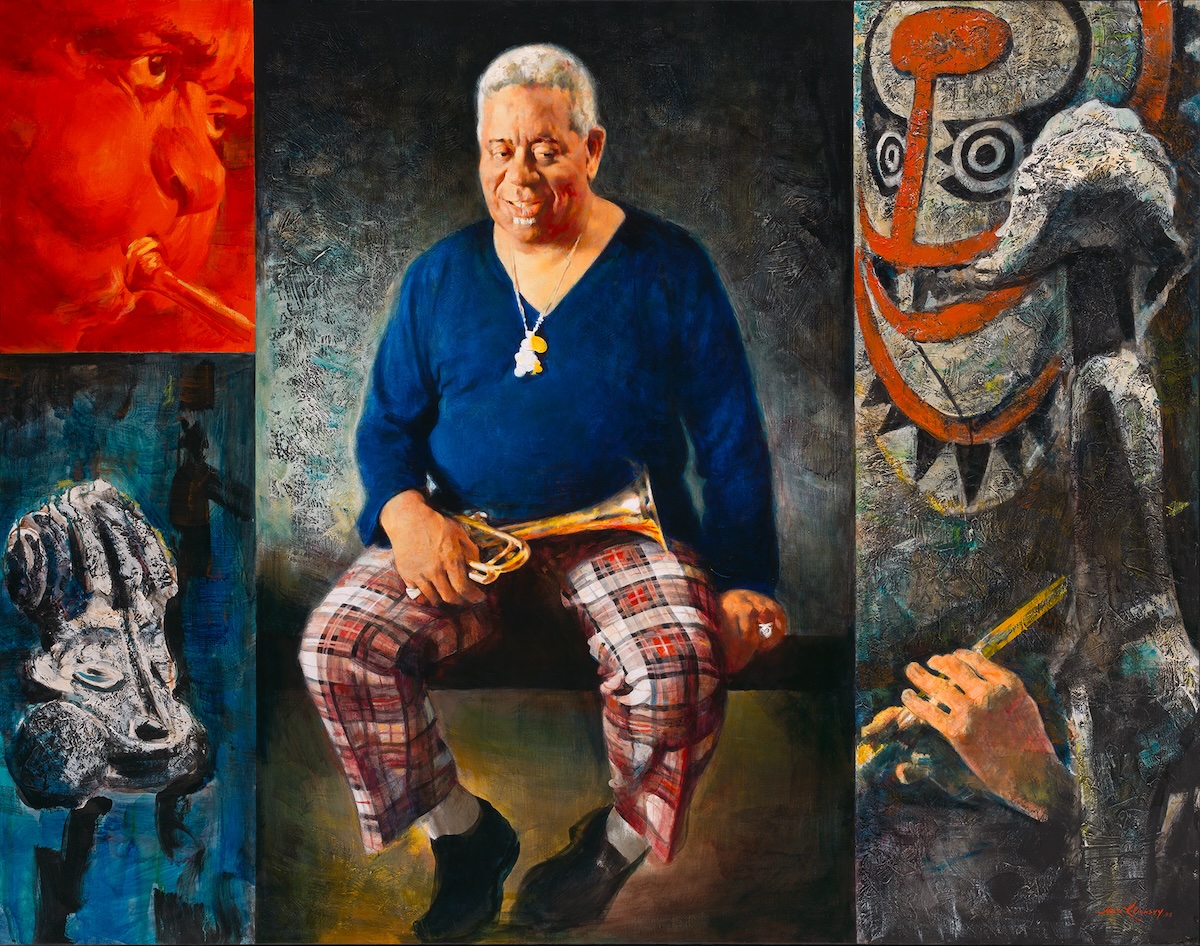
Lecture by Ori Z Soltes and conversation with daughter Nadia KlionskyONLINE VA, United StatesIn this program Georgetown University professor and author, Ori Z Soltes, explores Marc Klionsky's life and work, in part through conversation with his daughter, the scholar and artist, Nadia Klionsky. Image above: Marc Klionsky, Dizzie Gillespie: The Man and his Trumpet, 1988. Oil on canvas, 52 x 66 inches. National Portrait Gallery, Washington, DC. This exciting program features the paintings of Marc Klionsky (1927–2017). Born in the Soviet Union, Klionsky managed to navigate what has been called a “two-world condition”—creating the particularized Soviet Socialist Realist work that was acceptable to the Stalinist and post-Stalinist State while allowing his soul to reveal itself in work that only a very few trusted viewers might see. As [...]
Free -
„I’m always on the go…” –
The painter Franz Domscheit / Pranas Domšaitis (1880-1965)
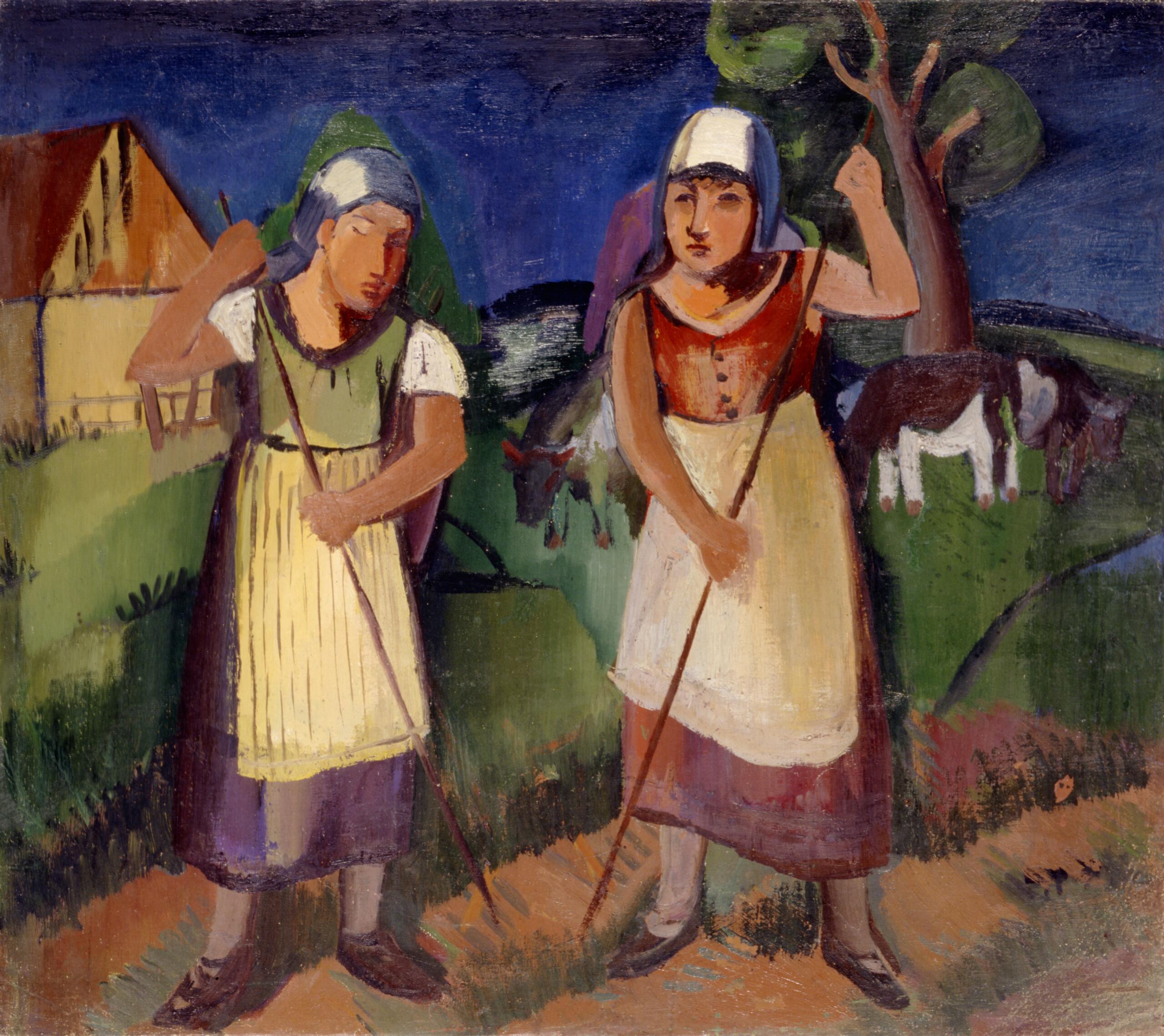
Lecture by Jan Rüttinger, Lüneburg (Germany)ONLINE VA, United StatesSearching, wandering, not arriving - this is how the person and art of Franz Domscheit/Pranas Domšaitis can be characterized. Born into a German-Lithuanian family as the son of a farmer and innkeeper, it was primarily his Lithuanian origins that interested him. The early landscape and cultural impressions of his homeland, Prussian-Lithuania, at the interface of German and Lithuanian culture, shaped his work throughout his life. Landscape is one of the painter's main themes, who is primarily perceived as an expressionist. Image above: Franz Domscheit, Two Peasant Women, 1930s. Oil on canvas. Copyright National Lithuanian Art Museum. Trained at the Königsberg Art Academy by Ludwig Dettmann, among others, Domscheit then moved out into the world. Berlin, [...]
Free -
-
Traces of a Jewish Artist:
The Lost Life and Work of Rahel Szalit (1888–1942)
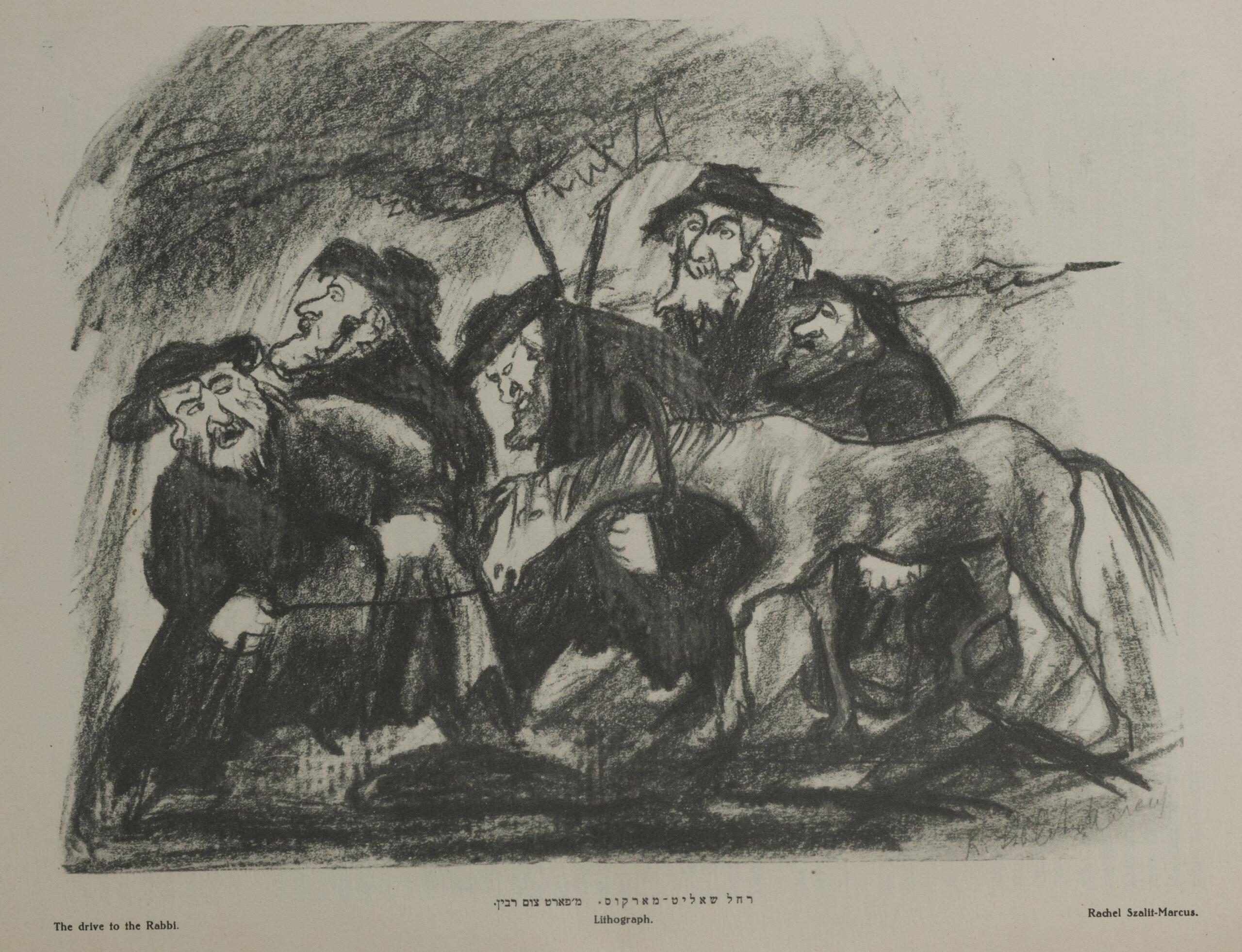
A Book Talk by Kerry Wallach, Gettysburg CollegeONLINE VA, United StatesIn this presentation, Gettysburg College professor and author Kerry Wallach explores the life and work of Rahel Szalit (1888–1942; also: Szalit-Marcus). Szalit was a sought-after illustrator and painter who was active in 1920s Berlin and 1930s Paris. Image above: Rahel Szalit-Marcus, The Drive to the Rabbi, in Milgroym, 1922. Lithograph. Rahel Szalit was among the best-known Jewish women artists in Weimar Berlin. She painted and drew landscapes, Berlin city scenes, animals, and portraits of women, children, and public figures. She produced numerous lithographs and worked in pen and ink, pencil, pastel, chalk, oil paint, and watercolors. Women figured prominently in many scenes, from small-town Jewish life to snapshots of the metropolis. [...]
Free -
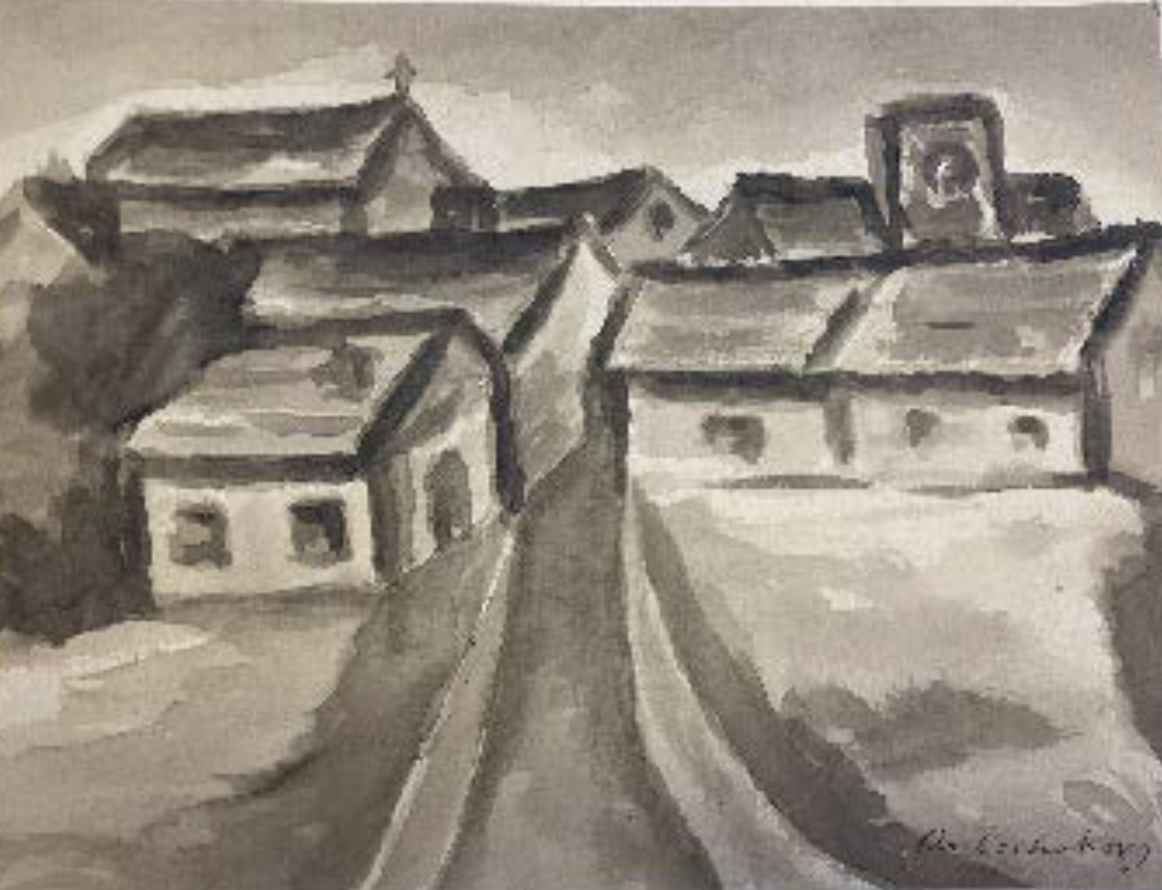
The Miraculous San Francisco Discovery of
Ary Arkady Lochakov’s Lost Art
A Talk by Journalist Julie Zigoris, San FranciscoONLINE VA, United StatesOne sunny May day in 2022—halfway around the world from Paris where the Jewish artist Ary Arkady Lochakov (1892-1941) died of malnutrition in 1941—a miraculous discovery was made. Maintenance staff came upon 48 abandoned artworks in a waterside park, all of them carefully arranged as if they were meant to be discovered. 38 of the 48 artworks all had the same signature: Ary Arkady Lochakov. Port employees researched Lochakov to discover he was a member of the famed École de Paris and was featured in Hersh Fenster's essential book Our Martyred Artists. San Francisco Standard journalist Julie Zigoris was the first (and only) to report the story to the public, following the trail of breadcrumbs to make some incredible [...]
Free -
-
Bruno Schulz (1892-1942):
An Artist, a Murder, and the Hijacking of History
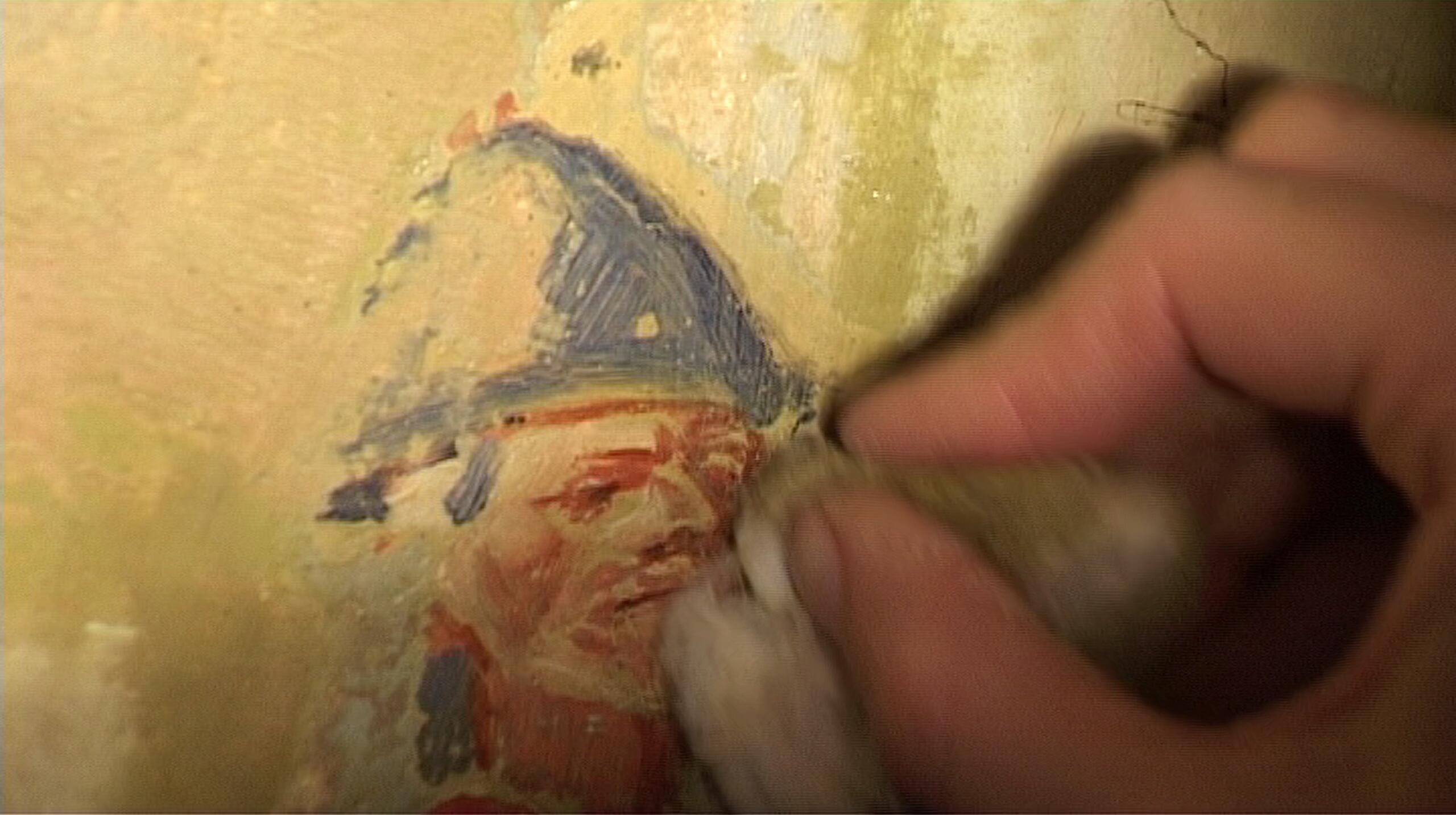
Benjamin Balint and Ori Z Soltes in ConversationONLINE VA, United StatesBenjamin Balint, author of the National Jewish Book Award winning book, and Georgetown University professor Ori Z Soltes in conversation. Bruno Schulz is renowned as a master of twentieth-century imaginative fiction. Isaac Bashevis Singer called him “one of the most remarkable writers who ever lived.” But Schulz was also an exceptionally talented graphic artist whose masochistic drawings would catch the eye of a sadistic Nazi officer. Schulz’s art became the currency in which he bought life. Image above: Bruno Schulz, Mural, 1941-1942. Drohobycz. Discovery Benjamin Geissler, 2001. Drawing on extensive new reporting and archival research, Benjamin Balint chases the inventive murals Schulz painted on the walls of an SS villa—the last traces of his vanished [...]
Free -
The Vel d’Hiv Round-Up:
The Largest Mass Arrest in Wartime French History
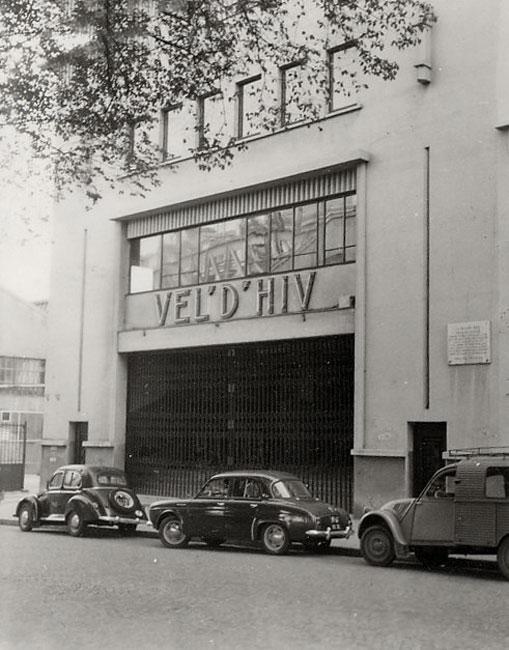
A Presentation by Eileen Angelini, PhDONLINE VA, United StatesOn July 16-17, 1942 in Occupied Paris, more than 13,000 French Jews were arrested by French Police. The victims were held in deplorable conditions at the Vélodrome d'Hiver or Vel d'Hiv, an indoor cycling stadium until they were sent to detainment camps outside of Paris where they either died or were deported to concentration camps. Dr. Eileen Angelini’s presentation will discuss how the Vichy Government planned this round-up and how the French government and people have since dealt with the pain and shame of this traumatic event. Image above: Entrance to the Vel’ d’Hiv (the Winter Stadium, or Velodrome d'Hiver), where Jews were detained en-masse in preparation for their deportation to concentration camps in France. [...]
Free -
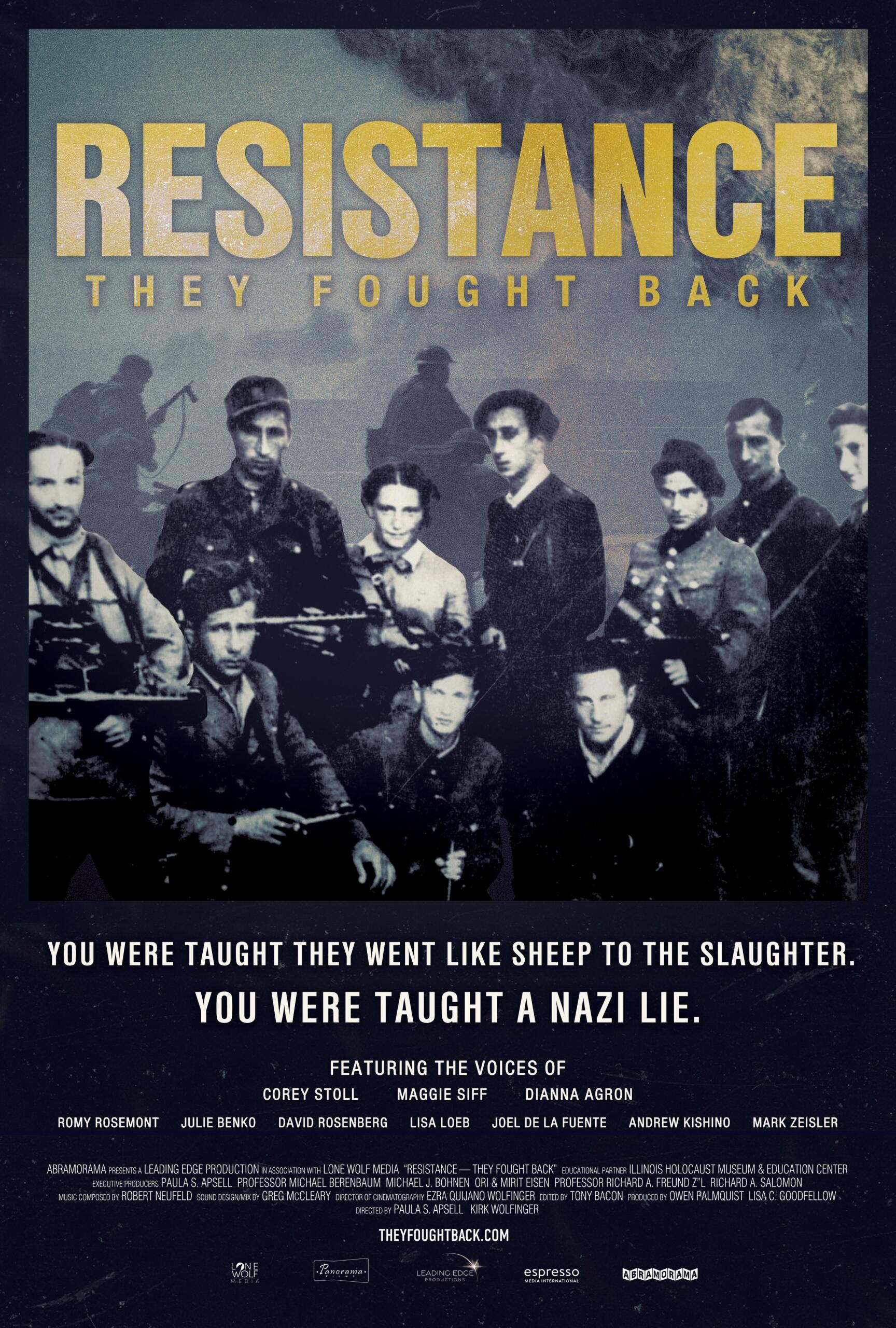
RESISTANCE –
THEY FOUGHT BACK
New York Theatrical ReleaseDCTV Firehouse Cinema for Documentary Film 87 Lafayette Street, New York, NY, United StatesTold by survivors, their children, and expert witnesses from the U.S. Israel, and Europe, Resistance: They Fought Back, is a revelation based on extensive research of how the Jews of Europe fought back. It uncovers evidence of non-violent methods which served as crucial tools of resistance and evolved into Jewish armed revolts in ghettos, forests and death camps, even as the odds of success were vanishingly small. On Monday, April 15, the 7:00pm film screening will be followed by Q&A with director Paula S. Apsell and Avinoa J. Patt, Ph.D., Professor of Holocaust Studies, New York University. Watch the TRAILER here: We’ve all heard of the Warsaw Ghetto Uprising, but most people have no idea [...]
$16.00 -
-
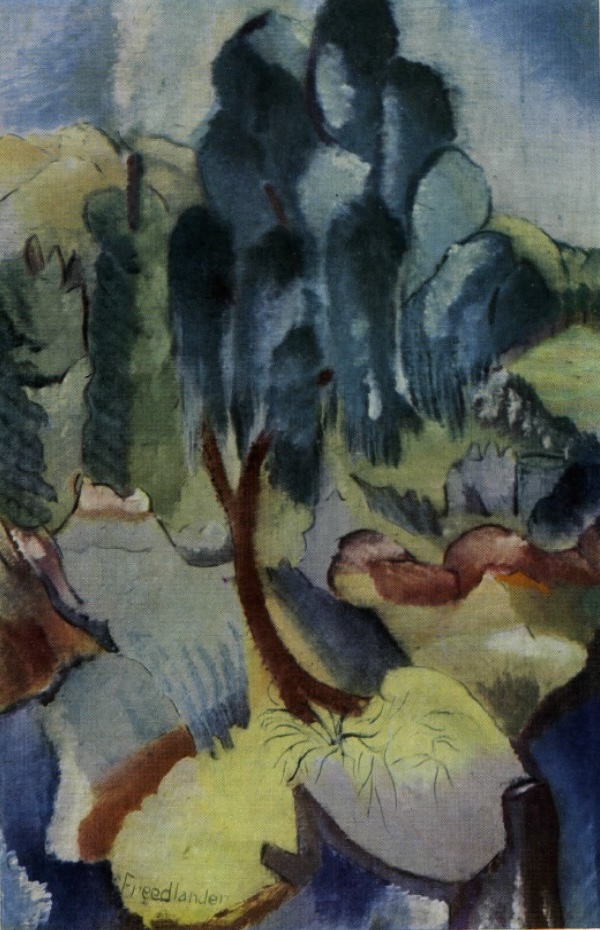
“Let’s Talk of Interesting People”:
The Story of Erna Friedländer (1890-1979)
With Noit Banai, PhD, Hong Kong, and Ketul Arnold, Boulder (Colorado)ONLINE VA, United StatesThis presentation by Noit Banai, PhD, Hong Kong, and Ketul Arnold, Boulder (Colorado), traces Erna Friedländer‘s unique journey as a German refugee who survived Nazi persecution and World War II in Hong Kong, and subsequently migrated to England, Israel, and the USA. Image above: Erna Friedländer, Chinese Landscape. Undated. Monotype. Courtesy The Studio: An Illustrated Magazine of Fine and Applied Art, London As a German refugee who survived World War II in Hong Kong, and subsequently migrated to England, Israel, and the USA, Erna Friedländer’s journey is unique among the many histories of Jewish dispossession. Though few traces remain of Friedländer artistic oeuvre, she was a thoroughly modernist artist. Painter, printmaker, and teacher at the [...]
Free -
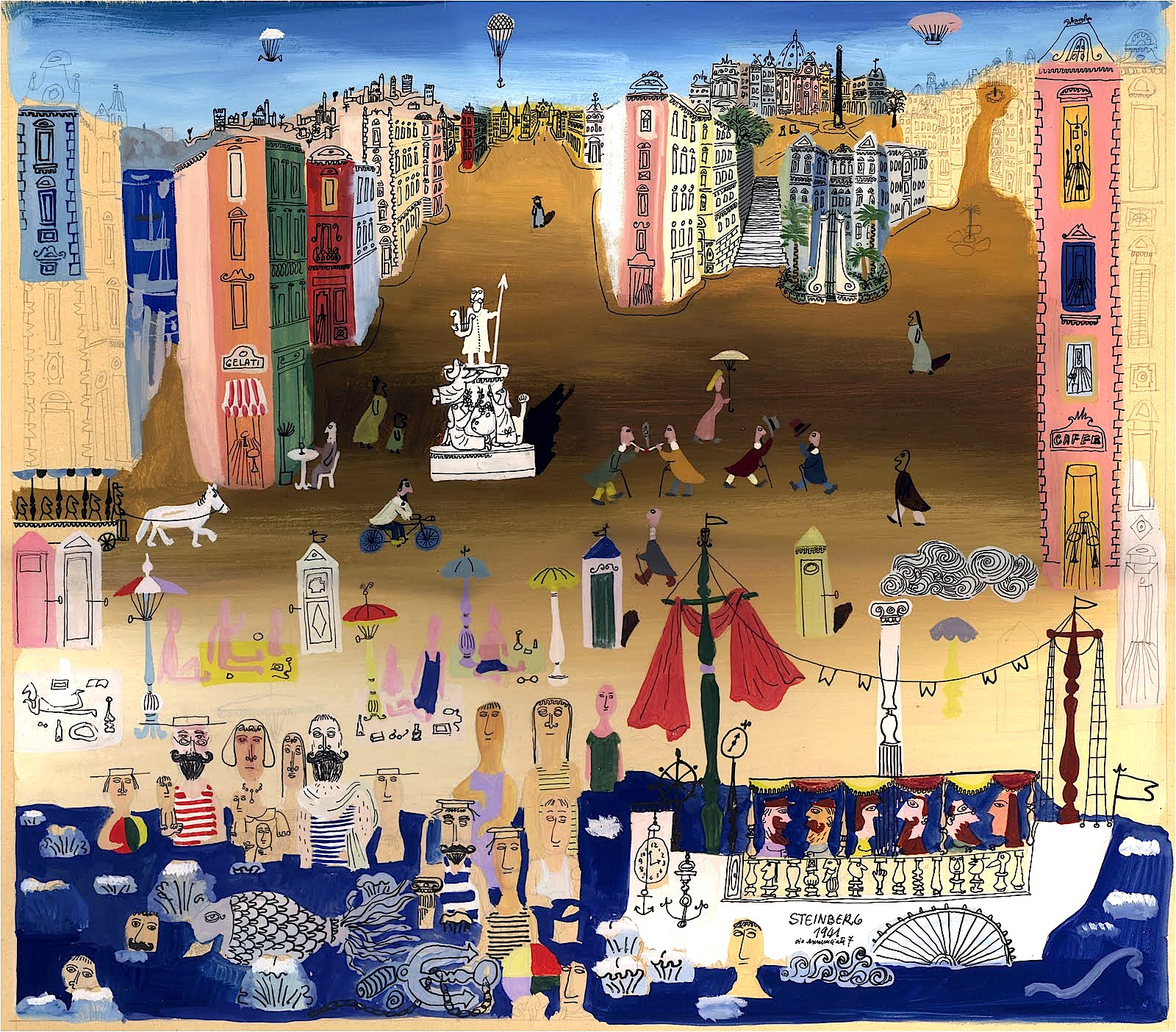
Steinberg before STEINBERG
Lecture by Mario Tedeschini Lalli, Rome (Italy)ONLINE VA, United StatesIn this presentation Mario Tedeschini Lalli, Italian journalist and scholar of 20th century history, tells the story of Saul Steinberg, before he became STEINBERG, the majuscules with which he signed his name to the art most people know, using some of his public art, some of his clandestine art, some of his personal art and - yes – some of his top secret art. Image above: Saul Steinberg, Seaside, 1941. © The Saul Steinberg Foundation/Artists Rights Society (ARS) New York The art of Saul Steinberg (1914-1999) was arguably one of the most recognizable for the US public from the mid-1940s until his death in 1999. Much of Steinberg’s best-known work appeared in magazines such as [...]
Free -
-

From Auschwitz to Hollywood: Jack Garfein, “THE WILD ONE”
Film Screening and Conversation with French producer Chantal PerrinONLINE VA, United StatesTHE WILD ONE illuminates the journey of unsung artist Jack Garfein (1930-2019) - Holocaust survivor, celebrated Broadway director, Actors Studio West co-founder, and controversial filmmaker. The film examines how his experience in Nazi concentration camps shaped his vision of acting as a survival mechanism and propelled his engagement with themes of violence, power, and racism in postwar America in two explosive films: THE STRANGE ONE (1957) and SOMETHING WILD (1961). THE WILD ONE explores the importance of his legacy as an artist who confronted censorship and reveals how art can draw on personal memory to better enlighten our present. Image above: Photo of Jack Garfein. Courtesy of Petite Maison Production WATCH THE TRAILER: [...]
Free